

Our ten-day journey through Andalusia took us from the sunny shores of Málaga and the Costa del Sol, through the grandeur of Granada and the vibrant energy of Seville, to whitewashed villages and the enchanting town of Ronda. Along the way, landscapes alternated between sea and mountains, stone-paved streets and grand squares, the tranquillity of small towns and the energy of cities that live from morning until late at night.
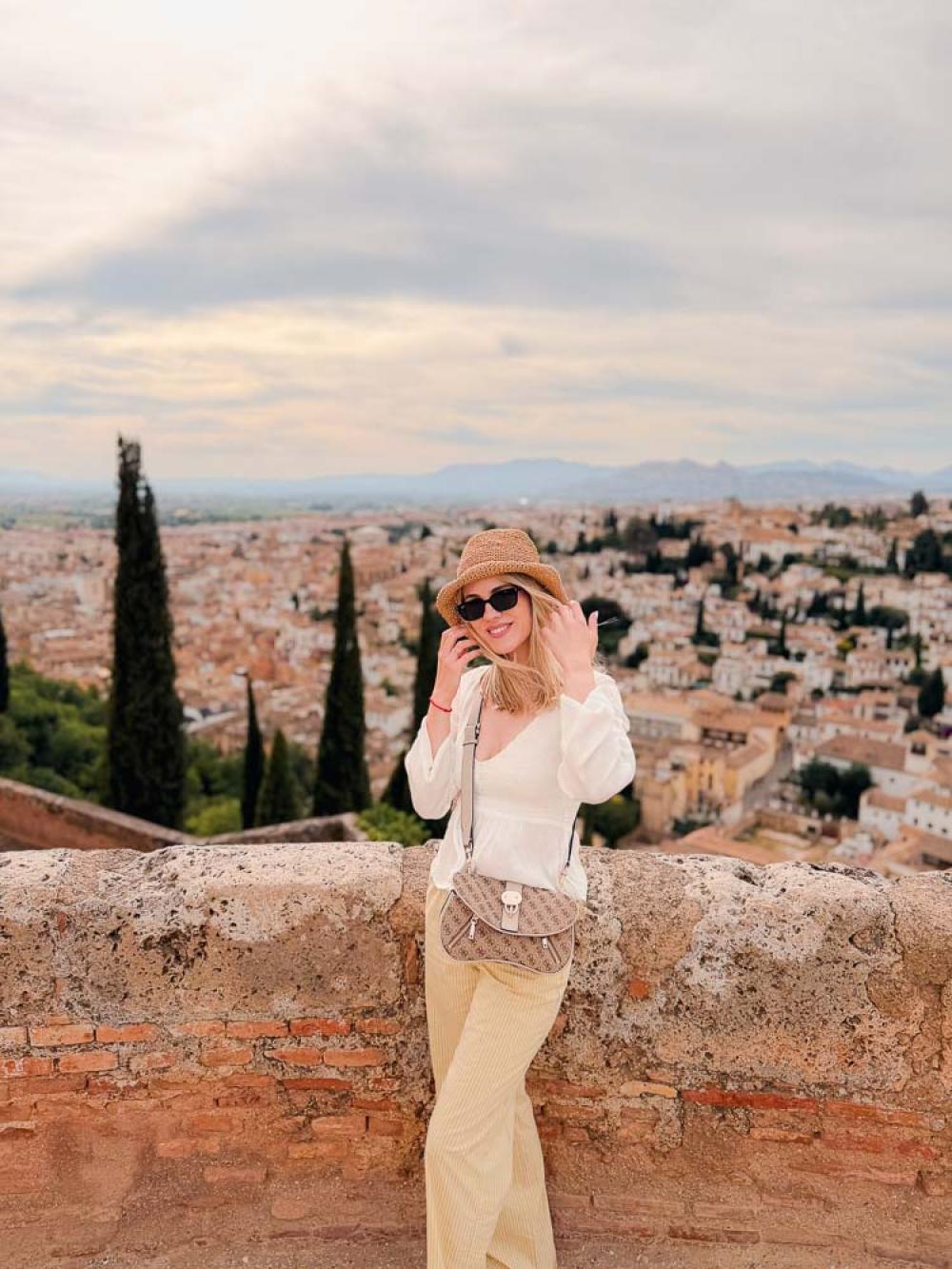
Andalusia is exactly that—lively and gentle, historic and youthful, filled with colour, flavour, music, and breathtaking views. Although each destination had its own unique atmosphere, they all shared the same impression: in southern Spain, life is lived outdoors—in squares, tapas bars, along rivers and by the sea, through long days and evenings that begin late.
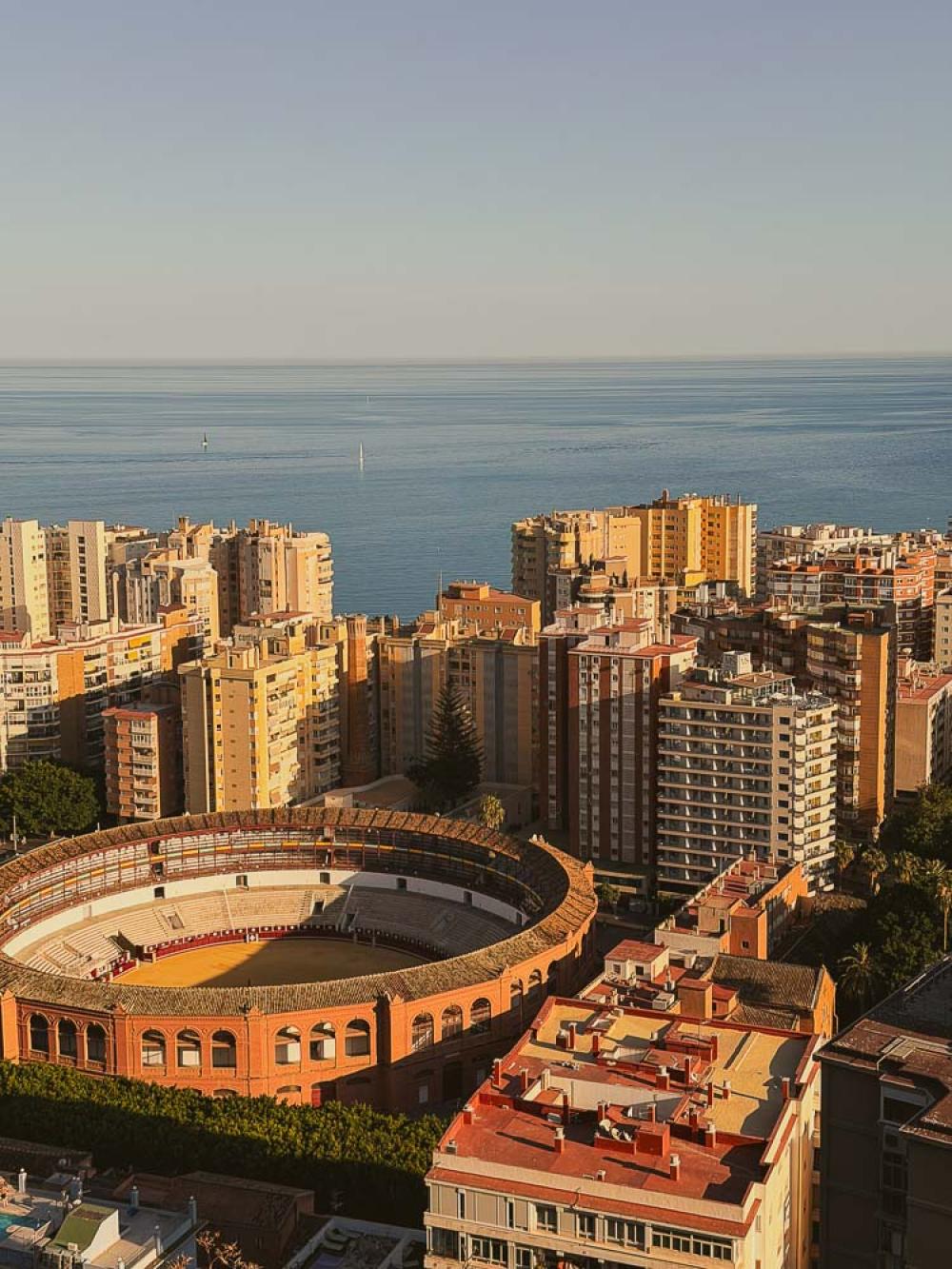
We began our journey in Málaga, our first encounter with the rhythm of Andalusia. Two days were enough to feel the vibrancy of this city. One of the highlights was the Alcazaba, the fortress overlooking the city that continues towards Gibralfaro. From above, one of the most beautiful views of Málaga unfolds, combining the sea, rooftops and palm trees in a single frame.
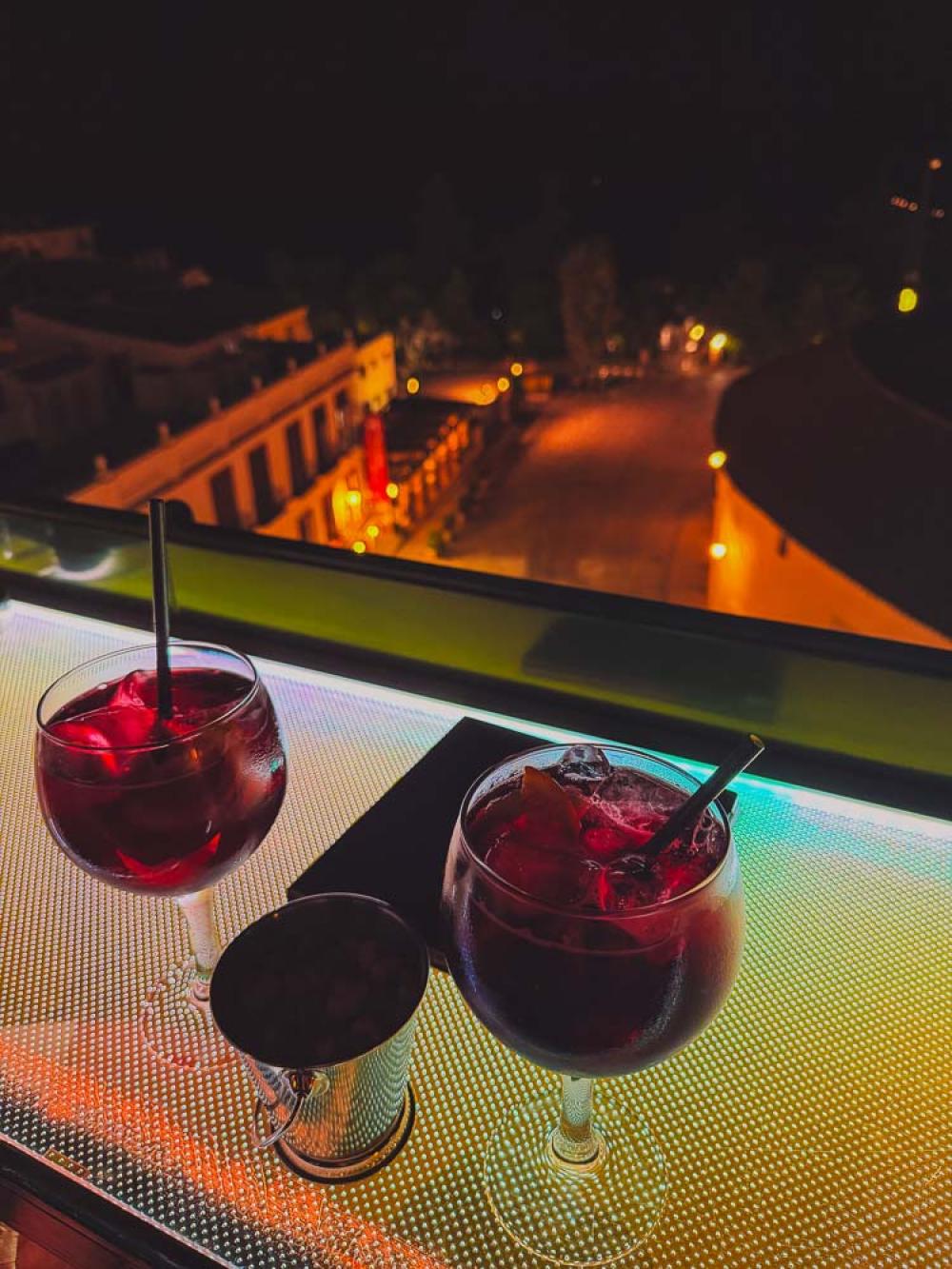
We also discovered the city through its cuisine. Sangria and tapas quickly introduced us to the Andalusian lifestyle, and it became clear that this journey would have its own gastronomic map.
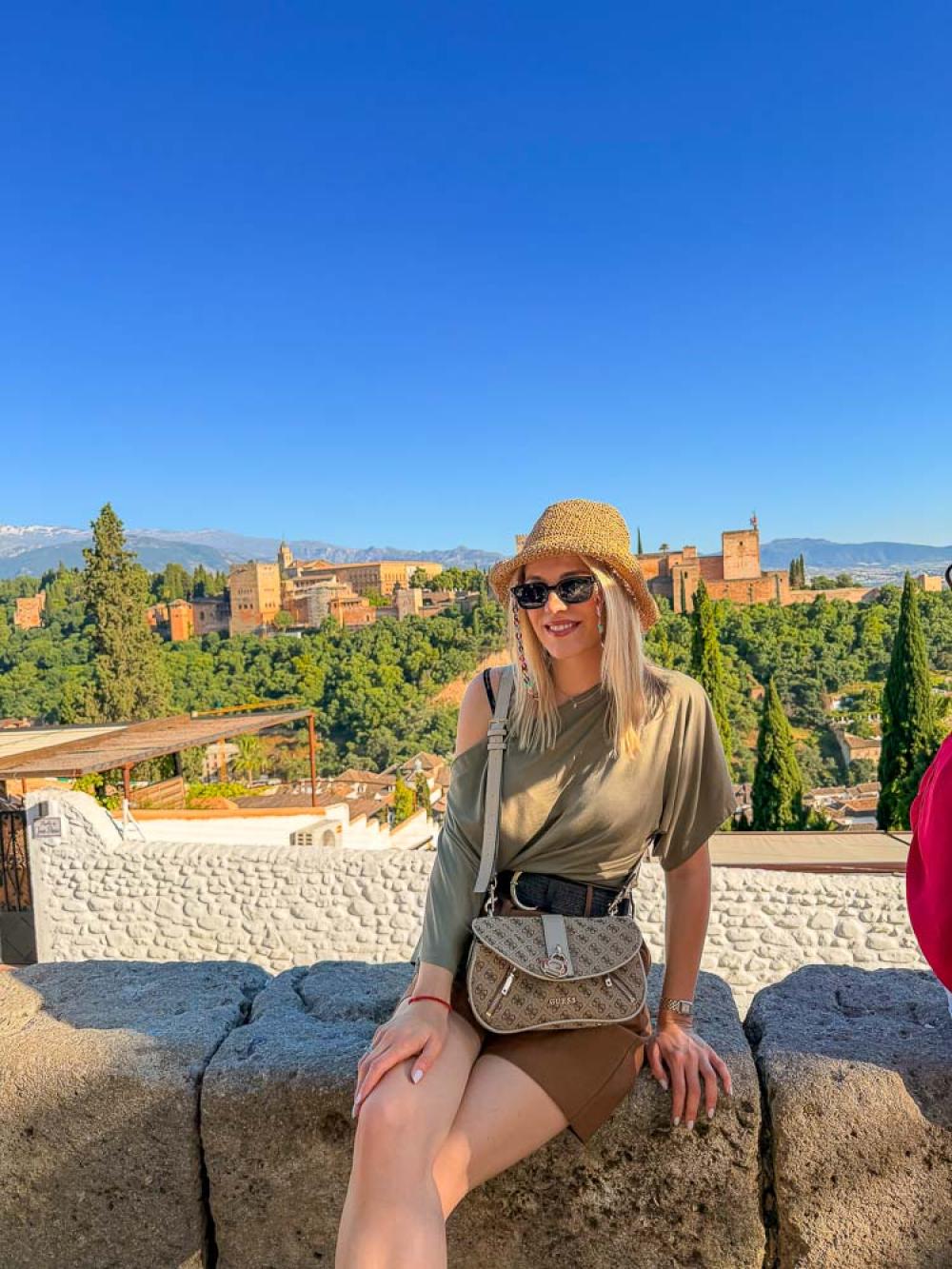
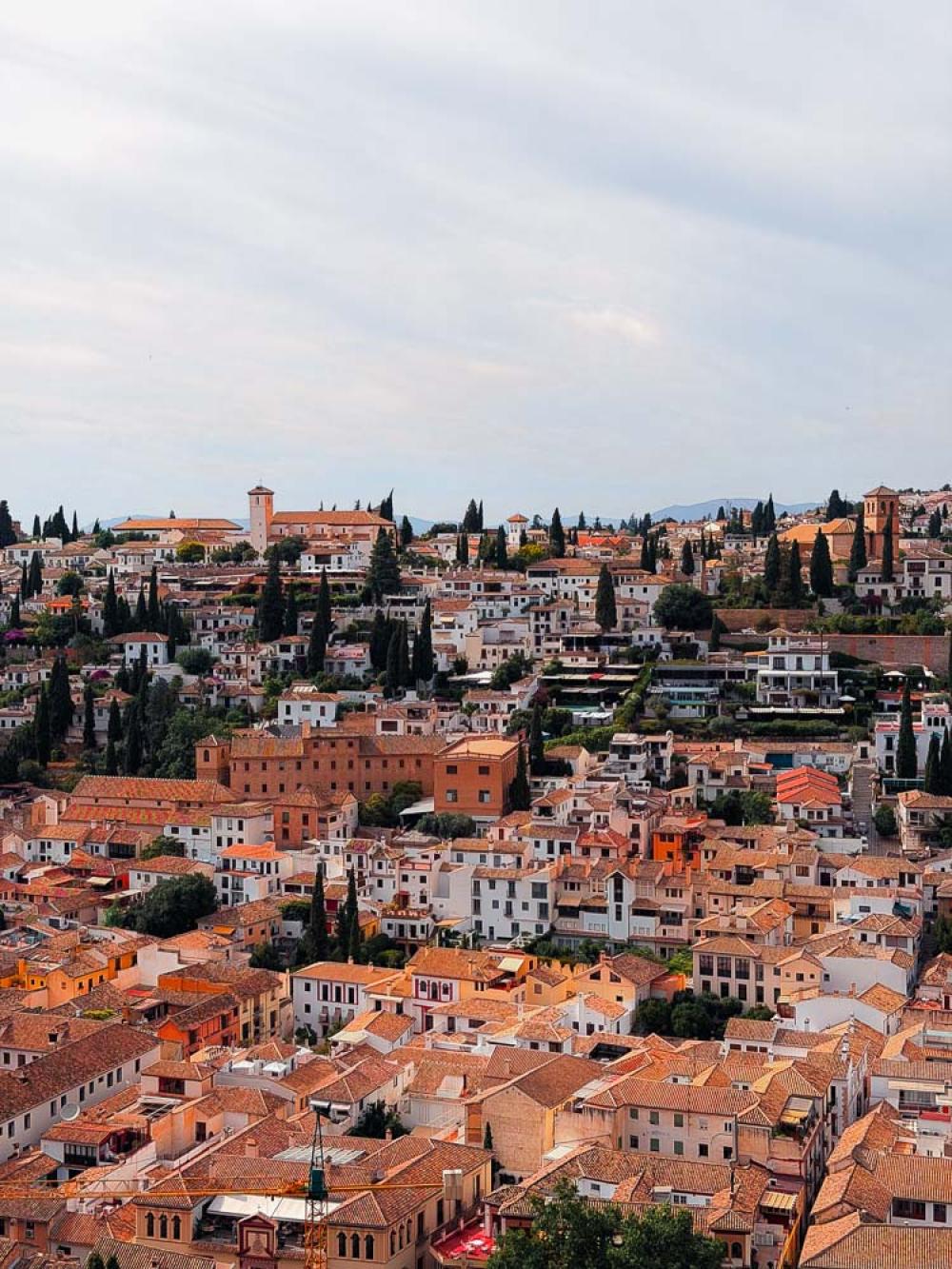
From Málaga, we continued by rental car to Granada, where the central experience was a visit to the Alhambra—a place that is difficult to describe in words. Courtyards, intricate ornaments, arches, water features, the gardens of Generalife, and views that constantly change and seem almost unreal. A particularly memorable moment was seeing the Alhambra from Albaicín, at the Mirador de San Nicolás, where, at sunset, it reveals its most iconic image with the Sierra Nevada mountains in the background.
From Granada, we took a day trip to Córdoba, where we were captivated by the Roman Bridge, followed by the old town with its narrow streets, terraces, façades and charming little squares that seem to tell their own stories.
From Vibrant Squares to Stone-Paved Streets
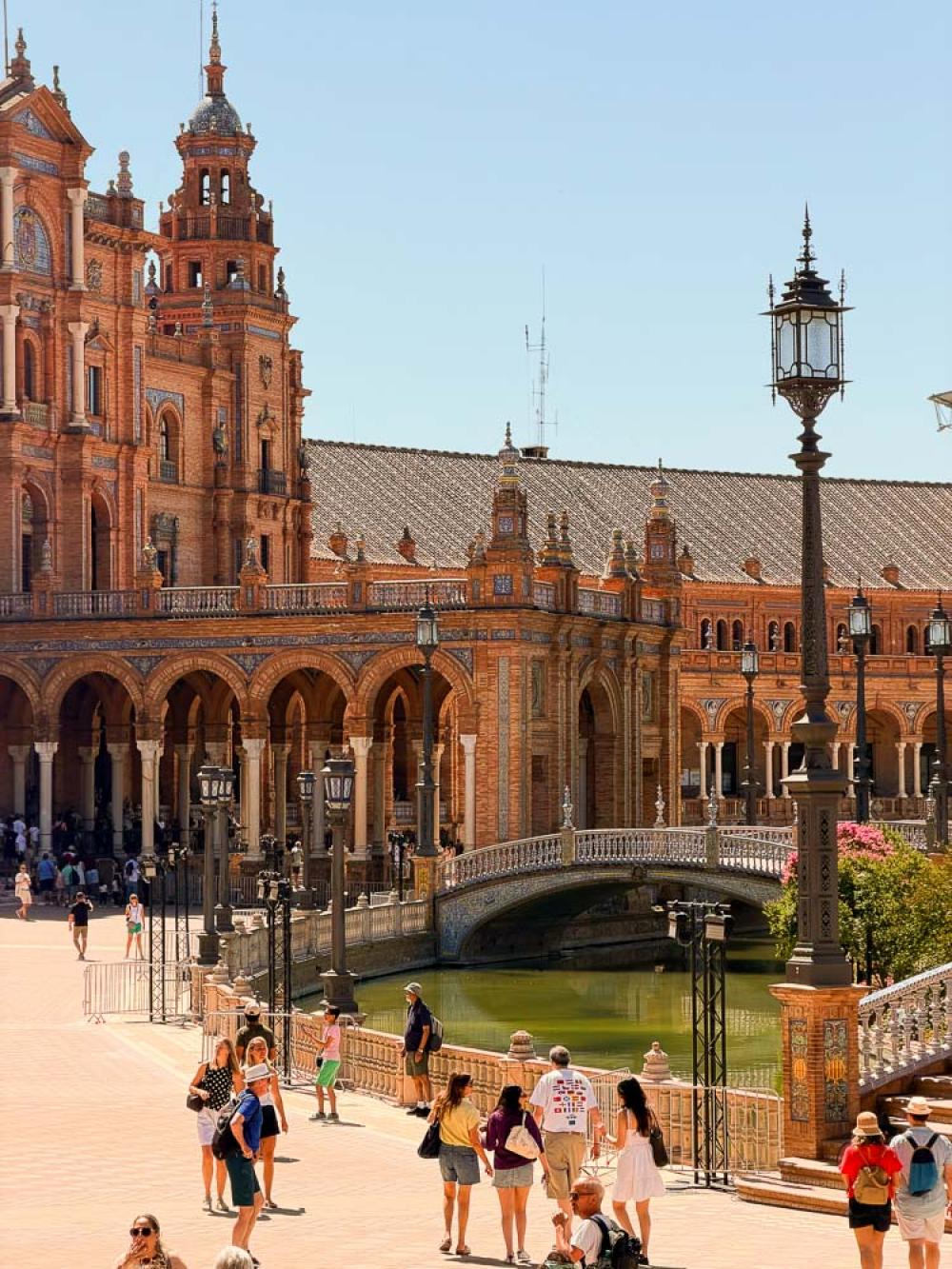
After Córdoba, we arrived in Seville, and Plaza de España was the first place we visited. This semi-circular square, with its canals, bridges, ceramics and monumental architecture, was crowded with tourists, yet the atmosphere never felt overwhelming. In such a magnificent space, everyone finds their own corner.
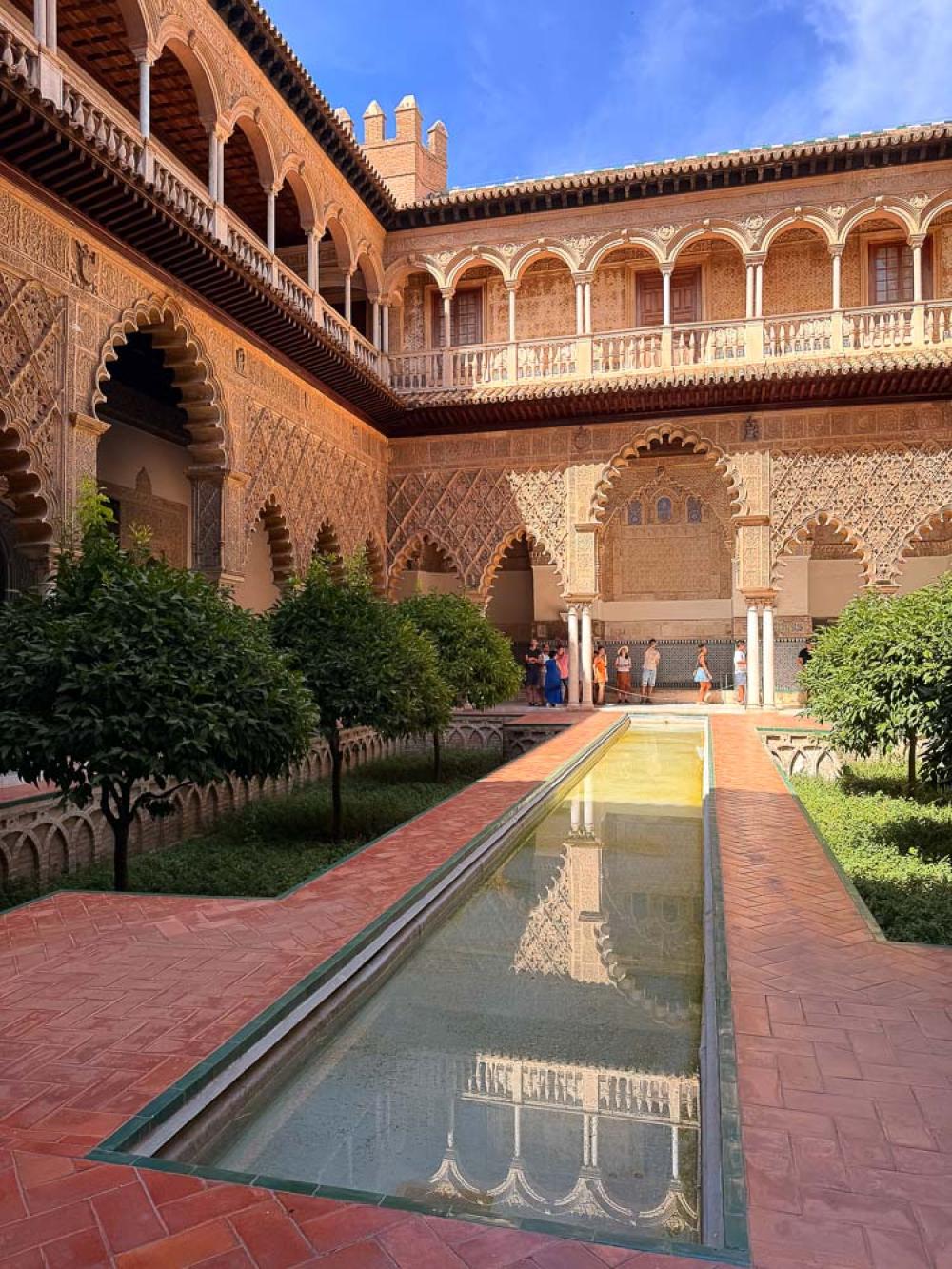
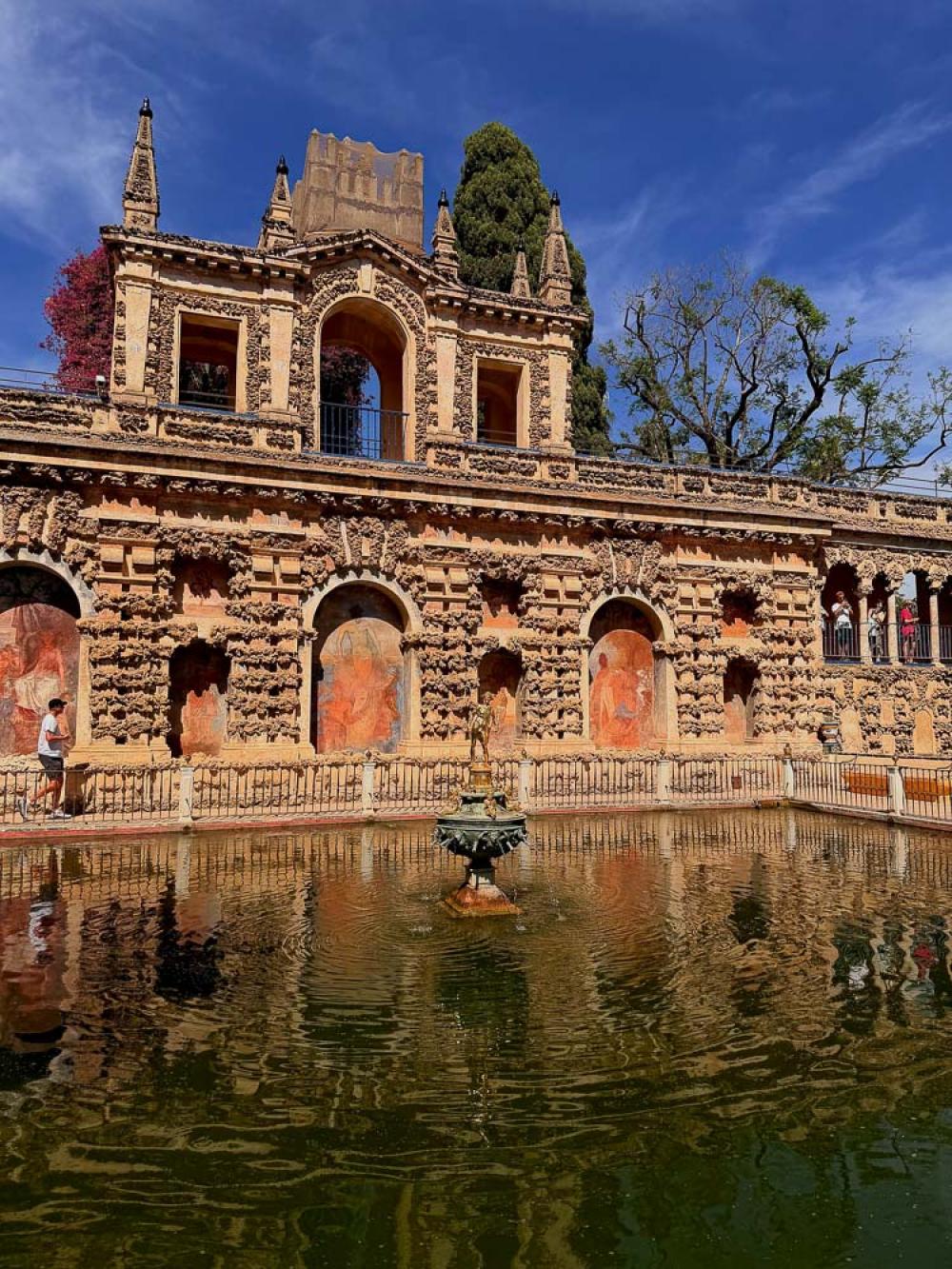
Next came the Real Alcázar, a complex of palaces and gardens where shade, water, intricate details and peaceful courtyards alternate seamlessly. The blend of Arab, Christian and Andalusian heritage makes it one of the most beautiful sites on the entire route.
We also experienced Seville along the Guadalquivir River, strolling along the waterfront, admiring the Torre del Oro, and crossing into Triana, the district known for ceramics, flamenco spirit and tapas bars. Triana revealed another side of Seville—equally vibrant, yet softer and more intimate.
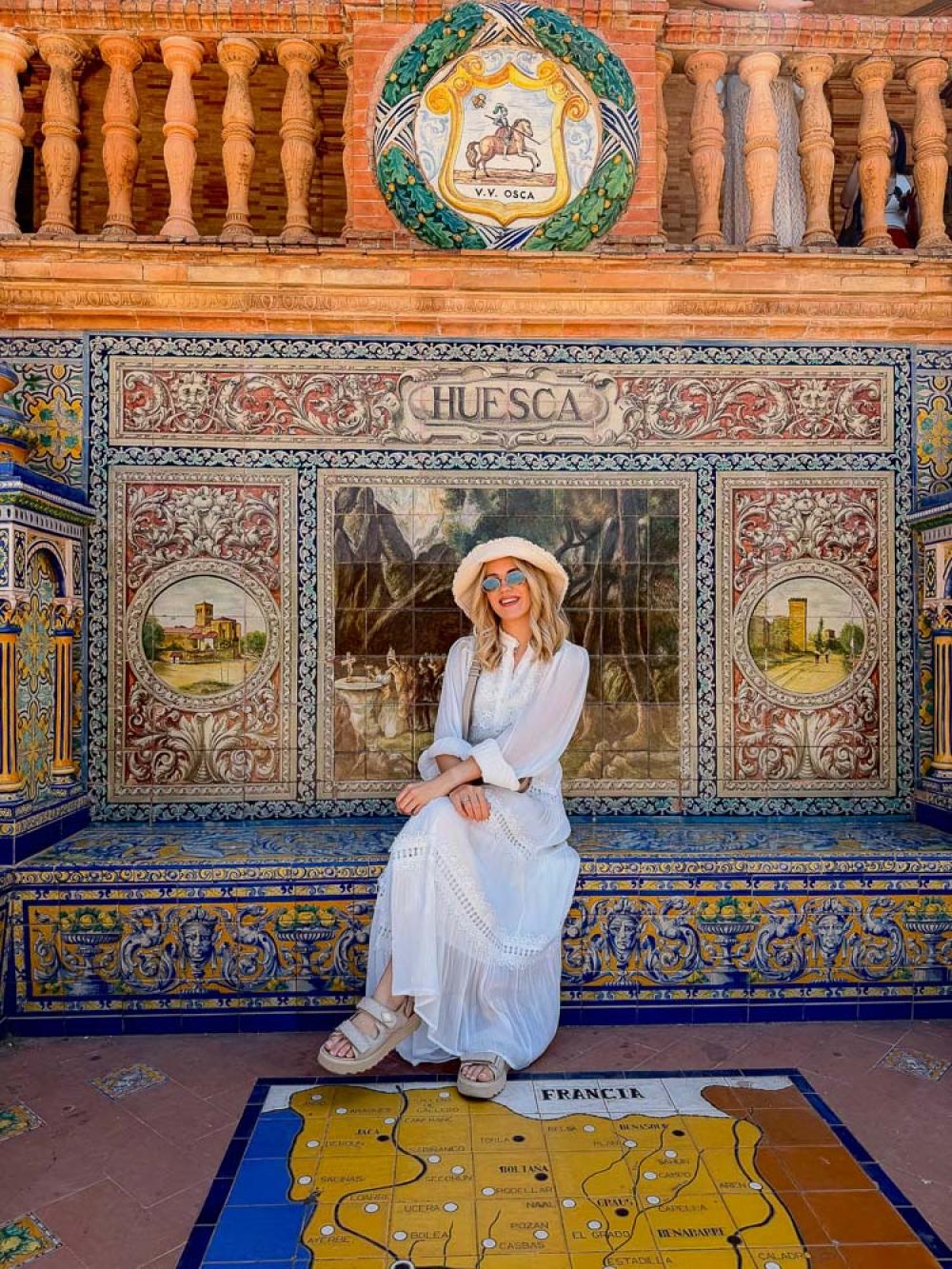
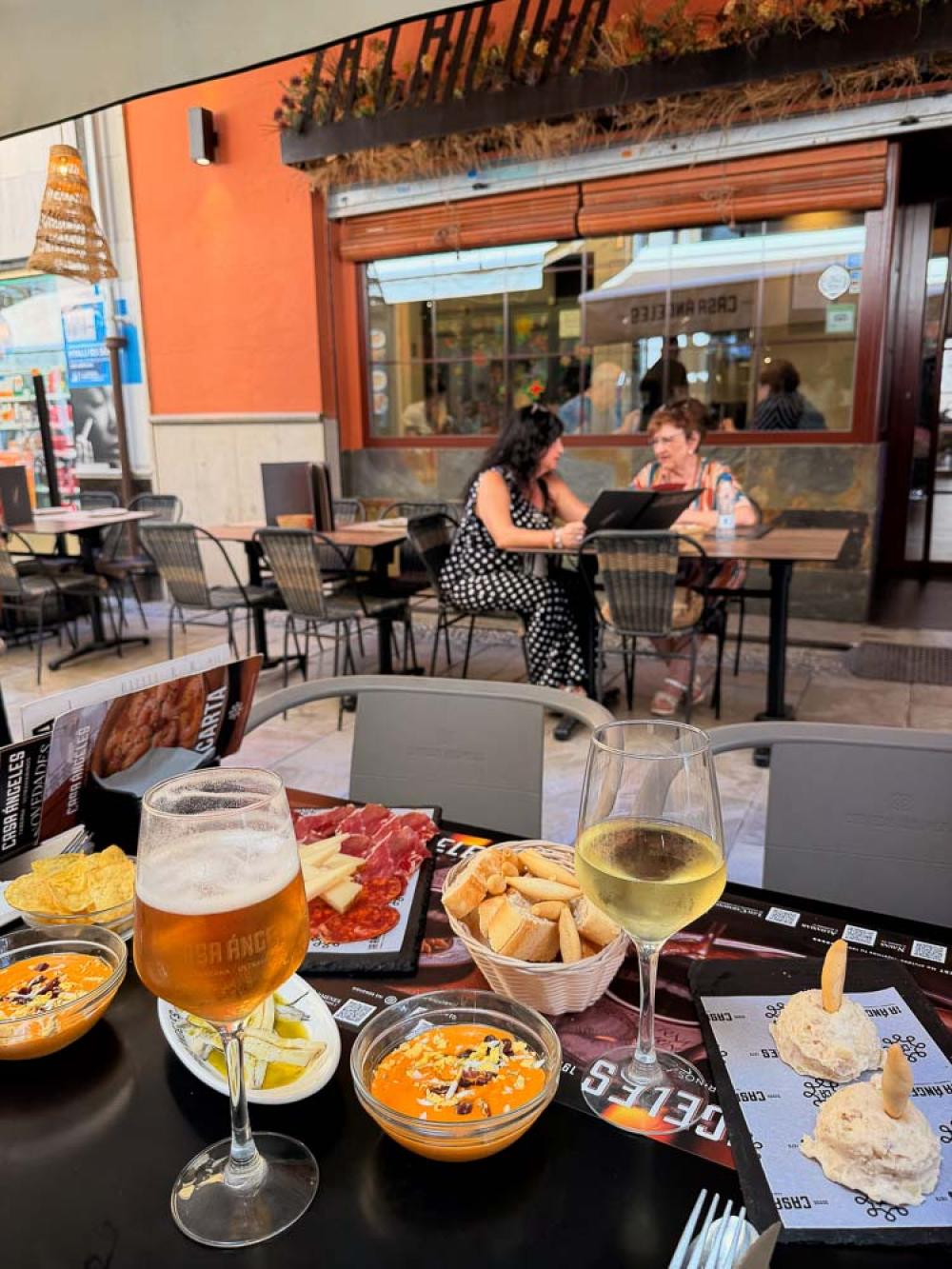
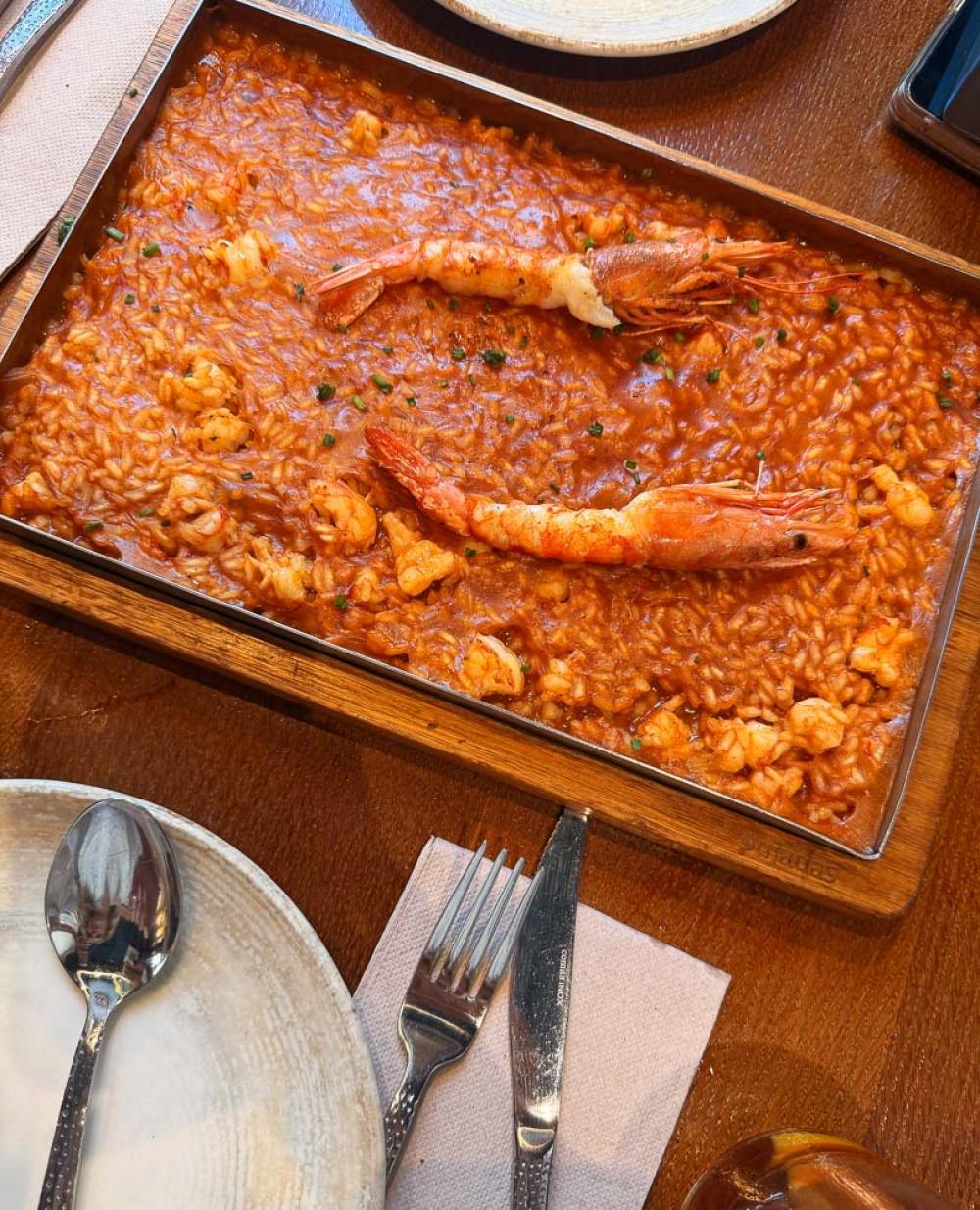
We explored the city’s contemporary side through Las Setas, the giant wooden structure in Plaza de la Encarnación, particularly striking in the evening. Seville also introduced us to new flavours: rebujito, a refreshing drink made with sherry and sparkling lemonade, and paella, the famous Spanish rice dish prepared with vegetables, meat or seafood.
We then dedicated a day to the White Villages, the quieter side of Andalusia. Our first stop was Arcos de la Frontera, perched high above the landscape, with white houses, narrow streets and extraordinary views. We continued to Zahara de la Sierra, where we encountered a festive atmosphere, with streets decorated with greenery, grass and aromatic herbs. Our third stop was Setenil de las Bodegas, which, unlike other white villages built along hillsides, is nestled directly into the rock itself. From Seville to the White Villages, Andalusia constantly changes its rhythm—from lively squares full of life to stone streets where time seems to flow more slowly.
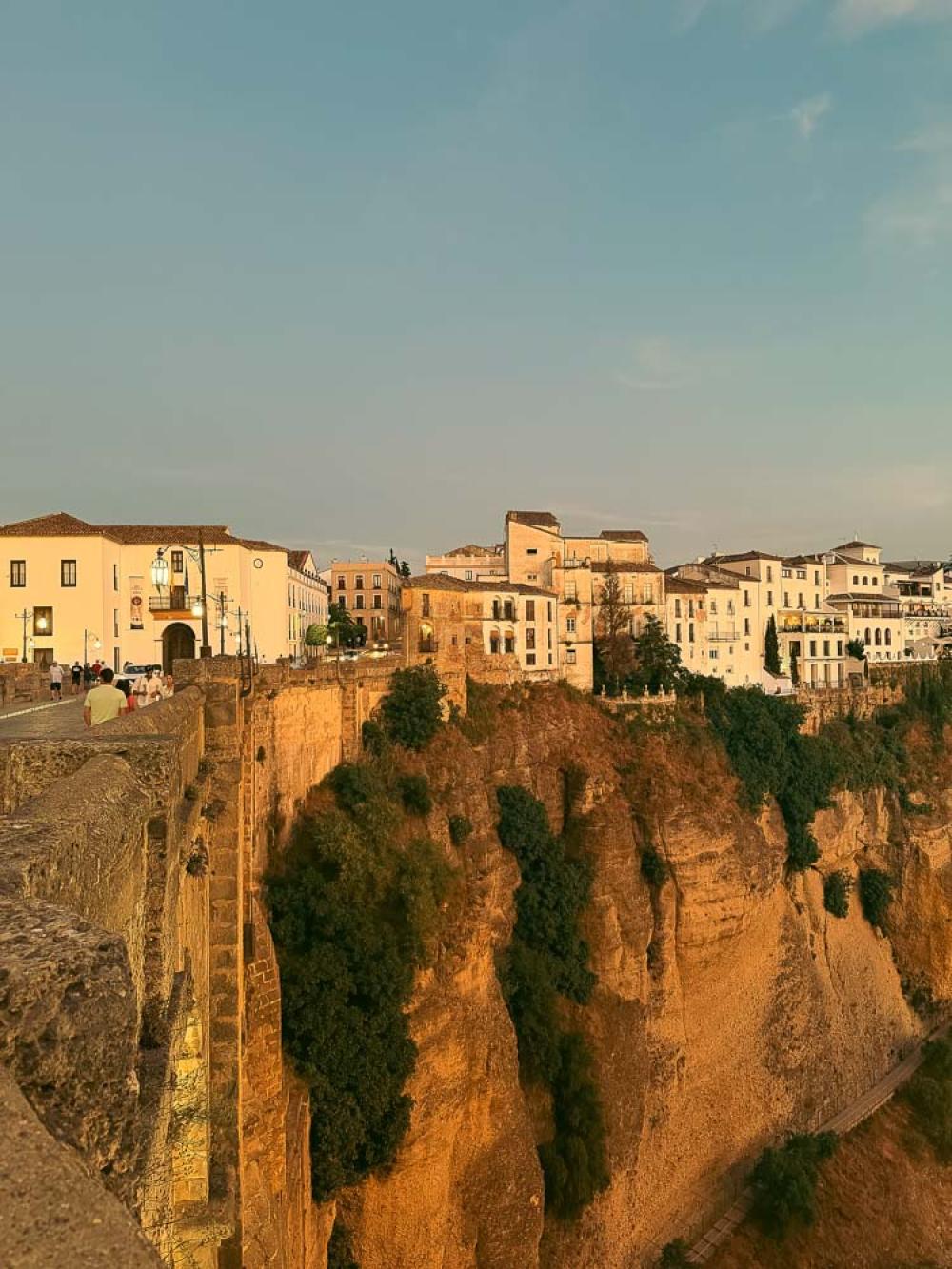
After the White Villages, we arrived in Ronda, a city that leaves a lasting impression from the very first glance. Perched high above the El Tajo gorge, with houses balanced on the edge of dramatic cliffs and the famous Puente Nuevo connecting the two sides of the town, Ronda is one of the most striking places in Andalusia. We will remember Ronda as the city on the cliff, with views that truly take your breath away.
We ended our journey on the Costa del Sol, in Estepona, which came as the perfect retreat after days spent exploring cities, fortresses and long roads. Its old town, with whitewashed streets, colourful flower pots, blooming plants and small squares, has a slower rhythm and the charm of a place where the day ends with a leisurely walk, dinner and a drink outdoors.
We also visited Marbella and Puerto Banús, the more glamorous face of the coast, known for its marina, luxury yachts, restaurants and designer boutiques. Before returning to Málaga, we briefly stopped in Fuengirola and Torremolinos, enjoying their promenades, beaches and relaxed coastal atmosphere, which brought our Andalusian circle to a close. From the dramatic cliffs of Ronda to the peaceful towns of the Costa del Sol, the end of the journey revealed yet another face of Andalusia—dramatic, sun-drenched and forever connected to the sea.
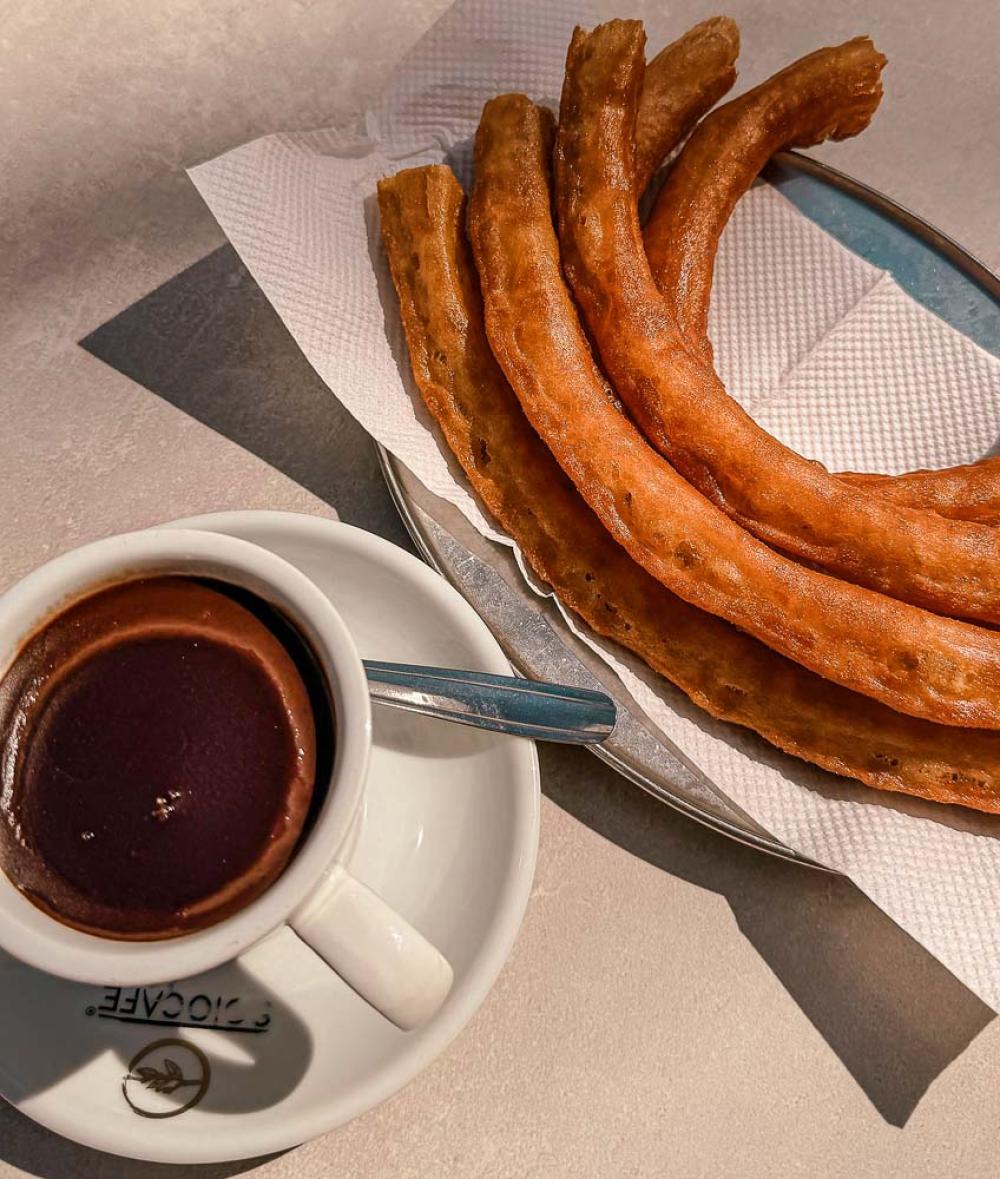
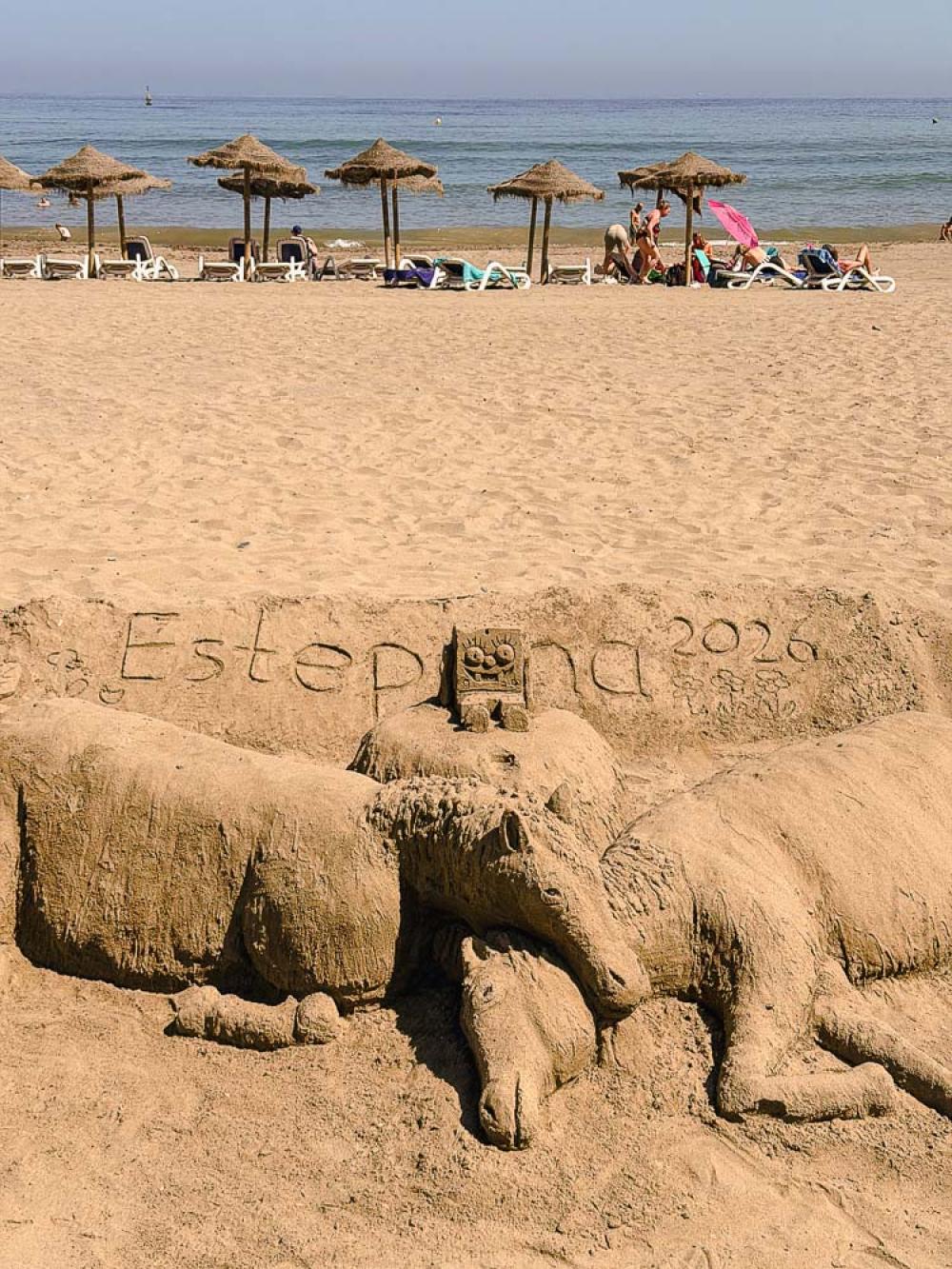
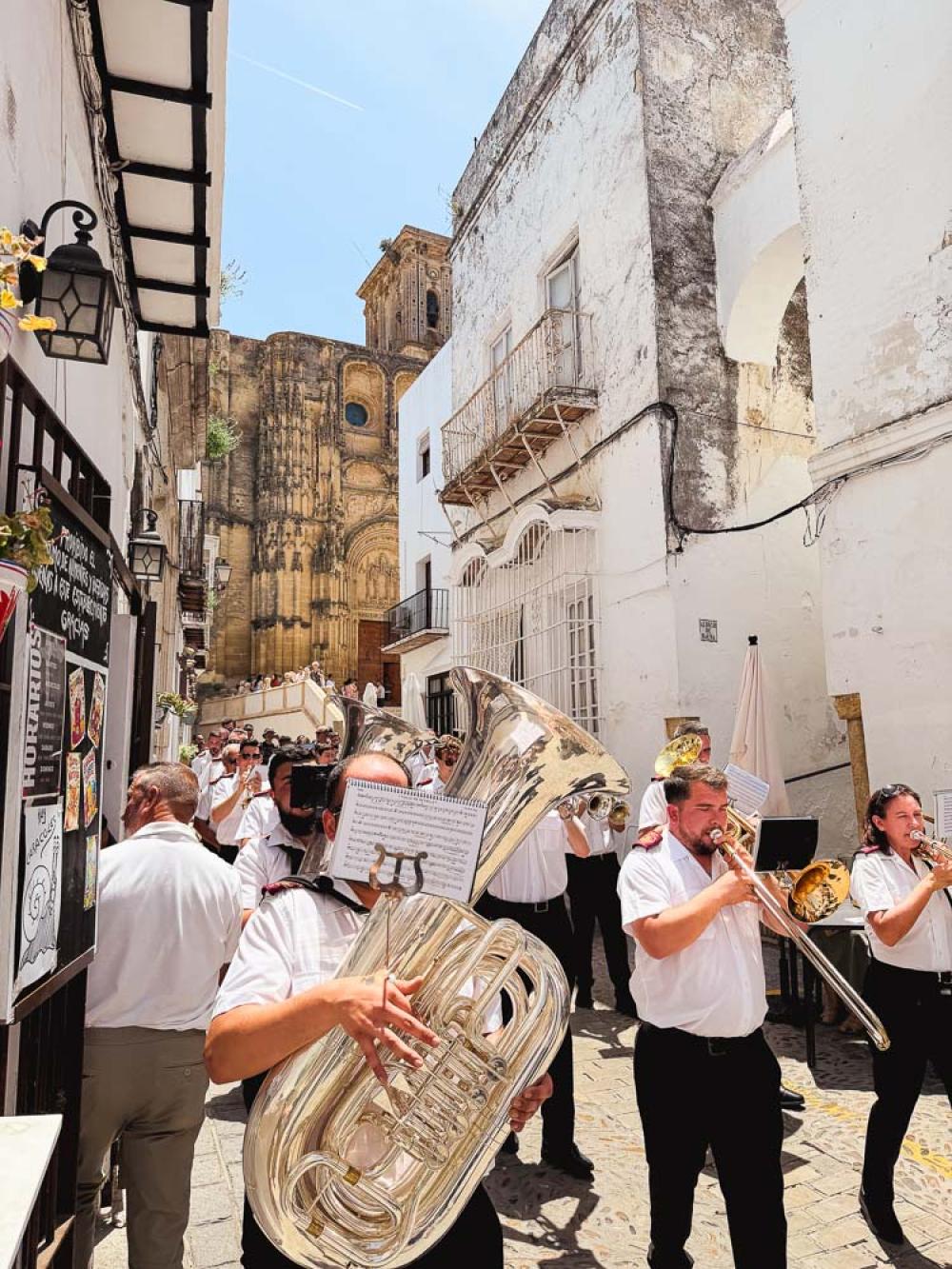
We will remember Andalusia as a combination of everything that makes travel special: magical views, beautiful colours, exceptional food and cities with soul.
We will remember it for the Alhambra, Seville, the White Villages, Ronda and the scent of the sea along the Costa del Sol, but also for the small moments—a glass of sangria, a plate of tapas and evenings that stretched on without any particular plan. Ten days were enough to see a great deal, but not enough to grow tired of that southern rhythm, its ease and its unmistakable feeling that life there is truly lived loudly, warmly and with a full heart.





.jpg)