


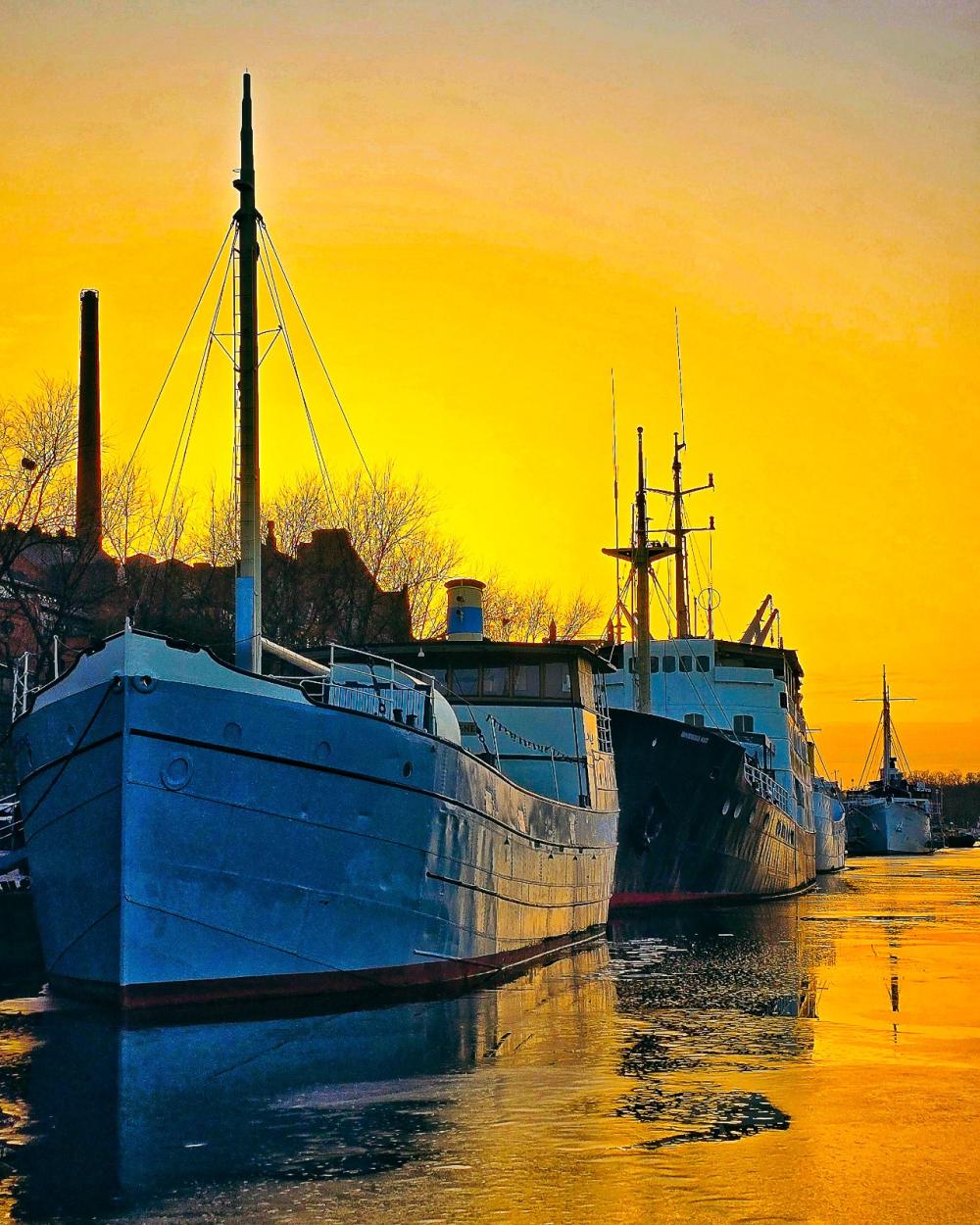
While my little boat sailed, I was standing on the bow, like some old captain and I enjoyed a wonderful day. I was not bothered by the wind or cold… I felt the freedom and with all my senses I was absorbing the energy emitted by Stockholm archipelago.
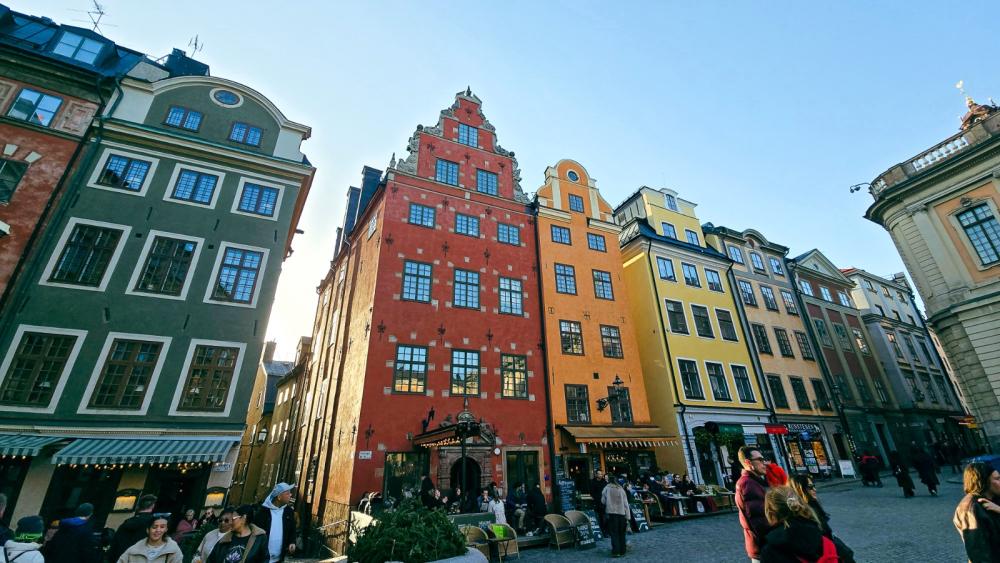
Stockholm is unobtrusive and quiet, but it quickly gets under your skin. For four days, I wandered alone among its fourteen islands, crossed the bridges that connect them, and I sailed on board little boats through the canals of the “Venice of the North”. Scandinavian proverbial moderation, order, harmony and measure are present in every segment of life.
I have wanted to visit this city ever since my childhood. I remember it from the stories of my uncle Mašan who was coming here on several occasions for temporary work abroad as it used to called. Later on, I read fantastic travelogues written by Zuvdija Hodžić who wrote in a magical way about the days spent in Sweden’s capital city.
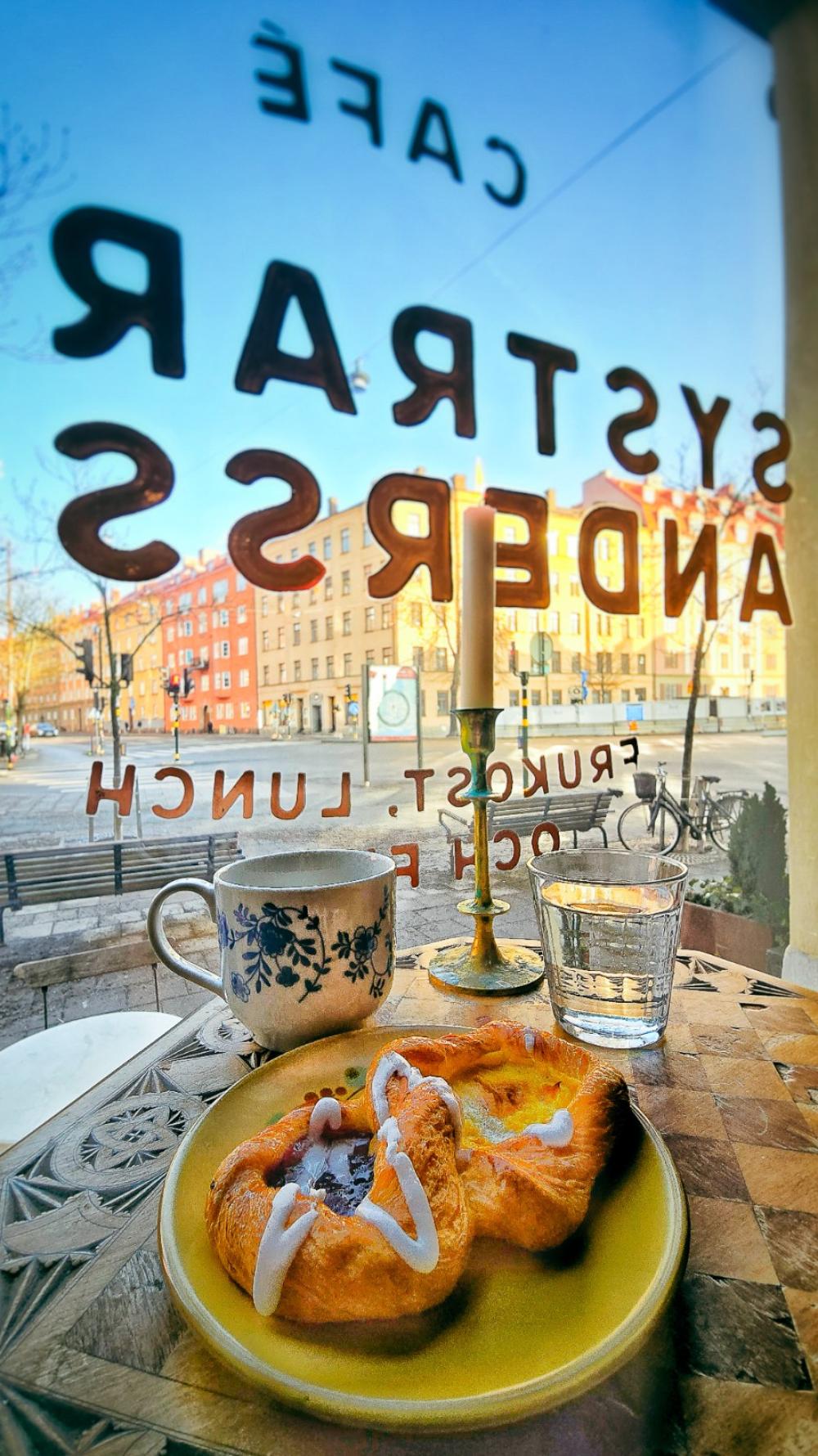
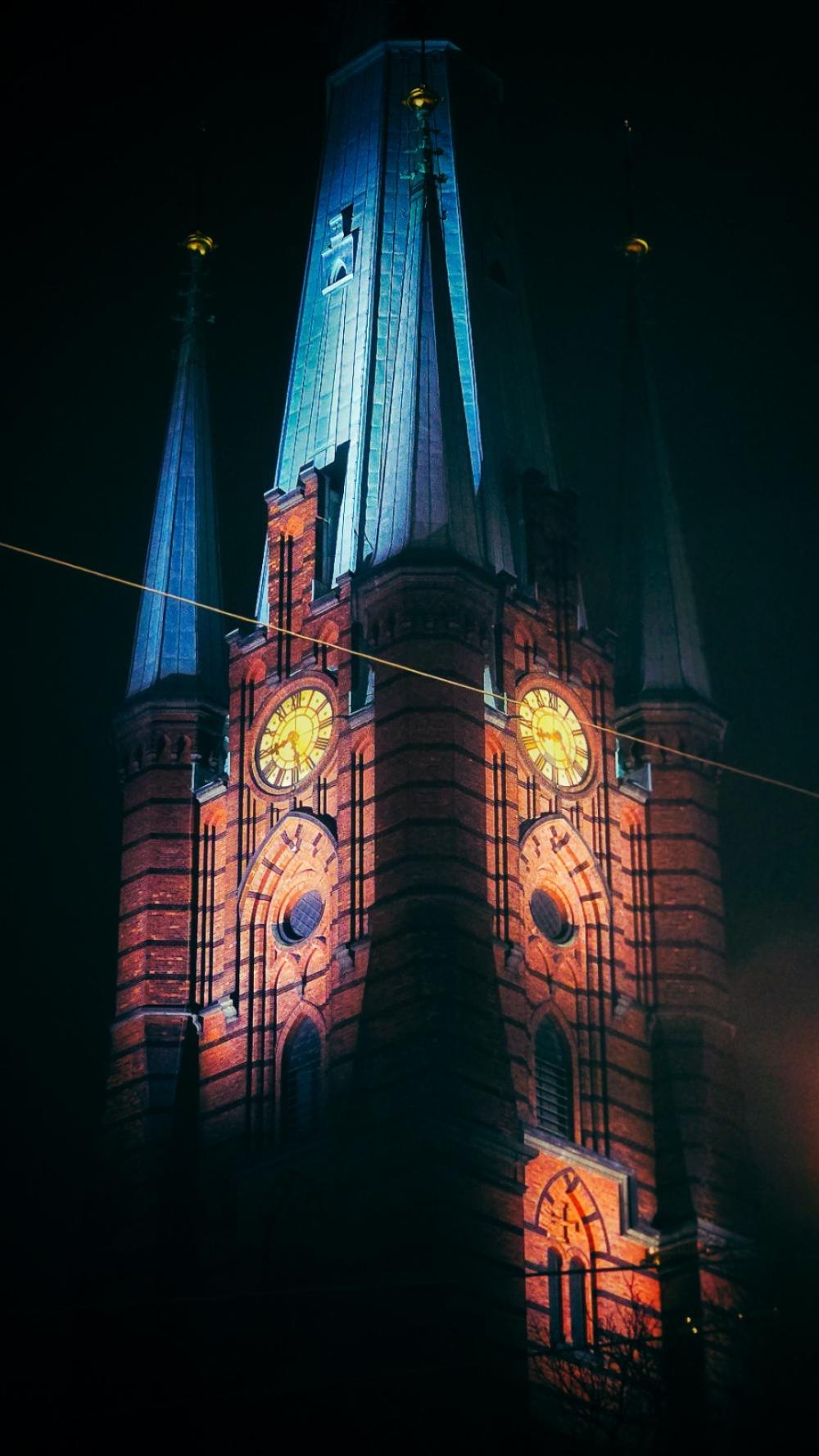
On the first morning I understood that no one was in a hurry there. People drink coffee as a ritual, not as a need. “Fika”, as they say, is not just a break – it is a philosophy of life. Walking along the city centre I saw a group of people queueing up in front of the cafeteria “Vetekatten Kungsgatan”. It was a chilly Sunday morning, and this sight rather stunned me. However, at the sounding of the clock from the nearby clock tower, the door opened and everyone rushed in for a coffee and pastry. Everything smelled of fresh bread, croissants and various other delicacies. “My day started off nicely”, I thought. And it continued like that during my short, yet wonderful stay in the Swedish capital city.
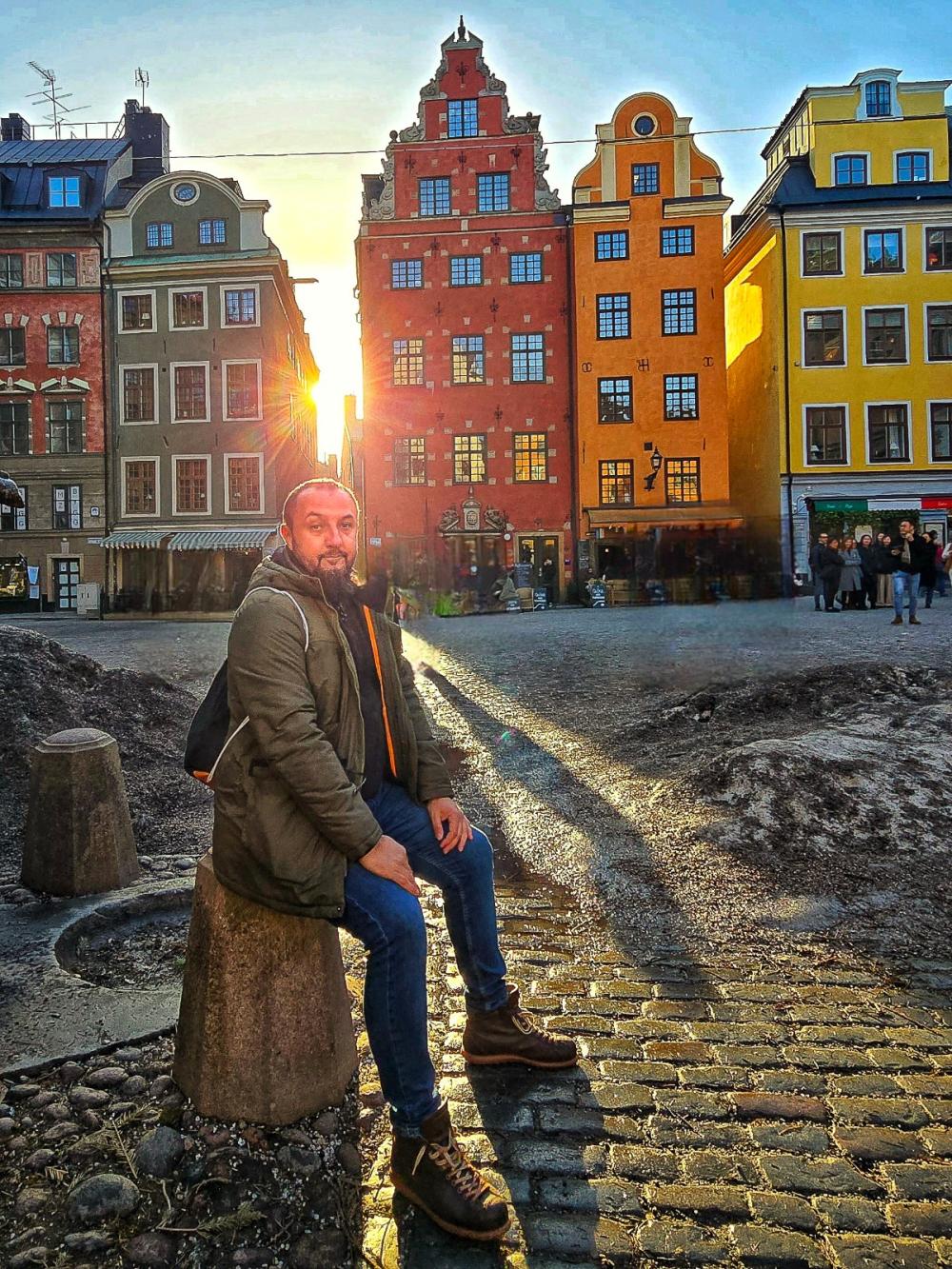
I continued my walk along the magnificent royal palace and I reached Gamla Stan. I was welcomed by old buildings lit by the sun revealing the explosion of all shades of yellow, ochre, orange and red, defying the northern greyness and short days.
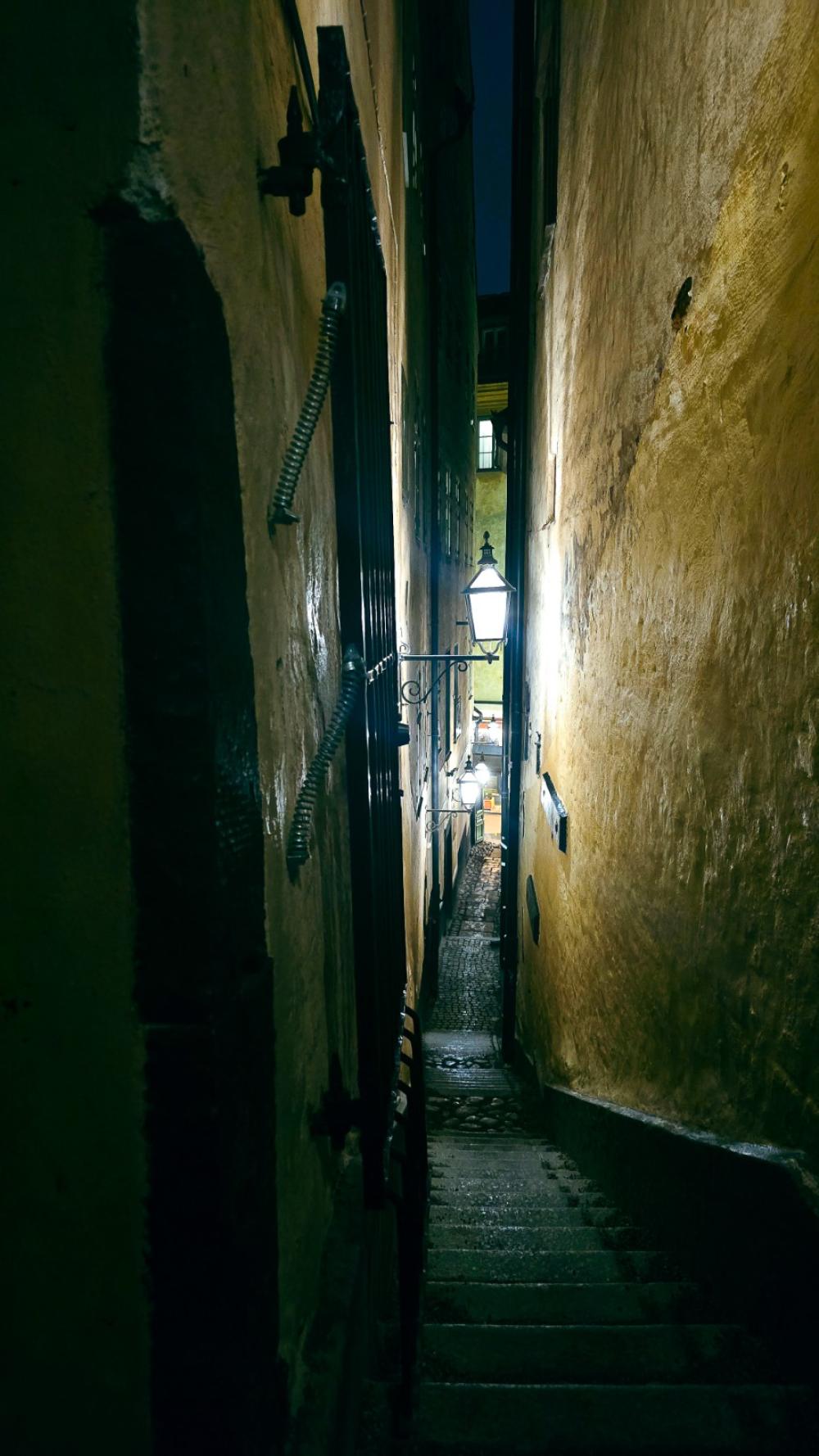
Somewhere in between colourful façades and quiet passages of Gamla Stan, I stumbled upon a street resembling more a fissure than a passage. Mårten Trotzigs gränd – the narrowest line of Stockholm. Wide just enough for a person to pass, without rubbing your shoulder against the walls. At its narrowest section. it is just 90 cm wide, thus passing by is always a situation calling for a little laughter.
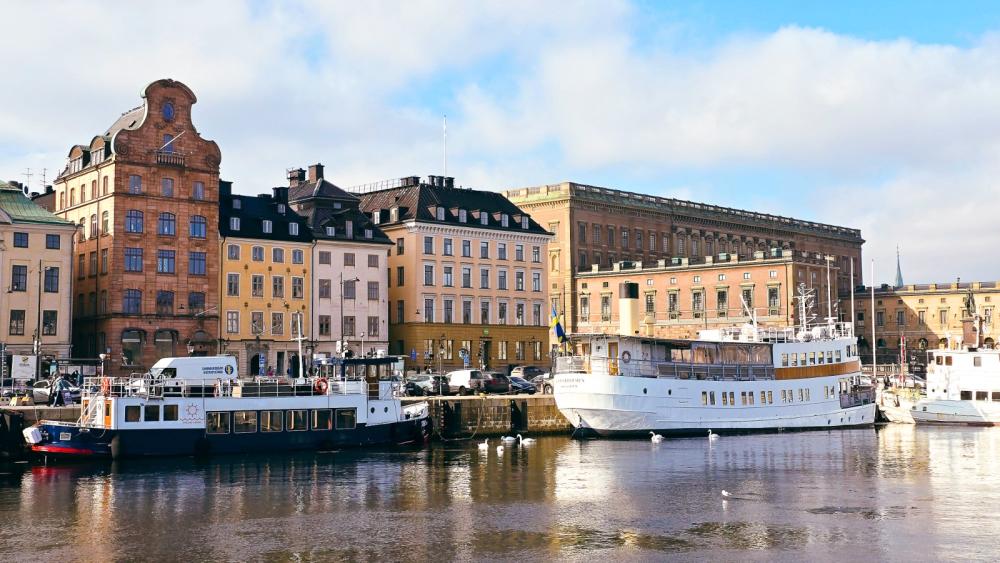
What I was deliughted most about was nature which present everywhere, almost inseparable from the city. The archipelago which surrounds Stockholm is not just a geographical phenomenon – it is the entire world in itself. Thousands of islands, rocks and crags adorned with pine trees, rising up from the water creating landscapes which seem ureal.
I was standing on the bow of the little boat like an old captain and enjoyed the beautiful day. Neither wind nor chill bothered me… With all my senses, I felt the freedom and absorbed the beauty and energy emitted by Stockholm archipelago.
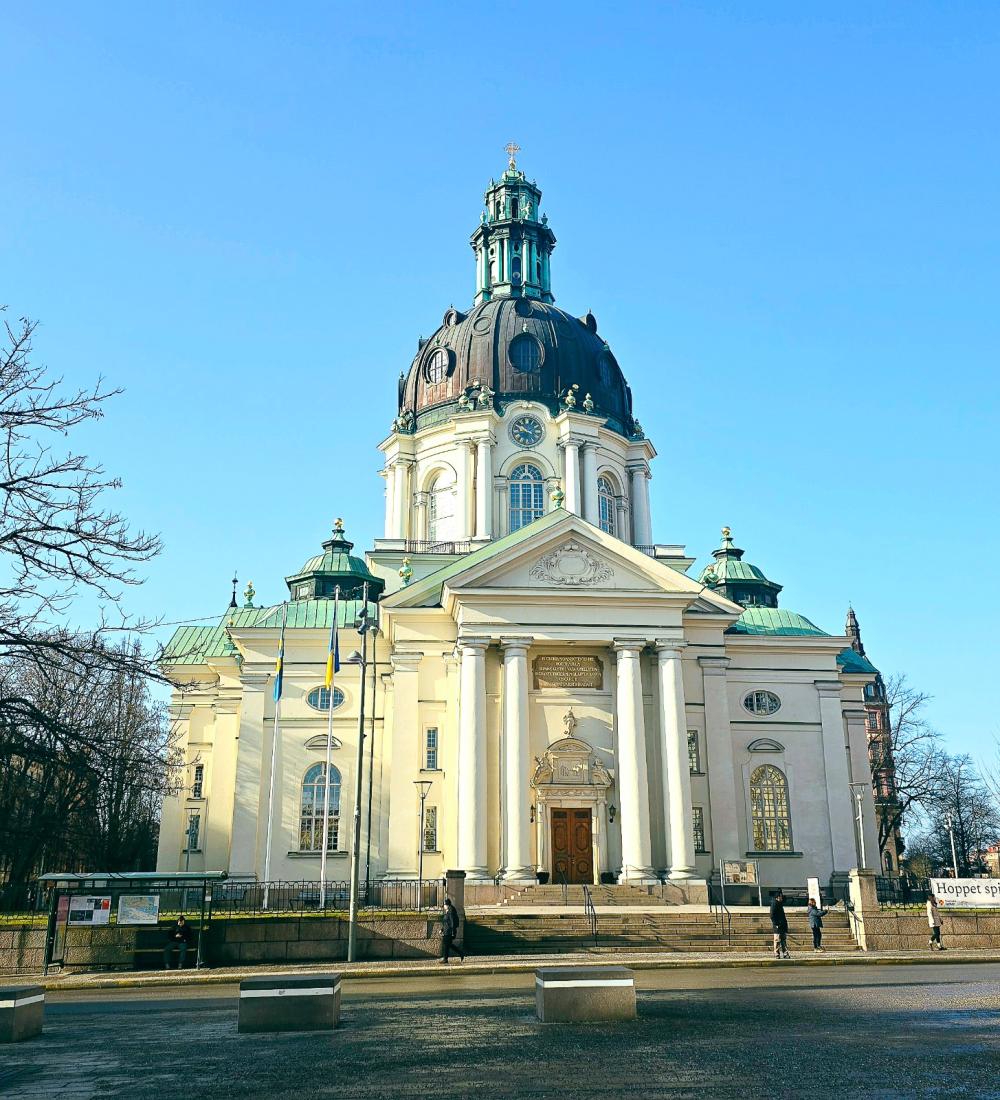
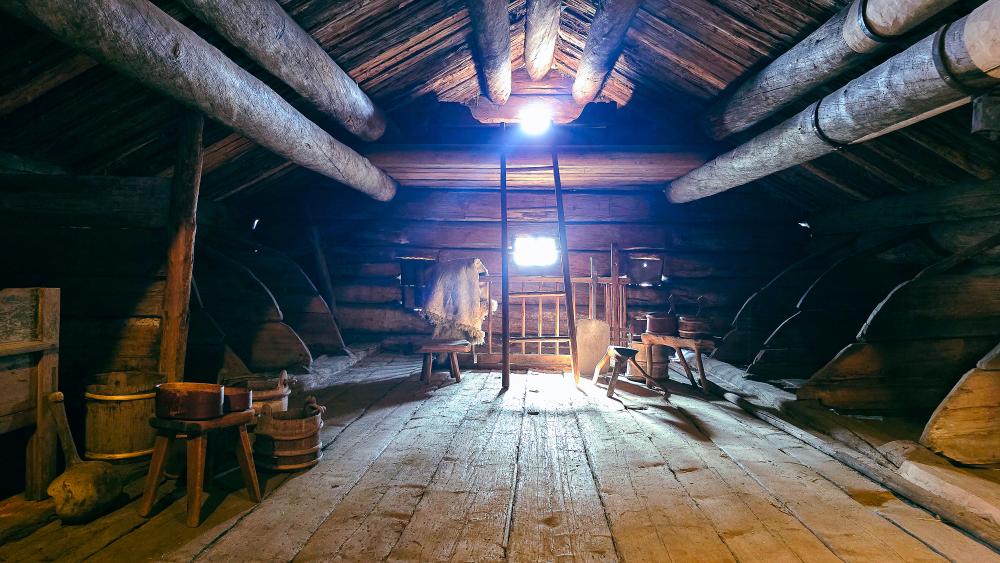
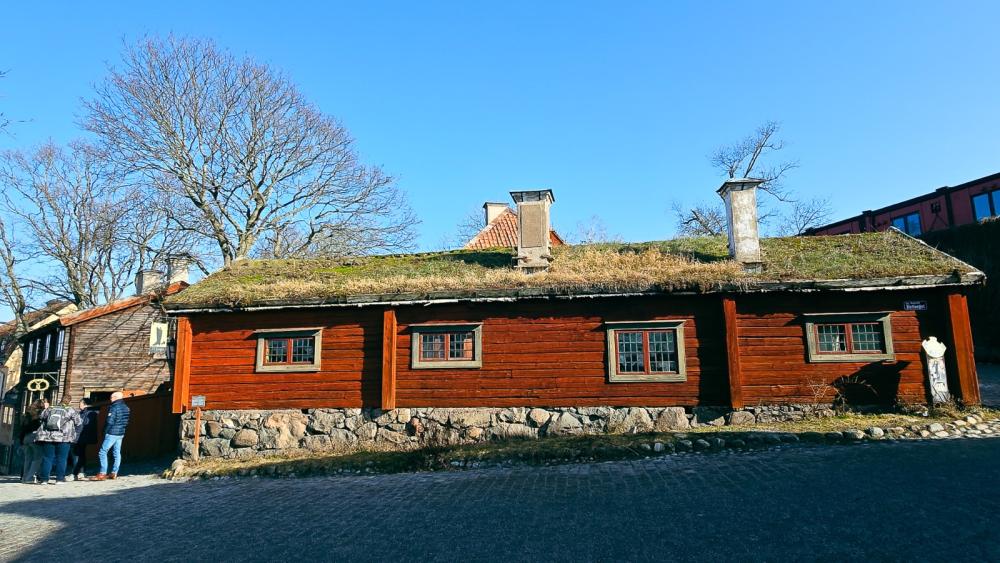
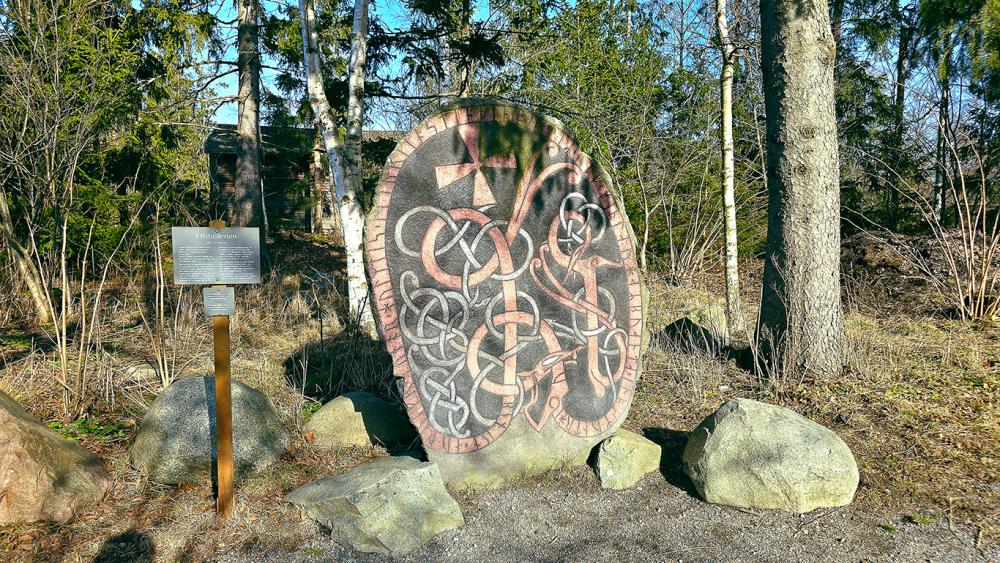
I got off the boat on Djurgården – the island looking like someone decided to pack there everything Sweden is. My day ended in the blink of an eye. The parks, scent of the trees, animals… And then – small world of the past: replicas of old Swedish houses, craftsmen’s shops, people who seem to be guarding the spirit of some simpler time. Walking through that area, I had the feeling of not watching an exhibition, but of actually stepping several centuries back in time. I tasted various Swedish delicacies, visited the cottages at the frontier of the Arctic circle, watched the seamstresses, blacksmiths, glassblowers, confectioners and bakers, housewives, cattle-breeders, teachers… It seemed to me that in those few hours I passed through a time gate and made a step into some bygone times.
I ended my day on one of the city hills. Couple of hundreds of us came to see the sun setting, enjoying in the magic of the “golden hour”. I spent the evening by the sea, watching the sun slowly sinking behind the city, somewhere among the islands of the archipelago. The sky changed from blue to golden, only for everything to acquire the tone which is hard to describe. Perhaps it suffices to say – magic!
And maybe that made me fall in love with the city most.
Stockholm does not try to impress you. It simply lets you discover it and fall in love with it.
I’ll be back there in no time!

I was able to see many a thing in Stockholm, but a couple of museums occupy a special place in my memory.
The “Vasa Museum” is a monument to the sunken ship which had for a short period of time been a pride of the Swedish Royal fleet. The ship sunk while on her maiden journey, spending three centuries on the bottom of the archipelago. Proud Swedes lifted her from the sea bottom, took almost two decades to restore her and built a museum building around it. It is the most visited museum in Scandinavia today. Zuvdija described it all in his travelogues before I was born! If you don’t listen to me to go to Stockholm, you should at least look for Hodžić’s book “One day of life” and enjoy the stories from Sweden. If some relative or friend of yours spent some time working there, you are sure to find him/her in some story or anecdote masterfully immortalized.
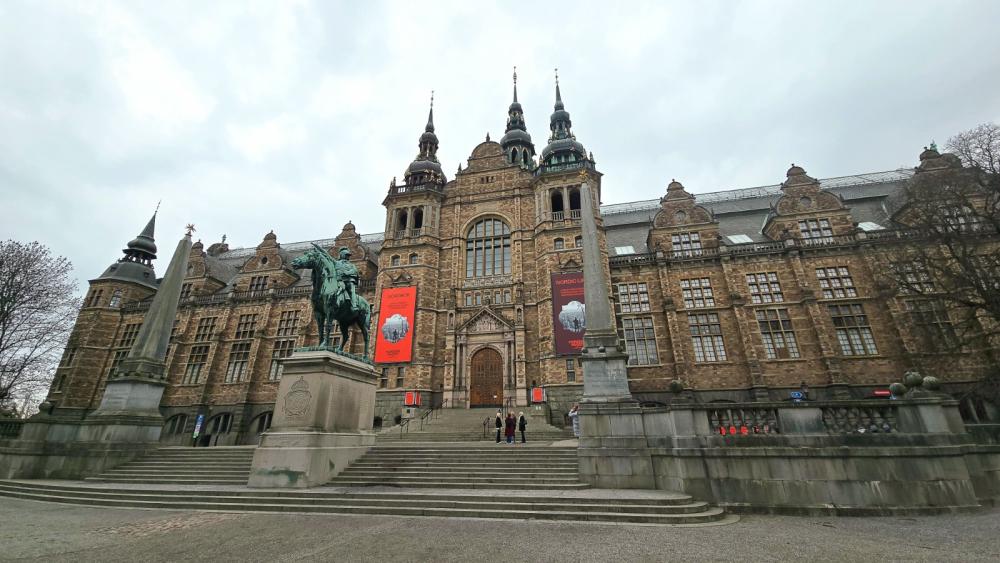
The “Nordic Museum” delighted me in a different kind of way. There are no spectacles and great historic stories. It is dedicated to common people who have lived in the cold Scandinavia for more than one millennium. Its fantastic display shows how people had lived, what their houses and furnishings had been like, their costumes and everyday life…
And then, the museum dedicated to Vikings, their cruel world, their way of life, customs and what they had actually been, and not what we found out through myths and pop culture…
In the vicinity, there is the Museum of Spirits where I tasted the famous “akvavit”, Swedish herb brandy, but also a few (fantastic) local craft beers. There is also the museum of the legendary ABBA, then the Ghost Museum, but also the Amusement Park.








.jpg)