


Even though I was on the other side of the world, the way people talk, sit together, drink coffee and share meals reminded me of what I love most—the Mediterranean. Maybe that’s why Uruguay’s capital is often called “the most European city in South America.”
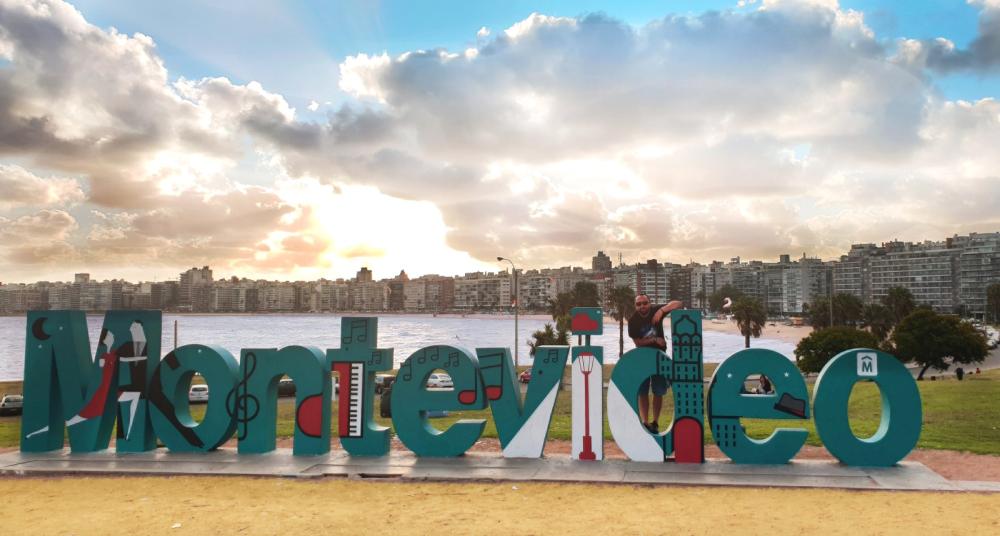
Three days are not enough to truly get to know Uruguay. But they are enough to fall in love—with the country and its cheerful people. And to hope that one day I will wander through Montevideo again, soaking in its sounds and scents, trying to hold on to every moment.
I will never forget the joyful face of Tomaš Šaranović and the happiness he felt meeting someone from Montenegro. I don’t remember anyone ever welcoming me with such warmth.
His eyes filled with tears when I handed him a Montenegrin flag and a “Vuci gorski” hoodie.
“Thank you, brother,” was all he managed to say—in Montenegrin.
We continued our conversation in English, but we both knew—we were our own. A hundred years of distance had not changed the spirit of our people.
He immediately took me to a tavern to eat and drink.
“You must be hungry and tired after such a long journey,” Tomaš said.
I watched him and thought—he’s just like our elders. And then we set off to explore the city.
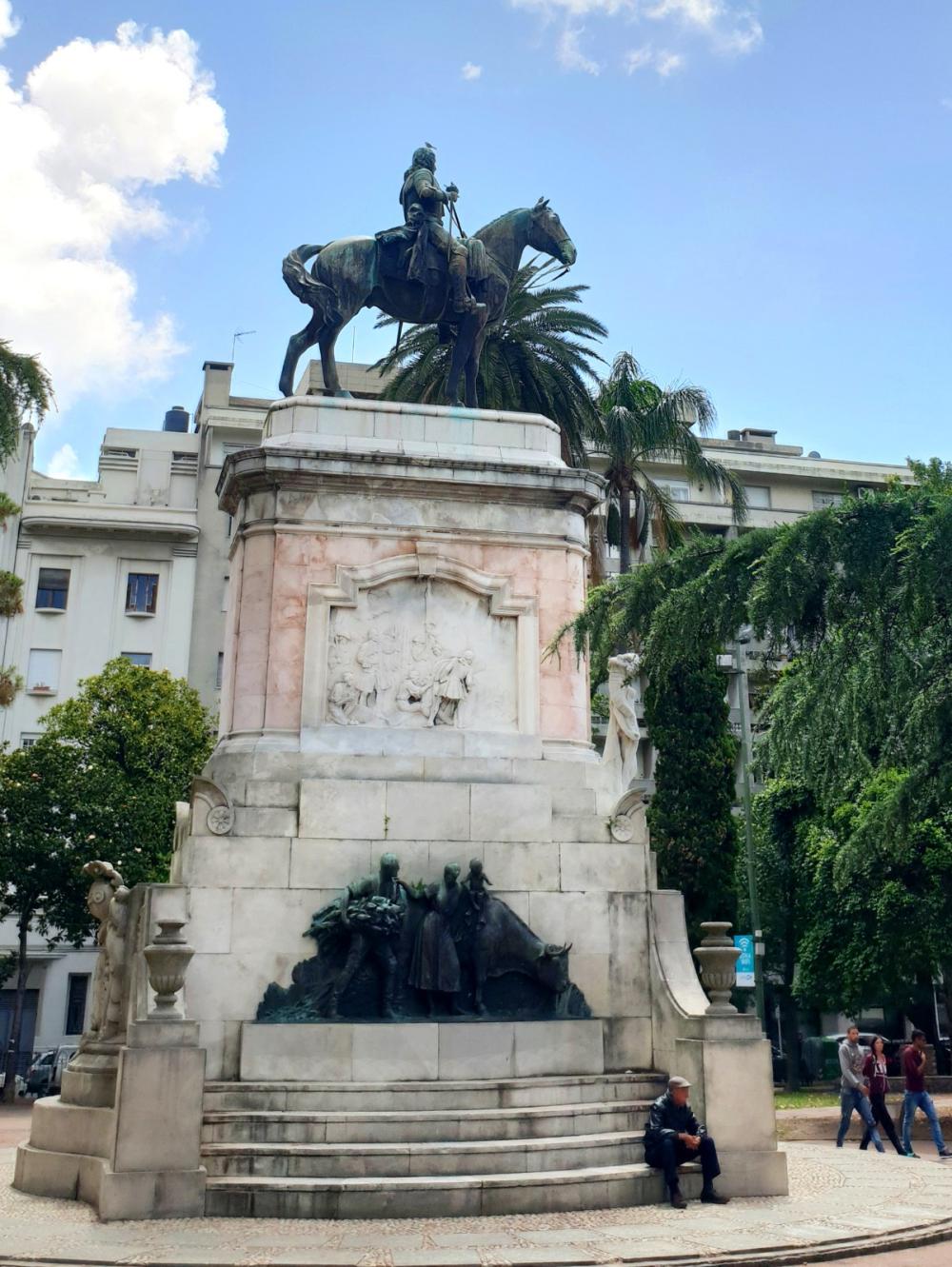
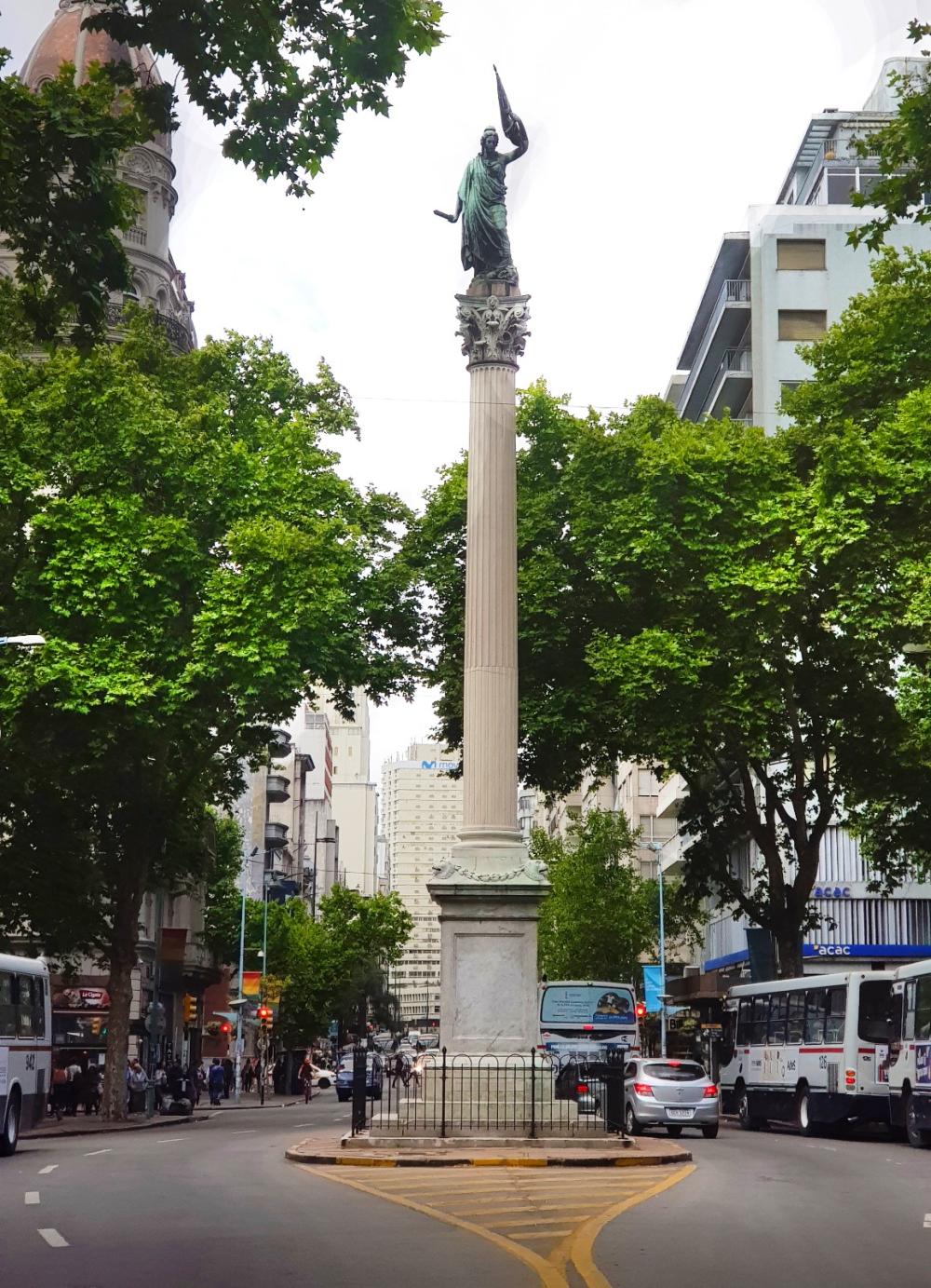
Montevideo is fantastic.
Yes, there’s traffic—but it doesn’t even come close to the chaos of São Paulo or Buenos Aires.
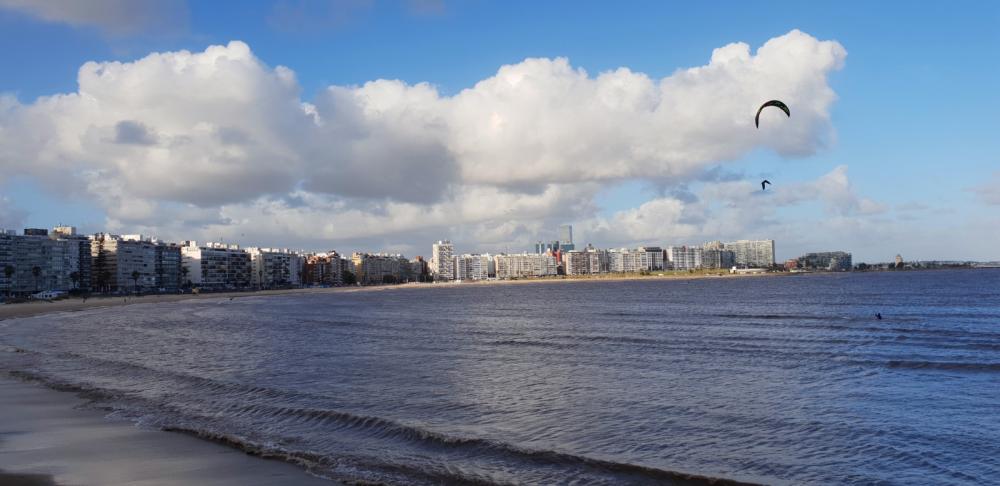
The city sits where the Río de la Plata meets the Atlantic, and the clash of water, winds and clouds creates a peculiar climate. You feel it most in the wind, which seemed to constantly sway the branches of the city’s diverse trees. I was especially delighted by the mimosa trees, whose vibrant colors gave the city a unique charm. All that was missing were marching majorettes—the atmosphere would have been complete!
Along the coast, people sat and enjoyed the sun as if time were not something to spend, but something to share. I quickly realized—no one here is in a hurry. So I gave up on the idea of “seeing it all.”
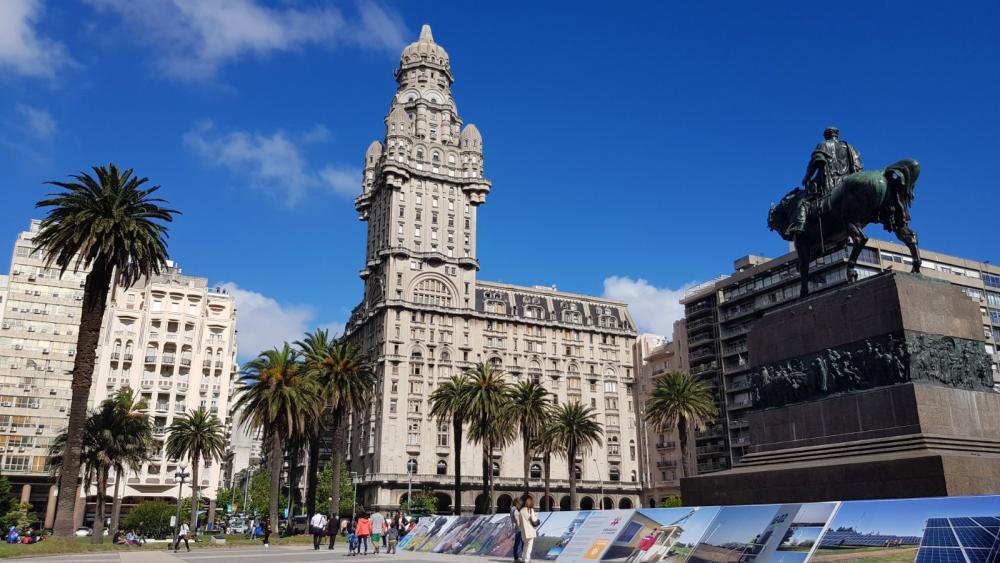
The very center of Montevideo feels like a collision of eras compressed into a few city blocks. At Plaza Independencia, everything opens up—a wide square holding the city together, surrounded by a blend of old and new. Glass and concrete towers of today stand side by side with the history of the old town.
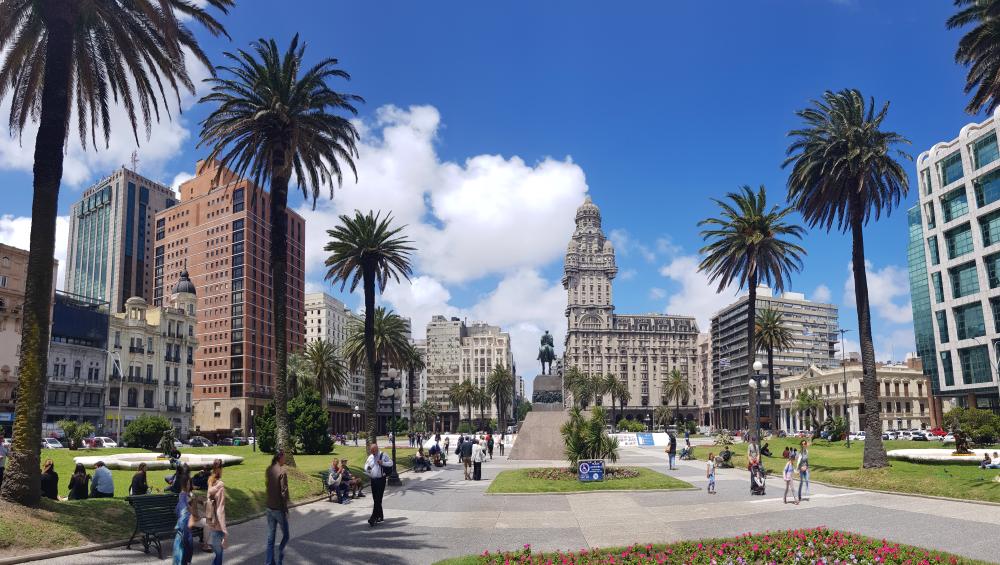
Dominating the scene is Palacio Salvo, a slightly unusual, almost theatrical skyscraper—a reminder of ambitions from another time. Yes, Montevideo and Buenos Aires once competed to be the world’s capitals. A series of economic crises and poor political decisions have left Uruguay far removed from its former power and glory.
Puerta de la Ciudadela—the stone gate, the last remaining fragment of the old city walls—stands as a silent witness to time, a reminder of borders that no longer exist. You pass through it, and suddenly, the rhythm changes.
The streets of Ciudad Vieja are narrower, the buildings lower, the feeling more intimate. The old town has a charm I will never forget.
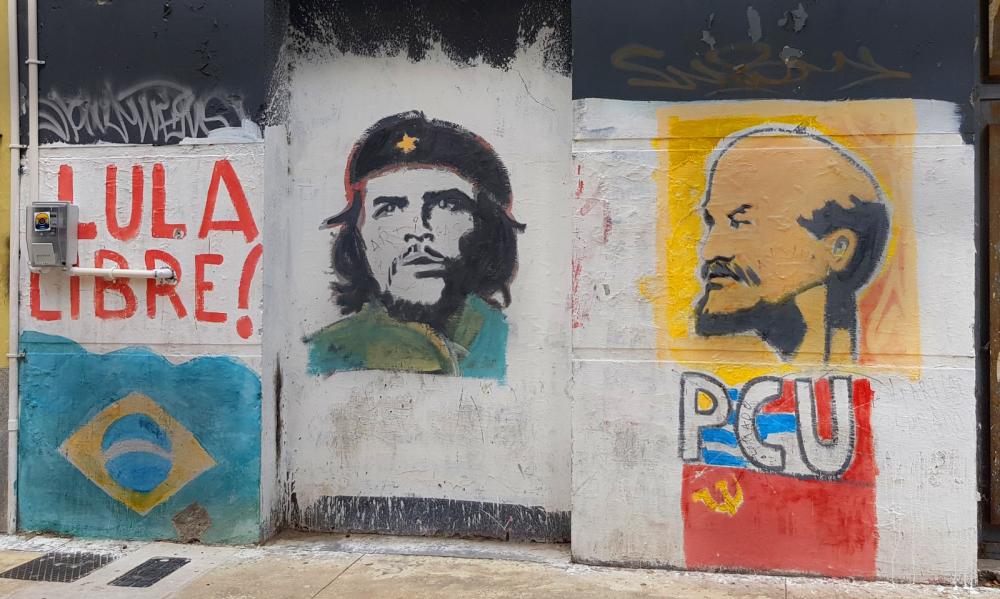
Walking through its alleys, I paused in front of faded facades, catching fragments of conversations I didn’t understand—but somehow felt. I was captivated by the graffiti and murals. I hadn’t expected such a strong presence of leftist symbolism—portraits of Lenin, Marx and Che Guevara, along with their revolutionary slogans, came as a real surprise.
The architecture felt worn, but not neglected. Sun-faded facades carried traces of better times—without trying to hide them. Montevideo doesn’t pretend to be perfect. And it was in that honesty that I began to understand it.
I wandered without a plan, turning wherever something caught my eye, absorbing the rhythm of a place that clearly doesn’t try to impress its passersby.
What surprised me the most was the feeling of familiarity. Even on the other side of the world, the way people talk, sit together, drink coffee and share meals reminded me of what I love most—the Mediterranean.
Maybe that’s why Uruguay’s capital is often called “the most European city in South America.” As if the same idea of life simply repeats itself here.
Unfortunately, I didn’t stay in Montevideo long enough. My next stop was Buenos Aires. In the capital of the Gauchos, new people and new stories were waiting.
But that’s a story for another issue of Caffe Montenegro.
At dawn, I boarded a bus to Colonia del Sacramento. The journey lasted a few hours—I dozed off at times, at others simply enjoyed the endless pampas landscapes. The plains stretch endlessly, dotted with farms where cattle graze as if they’ve always been there, while the wind is the only thing that changes.
It’s not a landscape you remember for details, but for a feeling—as if you’ve briefly stepped into a space between two worlds, where nothing happens, yet time moves relentlessly.
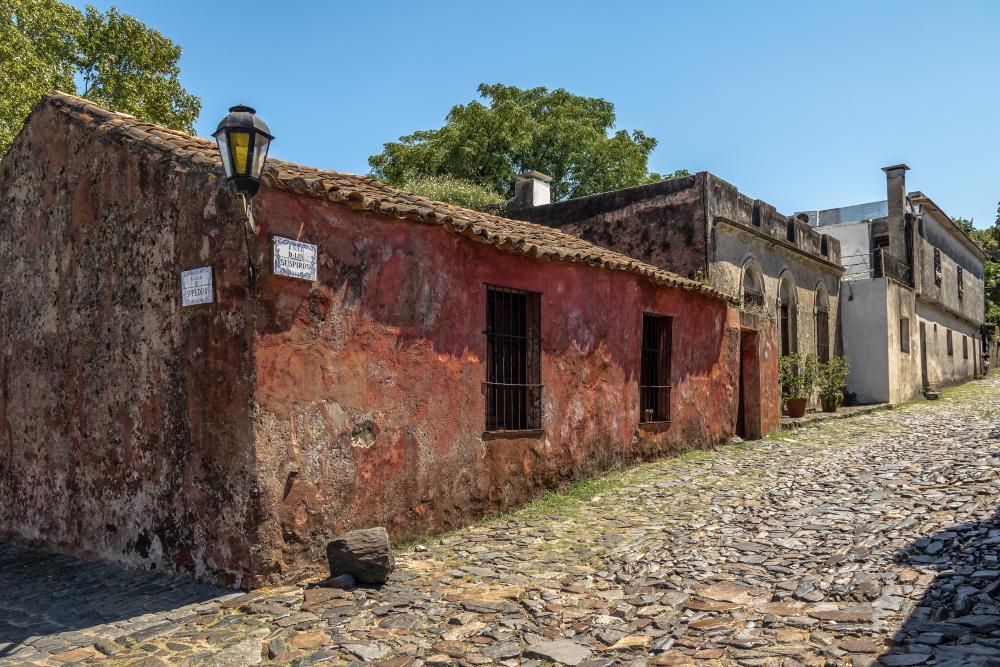
I got off the bus without expectations, but after just a few steps on the cobblestone streets, I felt the need to slow down. After Montevideo’s scale and movement, everything here felt narrower, slower… almost asleep.
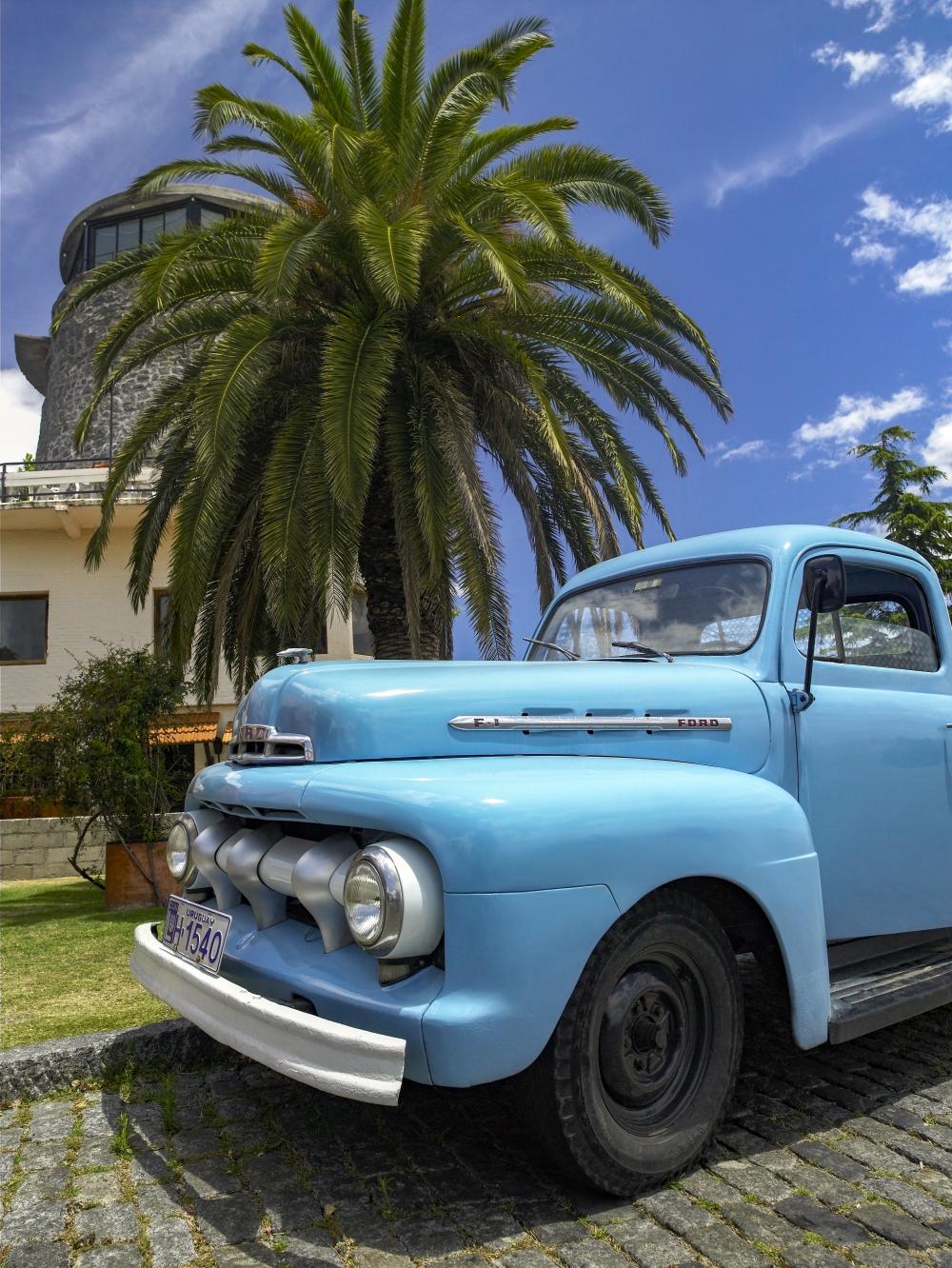
Colonia looks as if someone took a small European town from centuries ago, placed it on the other side of the world, and left it to live its quiet life like a time capsule. Cobblestones, low walls, a silence that soothes.
For happiness, it really takes very little.
Punta del Este is Uruguay’s most famous seaside resort, known for its endless stretches of golden sand. Walking along the beach, I understood why this place is so popular. The sound of the ocean waves was the most beautiful music I could imagine. I hadn’t experienced such relief from city noise in a long time.
The simple joy of being on holiday—far from problems, offices, long meetings and short deadlines.
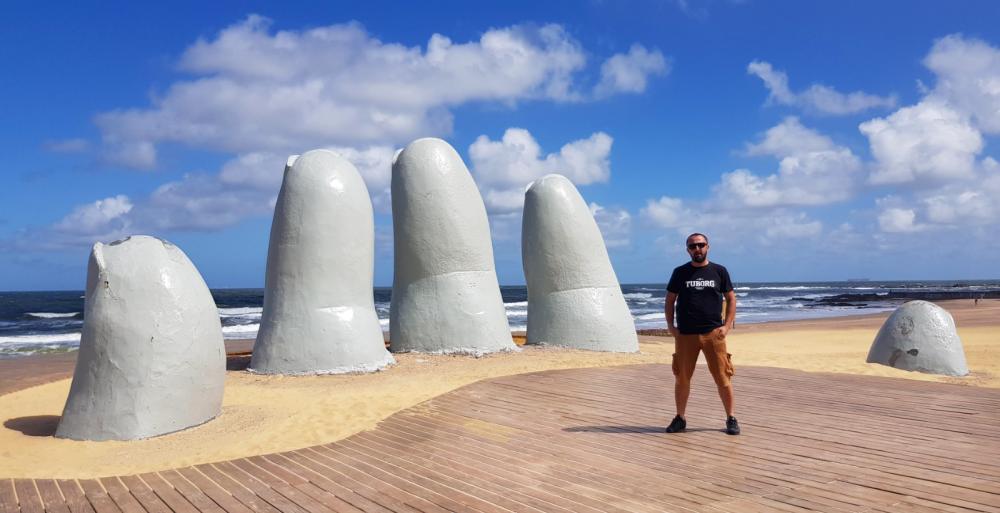
The giant sculpture La Mano remains the most unusual yet vivid detail of Punta. A hand emerging from the sand—as if a giant were trying to rise from the earth. I stood there for a long time, watching people from all over the world patiently waiting to take their photo.
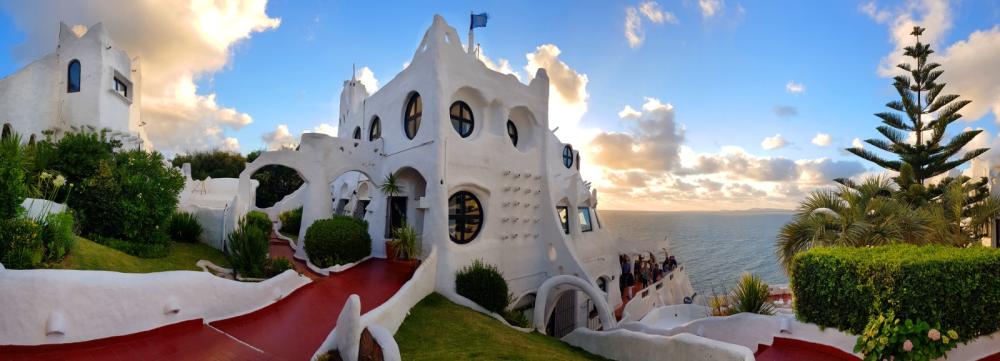
About half an hour from Punta lies Casa Pueblo. For me, it is not just a complex of buildings by the sea, but a true monument to eccentricity.
At first glance, its white, irregular forms cascading down the cliff toward the sea look almost accidental. But behind it all stands the vision of the brilliant Carlos Páez Vilaró—a man of rich imagination, inspired to create something that blends Gaudí-like forms with mystical elements.
The sunset over the Atlantic, illuminating the waves, turns the golden hour into a moment you never forget.
As I write these lines, the image is still vivid before my eyes, the colors intense—and it almost feels as if I can still smell the pine trees and the salt in the air…




.jpg)