

According to the data communicated by the specialized Vinetur portal, global wine tourism market has exceeded USD 50 billion, while in numerous European regions between 20 and 25% of income generated by wineries come from enotourism today.
In other words: wine does not only sell the bottle — it sells the destination.
France – institutionalized prestige
In France, wine regions are systemically branded through state and regional programmes. According to the data quoted by the French economic media outlets like Le Monde, more than 10 million tourists visit the wine regions annually, with about 40% coming from abroad.
The regions like Bordeaux, Champagne and Burgundy do not only sell tastings — but:
classification systems and appellations as a sign of quality, château experience and historical continuity, wine museums like La Cité du Vin, UNESCO landscapes in Champagne region…
French model rests on three pillars: tradition, controlled origin and luxury image. Wine is cultural capital.
Italy – experience, landscape and emotional terroir
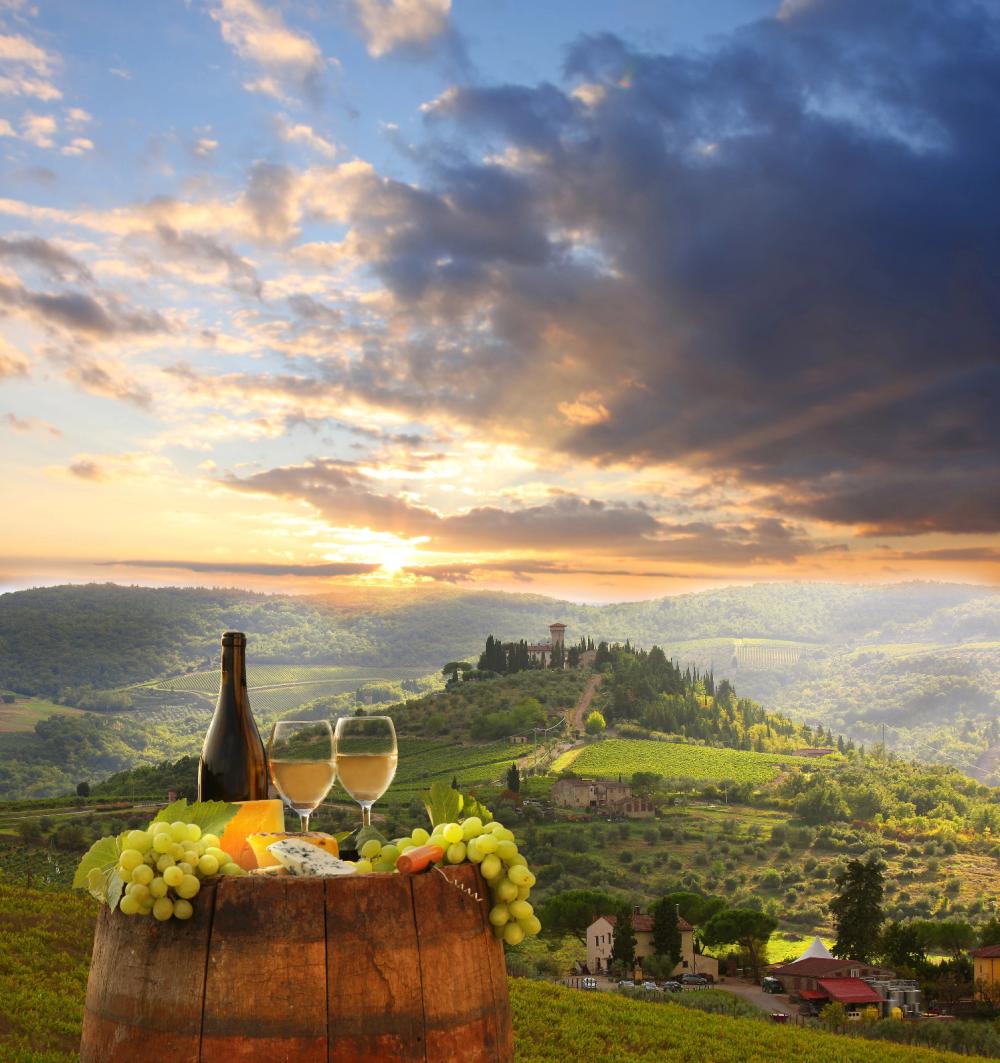
According to the market analyses communicated by Vinetur, Italian wine tourism is worth about € 2,9 billion, with approximate annual growth of 15–16%. The regions like Tuscany and Piemonte have developed a model where wine is not separated from gastronomy (slow food movement), accommodation in vineyards (“agriturismo”), local festivals and wine routes, visual identity of the hills and historical villages.
In Tuscany, wine has become a synonym of lifestyle. Tourists come because of Chianti or Brunello, but stay because of landscape, cuisine and the rhythm of life.
Spain – architecture, design and market growth
According to the data of the specialized wine sources, in 2025 the Rioja region recorded almost 880.000 wine visits a year, with the growth exceeding 17% as compared to previous years.
Spain has raised enotourism to a new level through architectural icons like Marques de Riscal wineries with the signature of Frank Gehry, designer wine hotels, wine spa centres, powerful event and festival marketing.
Wine communicates modernity and energy. Rioja and Ribera del Duero are examples how traditional production is transformed in a contemporary tourist product.
Portugal – Porto and Douro as landscape brand
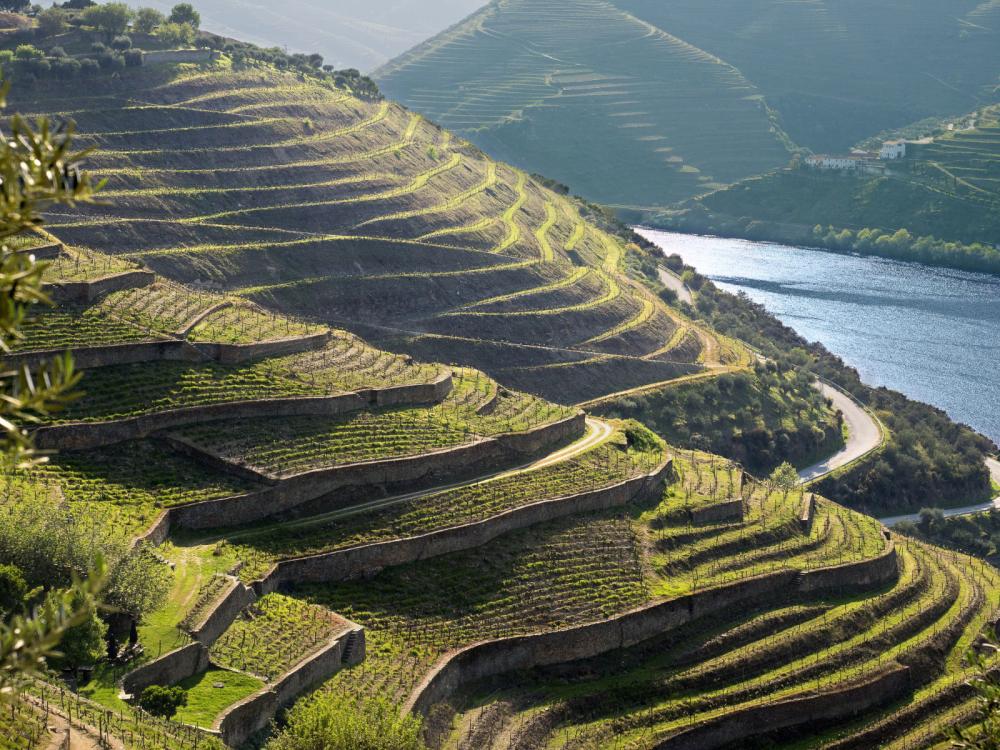
Douro Valley region, home to Port wine, is one of the world oldest legally defined wine regions (demarcation 1756). UNESCO landscape of terraced vineyards makes Douro a unique example of the combination of culture and nature.
According to academic research published in the European magazines of sustainability and rural development, wine and enotourism are key generators of local economy in Douro Valley. Pinhão itself records hundreds of thousand visitors a year, while the city of Porto uses wine cellars in Vila Nova de Gaia as the central tourist magnet.
Portugal shows how wine can revitalise rural area and create a globally recognizable identity.
European models show several clear principles
Wine has to be integrated in the destination narrative, not isolated. There is a need for institutional support and clear quality classification. Architecture, landscape and gastronomy have to work together. Enotourism generates direct revenues and long-term brand loyalty. The fight in the wine world today is not just a fight for the market — but for the perception of the territory. The regions which manage to link the terroir, tradition and modern experience, win the tourists and markets.
Montenegro – wine as authentic experience
Montenegro, despite being small, is becoming a recognizable wine destination in accordance with European enotourism trends. The Plantaže company comes first, with the largest vineyard in a single complex in Europe and the Šipčanik cellar, offering tastings, wine tours and educational programmes. Wine is not just a product here – it is a story of the terroir, tradition and people who make it.
In addition to the Plantaže, even small private wineries in Montenegro follow similar principles: they offer experiential tastings in a more intimate setting, often in combination with local gastronomy and the landscape; they organize theme tours and wine workshops on the history of varieties and biodynamic production, build recognizable visual and brand identity through labels, cellar design and storytelling, similar to the models from Tuscany, Bordeaux or Rioja, focusing on authenticity and emotional attachment to the visitor, making thus wine not only a drink, but an experience and the motif for travels.
This strategy creates a synergy between the big and small producers, where the Plantaže attract visitors with their big brand, while the small wineries offer intimate, personalized experiences which complement the wine map of Montenegro. In that way, wine becomes a true tourist magnet, and the destination – recognizable and modern in the world of enotourism.


.jpg)