

In April 2012, I first encountered a city of millions spread across two continents, with rivers of people streaming down Istiklal Street as if in a film, and seagulls ruling the skies whenever the cats allowed them.
That same year, a Red Hot Chilli Peppers concert brought me back again, this time in the September autumn. Thirteen years later, I know I return to Istanbul every year, often more than once, and I stopped counting arrivals and departures, and sighs.
There are cities we remember, and cities we return to. Cities to which we invite others. Istanbul belongs to the latter – places that do not let you leave, that always call you back. In all these years, I have not met a person who has not been left indifferent by Istanbul – it is either a great love or a great incomprehension of chaos.
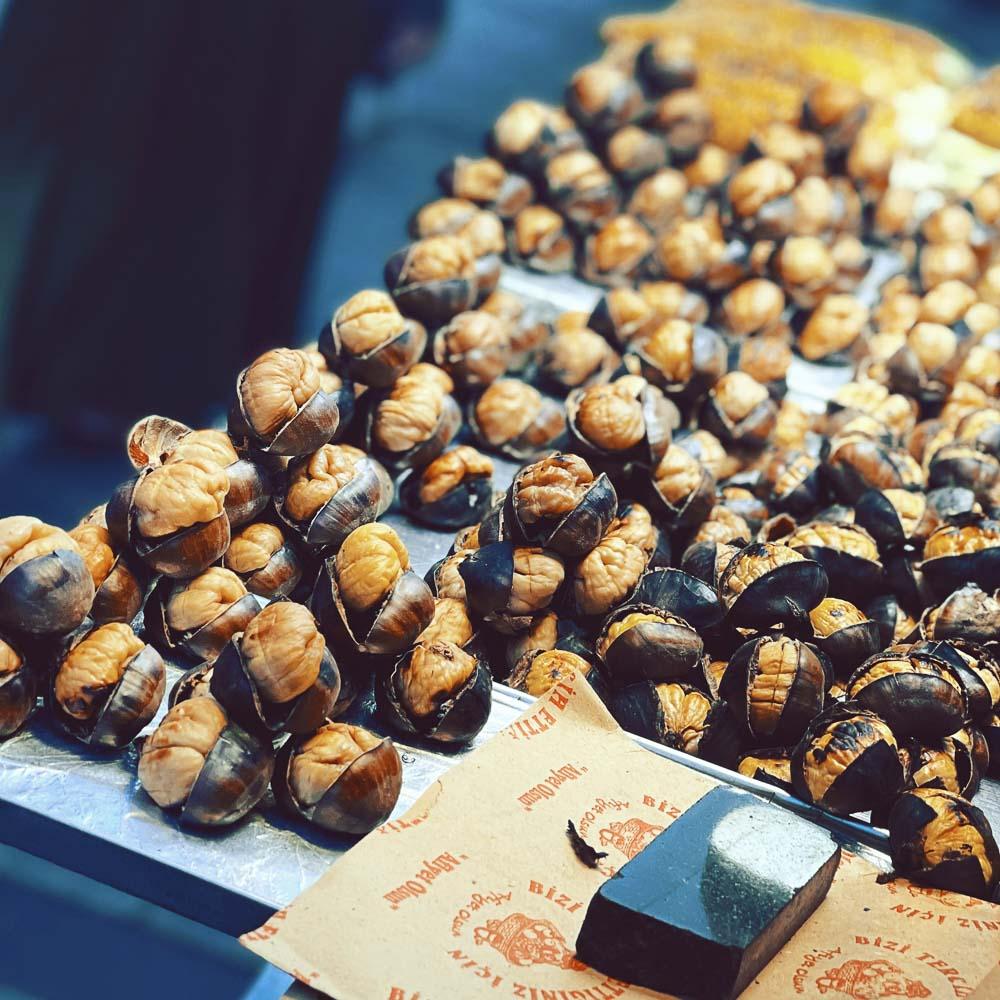
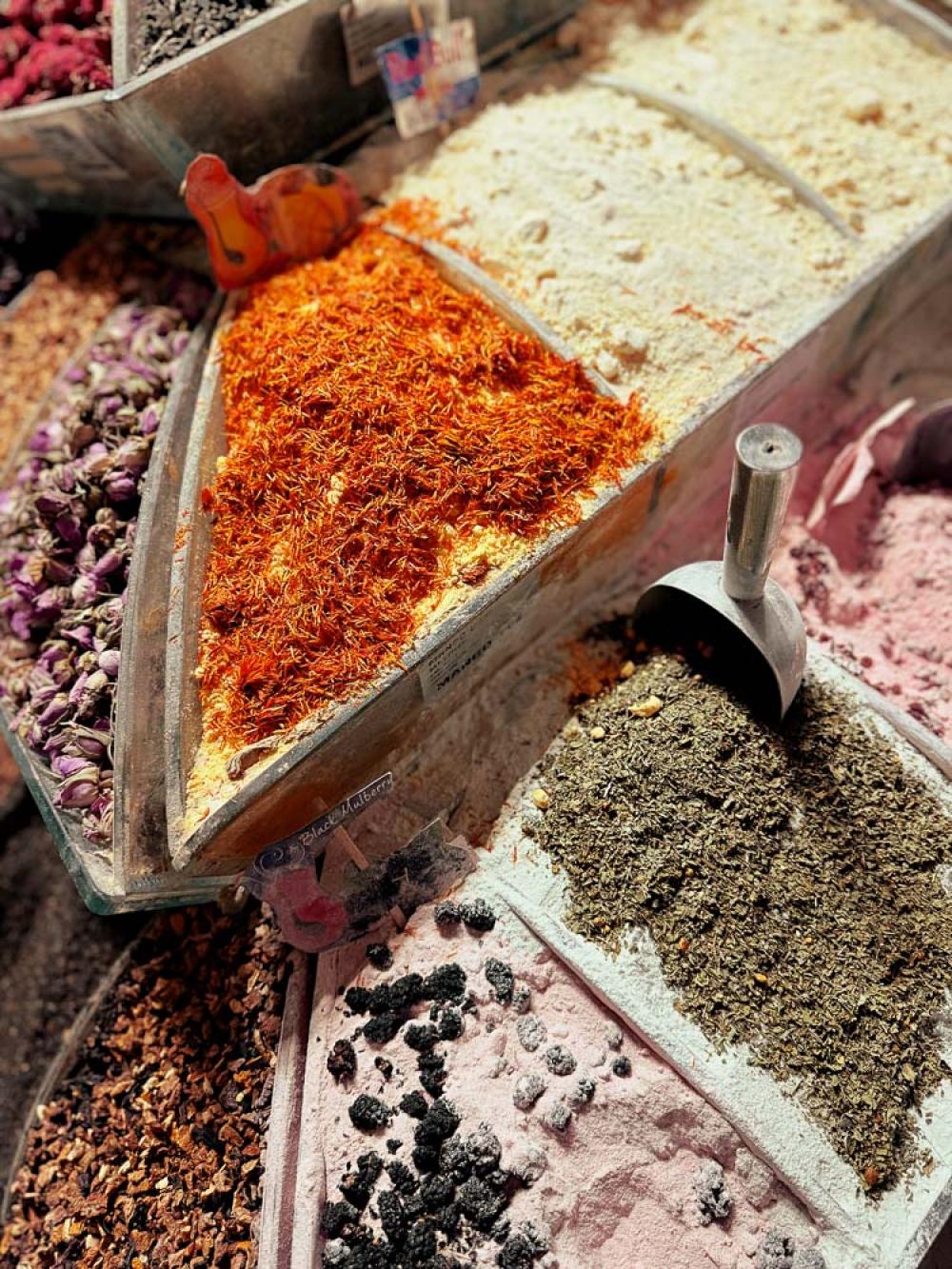
And yes, Istanbul is chaos. But it is also home. An energy like no other city, and an endlessly layered story. A city in constant change. The sounds of ships on the Bosphorus, whispers and footsteps on cobbled streets, laughter and conversations in parks – all of it, framed by buildings old and new, telling the stories of generations upon generations. The scent of fresh tea and salep on every corner. Shouts and hurried footsteps. Chestnuts roasting on the street, pomegranates and oranges piled everywhere, spices arranged like mosaics of colour and scent. Simit on every corner. Here, breakfast lasts all day.
And yet… Istanbul is huzur. Calm and presence. The pure happiness of acceptance. If you allow it. Despite the chaos of daily life, of traffic and the endless rhythm of steps in every direction, Istanbul is also the smell of the sea, the serenity of the Bosphorus shores, the swift glide of seagulls, and the graceful walk of cats.
Istanbul is the Bosphorus. And the Bosphorus is its joining and its separation, present in everything – a constant reminder that life is in motion and that nothing stays the same. Ever. When you surrender to the blue of the Bosphorus, stretched between the Black Sea and the Sea of Marmara, and turn back towards the city, you will see a different Istanbul. You will see layer upon layer of life, between and beneath the bridges. You will feel the city’s pulse in a different way, giving both Istanbul and yourself space.
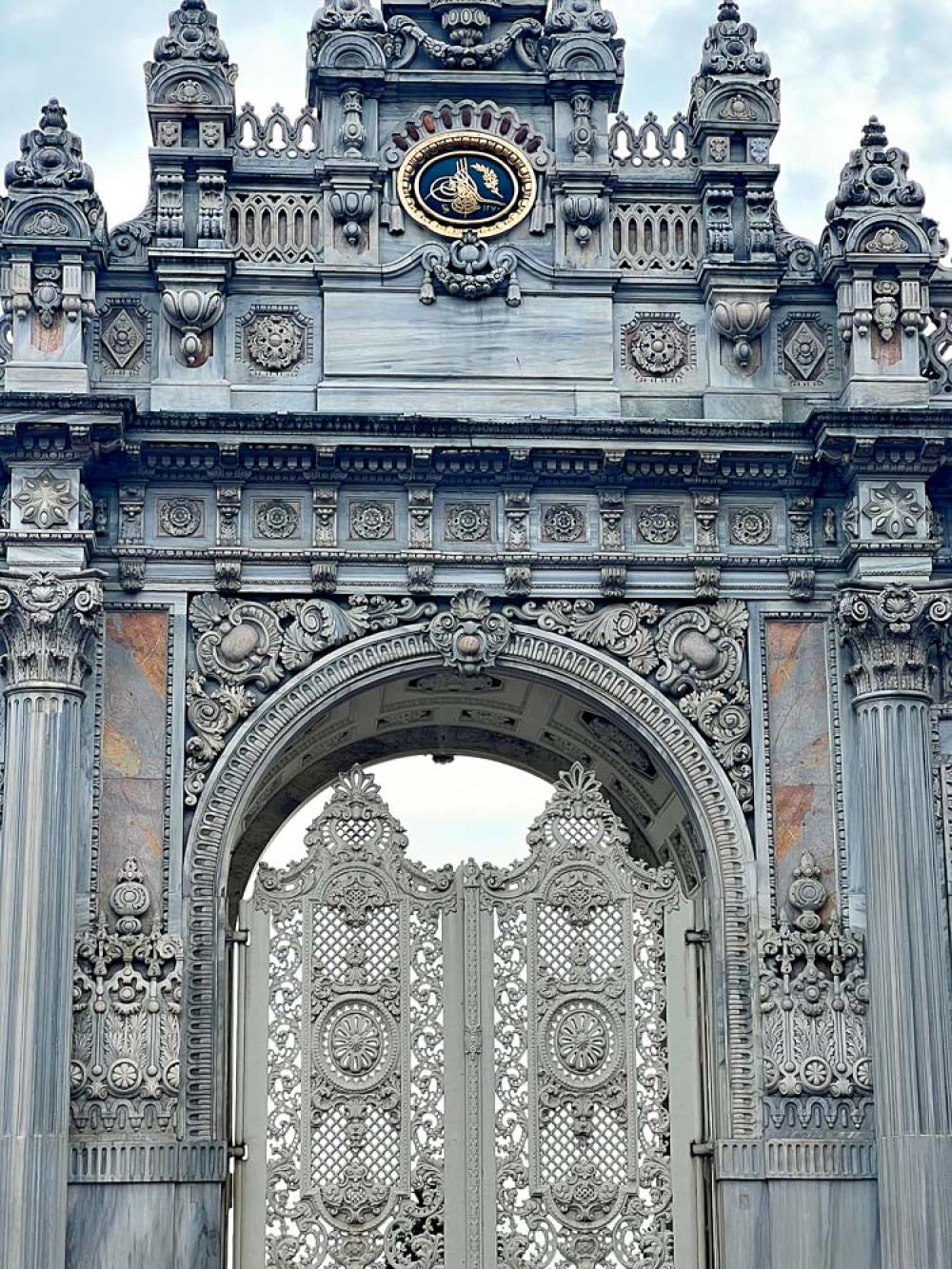
For centuries, Istanbul has been the city where past, present and future converge. A city that has changed and continues to change. And it does not stop – it shocks with the speed of its transformation, surprising with a modern face of skyscrapers and new districts. Yet its essence remains the same – a city of contrasts, of great differences, an open-air museum-gallery.
Whether you allow Istanbul to intoxicate you, to conquer you from your very first visit, depends only on you. On how much you let yourself be carried by it, and how much you allow it to serve life to you – sometimes beautiful, often raw, always in countless shades and colours. Istanbul demands that you give space both to yourself and to it – and no, you cannot see it all in three or five days… It’s 39 districts, each of which offers something different. I cannot tell you everything, nor recommend exactly where to go and how. Istanbul is a city that each person must plan on their own terms.
You may embrace the cobbled streets of the old European side and allow Sultanahmet (Sultanahmet Meydanı) to be crowded and heavy with emotion, just like Sirkeci Station (Sirkeci Garı), once the final stop of the legendary Orient Express; find calm as you take in the scents and grandeur of Süleymaniye (Süleymaniye Camii); or remember that Eyüp (Eyüp Sultan Camii and Eyüp district) holds countless fascinating stories, with views over the Golden Horn (Haliç) that take you back to what Istanbul once was.
A little further down the Golden Horn, Balat and Fener (Balat ve Fener) tell their stories through colourful houses, old churches and mosques, neighbourhoods that preserve the spirit of another time – alongside glimpses of the modern city emerging.
You may spend hours at Topkapı Palace (Topkapı Sarayı), listening to the Bosphorus echoing through its windows, sipping a royal drink on one of its loveliest terraces. Or stand between Hagia Sophia (Ayasofya Camii) and the Blue Mosque (Sultanahmet Camii), merging into the hum of voices, tram bells and the serenity of the ancient Hippodrome (At Meydanı), leading you towards the bustle of the Grand Bazaar (Kapalıçarşı). The Spice Bazaar (Mısır Çarşısı – Egyptian Bazaar) hides one of the oldest Ottoman restaurants, where you can still taste dishes that take your breath away, just as much as the view towards Galata (Galata Kulesi).
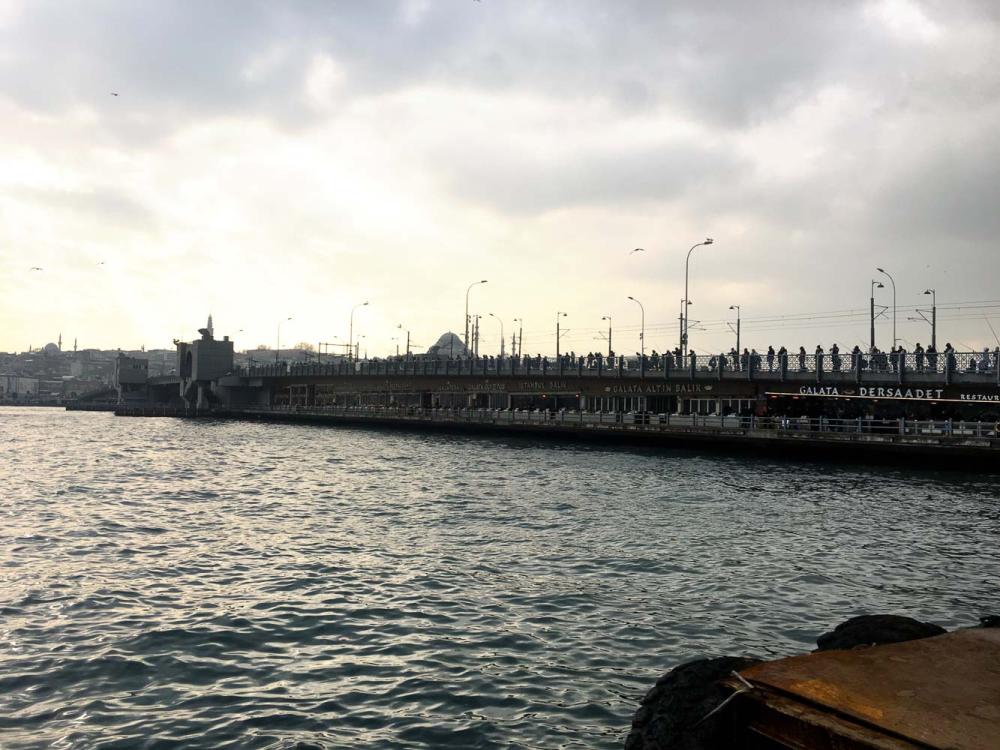
When you tire, even a little, of history, encounters and oriental scents, Galata Bridge (Galata Köprüsü) takes you to another Istanbul – the modern European side. The Galata Tower (Galata Kulesi) greets you on the horizon, once a fortress, now a lighthouse of stories. Karaköy is a place you will want to return to for countless reasons (and perhaps to stay in), with its small cafés, endless restaurants, the spirit of art galleries and new spaces rising from the old – pressed up against Galataport, which in recent years has reshaped the Bosphorus shore and brought back the Istanbul Modern Museum (İstanbul Modern).
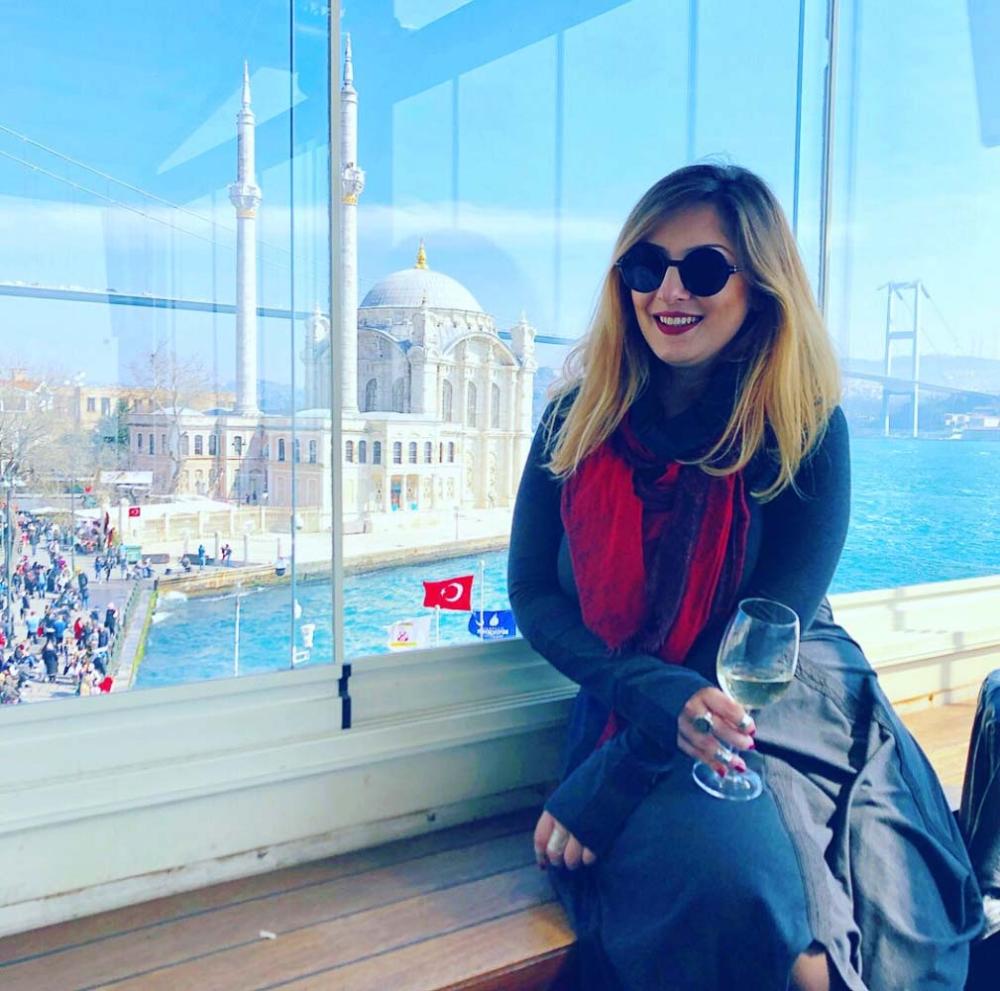
From here it is easy – towards the crowded but unmissable Istiklal Street (İstiklal Caddesi), on to Taksim Square (Taksim Meydanı), which always has something to declare loudly, to the Pera district you will not wish to leave – for it is that most nostalgic Istanbul – and onwards to Nişantaşı (Nişantaşı), pulsing like Paris, London or Rome… If you missed the city’s horizons from the Bosphorus, where minarets, domes and modern towers merge into impossible views, here you realise that the foundation of the city lies in the chaos of contrasts, sometimes uneasy to the eye, but always captivating and full of wonder. Streets climbing up and down, two or four lanes wide, leading you to Beşiktaş (Beşiktaş), alive with street life, and to Ortaköy (Ortaköy), with its mosque floating above the water, framed by the bridge – one of Istanbul’s most iconic scenes.
And yet, Istanbul is not whole without its Asian side. Luxurious residences, historic architecture, broad promenades and a much slower rhythm become apparent the moment you step off the ferry and leave the European shores behind. Even in Kadıköy (Kadıköy) – with its lively market, fishermen and cafés steeped in local spirit. Or in Üsküdar (Üsküdar), full of unexpected surprises. The Asian side is so much more than the Maiden’s Tower (Kız Kulesi). Here is Kuzguncuk, known for its colourful streets and wooden houses; Moda, a calmer area with its seafront perfect for walks and sunsets that ask for nothing but your presence. As well as the historic Haydarpaşa station (Haydarpaşa), once the final stop for travellers from Asia heading west.
And when you set out on the Bosphorus, no matter your starting point, you will understand the power and magnitude of Istanbul. Rumeli Hisarı (Rumeli Hisarı), the fortress of Mehmed the Conqueror, and opposite it the smaller but equally significant Anadolu Hisar (Anadolu Hisarı), are reminders that the Bosphorus has always been both border and bridge.
That, beyond Sultanahmet, there are countless more places to explore in Istanbul. That modern European Istanbul knows no bounds, while the Asian side lives its own, calmer life by comparison. That I have not written here about Sarıyer, Tarabya, Kanlıca, Fatih, Emirgan, Bebek, Arnavutköy, Çamlıca… You will understand when you go for a visit. And when you return. And when you long to go again, you are torn between the familiar places to which you wish to return and the new things you yearn to discover.




.jpg)