The food we consume with wine significantly influences the way we perceive its aromas, flavours and structure, while wine can simultaneously enhance or alter the characteristics of food. The aim of proper food and wine pairing is to create harmony in which their qualities complement and highlight one another, providing greater enjoyment than when they are consumed separately.
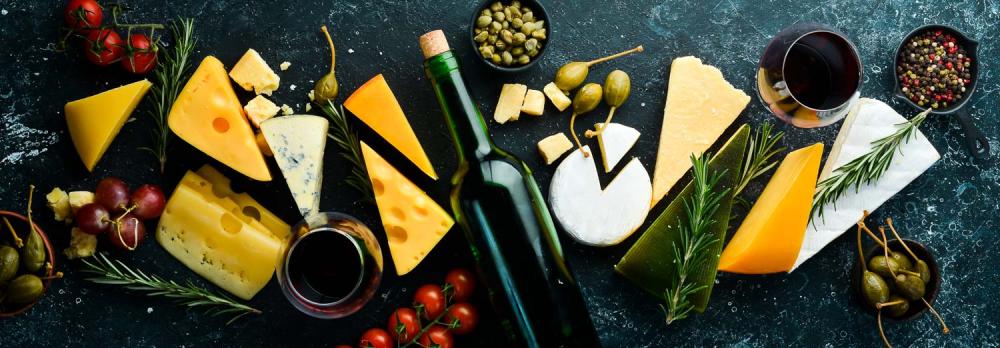
Understanding the interaction between food and wine makes it possible not only to create harmonious and enjoyable combinations, but also to avoid pairings that can disrupt the balance of flavours and diminish the overall gastronomic experience. When considering the fundamentals of how food and wine flavours interact, it is important to bear in mind that every individual perceives flavours and aromas differently. For example, the same level of bitterness may feel more intense to one person than to another. The perception of taste depends greatly on personal preferences – while some people enjoy pronounced bitterness, others may find it unpleasant. For this reason, a food and wine combination that is perfectly balanced for one person may seem average or even unappealing to another. Food and wine pairing should therefore be viewed as a combination of general principles and individual preferences. Although personal taste always plays a key role, understanding the basic principles of pairing makes it possible to create more harmonious combinations and a more complete gastronomic experience.
When we put food into our mouths, our taste receptors temporarily adapt to its characteristics. As a result, our perception of sweetness, saltiness, acidity, bitterness and other flavours in whatever we consume immediately afterwards can change significantly. A classic example of this phenomenon is the unpleasantly sour taste of orange juice when drunk immediately after brushing your teeth. In addition, certain foods, such as chocolate, rich creamy dishes or fatty foods, create a protective coating on the palate and inside the mouth. This “coating” effect can temporarily reduce the sensitivity of our taste receptors, changing the way we perceive wine and other foods consumed afterwards. It is therefore important to understand the different ways in which the characteristics of food influence our perception of flavour when pairing food and wine.
There are two components in food that generally make wines seem “harder” or “tougher” (more dry and bitter, more acidic, less sweet and less fruity): sweetness and umami.
There are also two components whose presence in food makes wines seem softer (less dry and bitter, less acidic, sweeter and fruitier): salt and acidity.
Generally speaking, food has a significantly greater influence on our perception of wine than wine has on our perception of food. The effects food has on wine are more often negative than positive, which makes an understanding of the basic principles of pairing particularly important. By choosing combinations carefully, it is possible to avoid unbalanced pairings and achieve harmony in which the qualities of the food and wine complement and enhance one another.
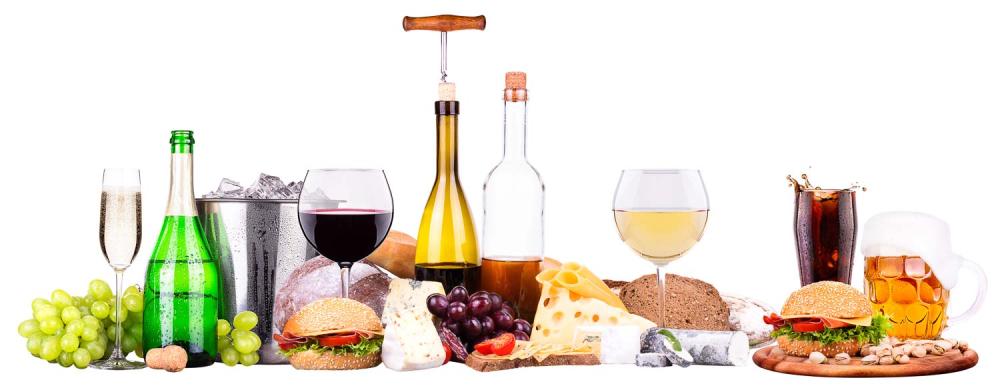
Sweetness in Food
Sweetness in food makes wine taste less fruity and unpleasantly acidic. Food containing sugar is best paired with wines that have a higher level of sweetness than the food itself.
Umami in Food
Umami is a taste that differs from the other primary tastes. It can be difficult to isolate because it is most often present alongside other tastes, such as salt, which tends to balance its negative effects. Examples of foods rich in umami include cooked or dried mushrooms, cured meats and aged cheeses.
Acidity in Food
Acidity in food is a favourable component for pairing because it can balance the acidity in wine and thereby enhance its fruitiness.
Salt in Food
Salt used in cooking enhances the flavour of food, and it has a similar effect on wine. In the presence of salt, wine will taste less dry, bitter and acidic, and instead sweeter and fruitier.
Chilli in Food
The heat of chilli is a warming or burning sensation, and sensitivity levels vary from person to person. There are also significant differences in how pleasant or unpleasant individuals find this effect. The sensation caused by chilli heat is more intense with wines that have a high alcohol content than with those lower in alcohol. Alcohol also intensifies the burning sensation caused by chilli.
Flavour Intensity
Ideally, the intensity of the flavours in the food and wine should be balanced, so that neither overpowers the other.
Acidity and Fatty Foods
A common preference is to pair high-acid wines with richer, fattier foods. This combination can provide a pleasant sensation because the acidity in the wine “cuts through” the fat and cleanses the palate. This sensation is, of course, subjective.
The table below provides an overview of how certain types of food affect wine:
Sweet
More dry and bitter, more acidic, less sweet and less fruity
Umami
More dry and bitter, more acidic, less sweet and less fruity
Salty
Less dry and less bitter, less acidic, sweeter and fruitier
Acidic
Less dry and less bitter, less acidic, sweeter and fruitier
Strongly Flavoured
The flavour of the food dominates the flavour of the wine
Fatty
Less acidic
Spicy – hot chilli
The alcohol in the wine becomes more pronounced
There are also some unwritten rules for pairing food and wine.
Essentially, these too are based on the fundamental characteristics of the food and wine themselves, but they can generally be summarised as follows:
Similar flavours in food and wine complement each other (creamy sauces and oaked Chardonnay)
Contrasting or opposite flavours in food and wine (blue cheese and Sauternes – a sweet wine)
Local food with local wines (Njeguški prosciutto and Vranac)
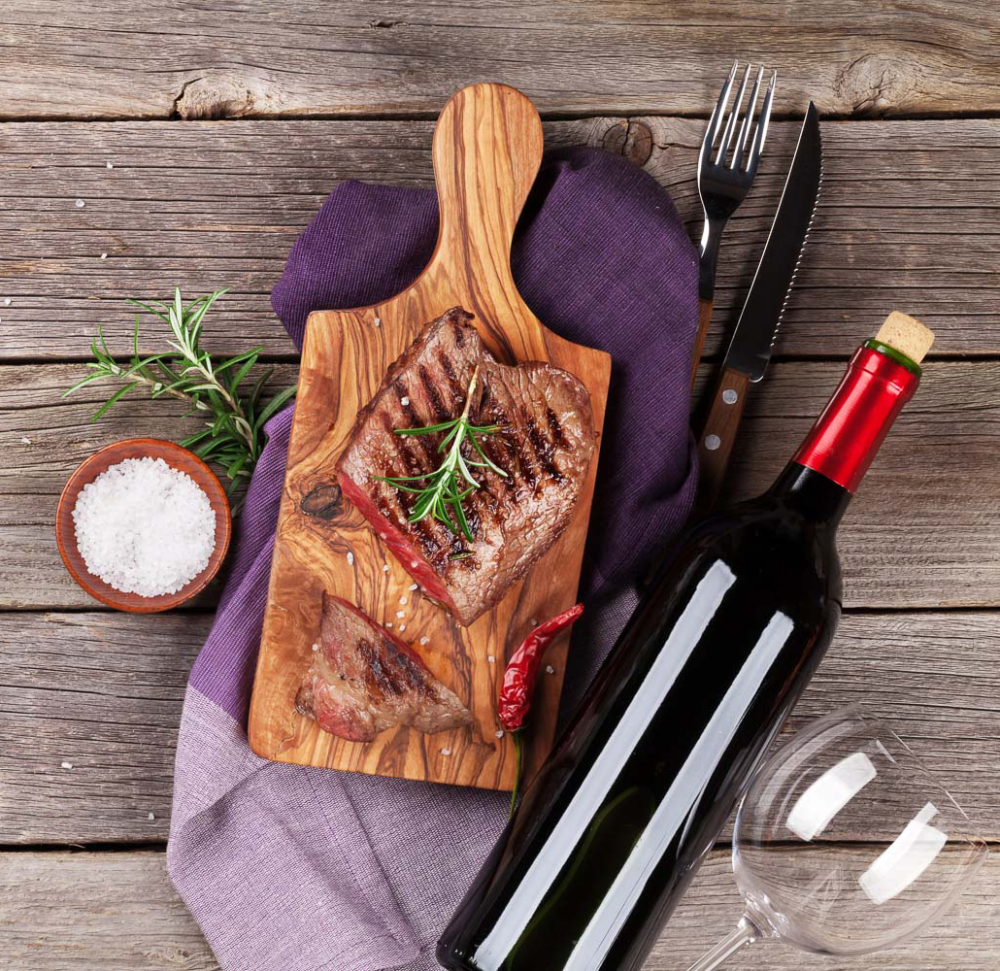
Red meat and red wine (steak and Cabernet Sauvignon)
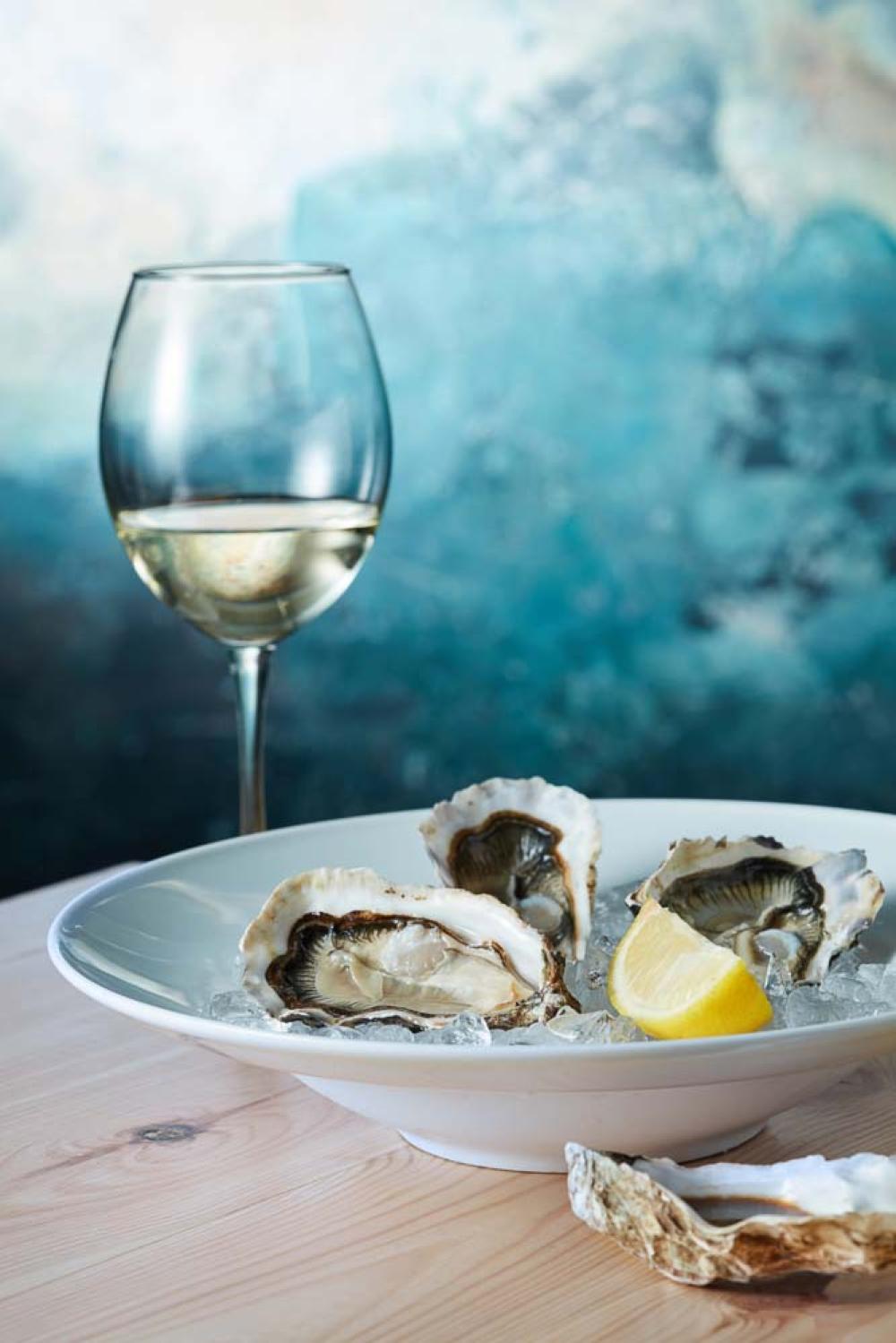
Fish and white wine (white fish and Sauvignon Blanc)
Examples of Good Pairings:
Goat’s cheese and Sancerre
Oysters and Champagne
Stilton cheese and Port
Olives and Manzanilla
It is important to emphasise once again that, even when a particular food and wine pairing is theoretically created in accordance with established rules and principles, this does not necessarily mean that it will appeal to every individual. The experience of food and wine depends greatly on personal preferences, previous experiences and sensitivity to particular flavours and aromas.
For this reason, a combination considered ideally balanced according to professional pairing principles does not necessarily represent the perfect match for everyone. Pairing rules should be regarded as guidelines that help create harmonious combinations, while the final judgement always comes down to individual taste and the personal experience of the food and wine.