


The moment you step into a new café or restaurant, you instinctively reach for your phone. Your gaze searches for the best light, the perfect angle, the detail that will stand out on screen. It’s no longer just a habit—it has become part of the experience.
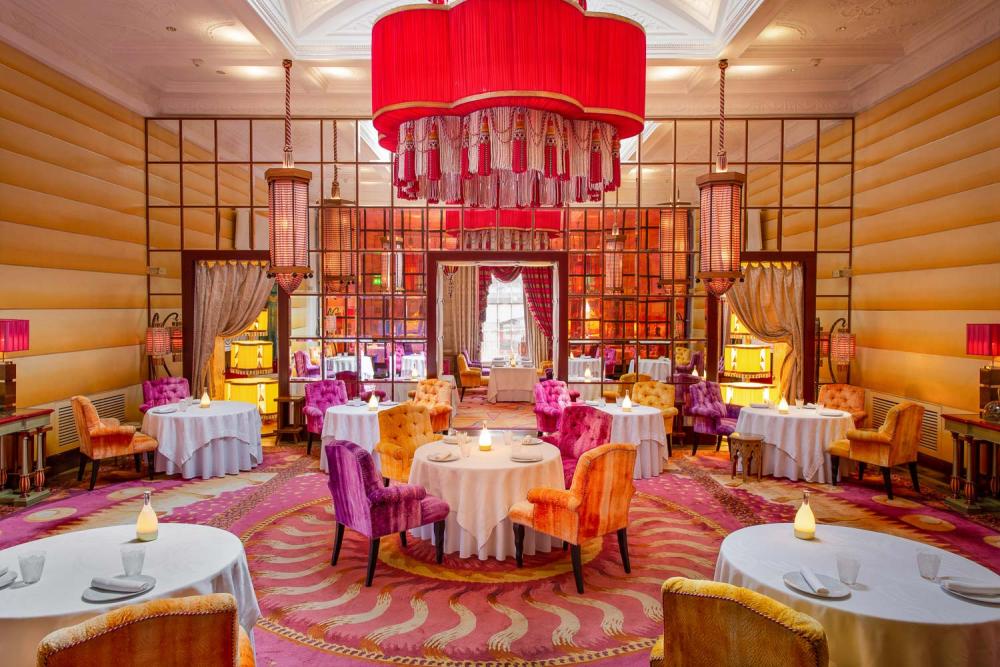
And it is precisely there, between the real moment and its digital version, that one of the most intriguing dilemmas of the contemporary hospitality scene emerges: are spaces today designed for living—or for photographing?
Aesthetics have never been more important. At a time when the first encounter with a venue often happens through a screen, visual identity becomes the key attraction. “Instagram-friendly” interiors are no longer the exception—they are the standard.
Walls in pastel tones, neon signs with carefully curated messages, plants arranged to feel spontaneous yet never accidental. Everything is designed for the image. Everything, in a way, becomes a stage set.
And yet, behind that perfect frame, a quiet question lingers: how is this space actually lived?
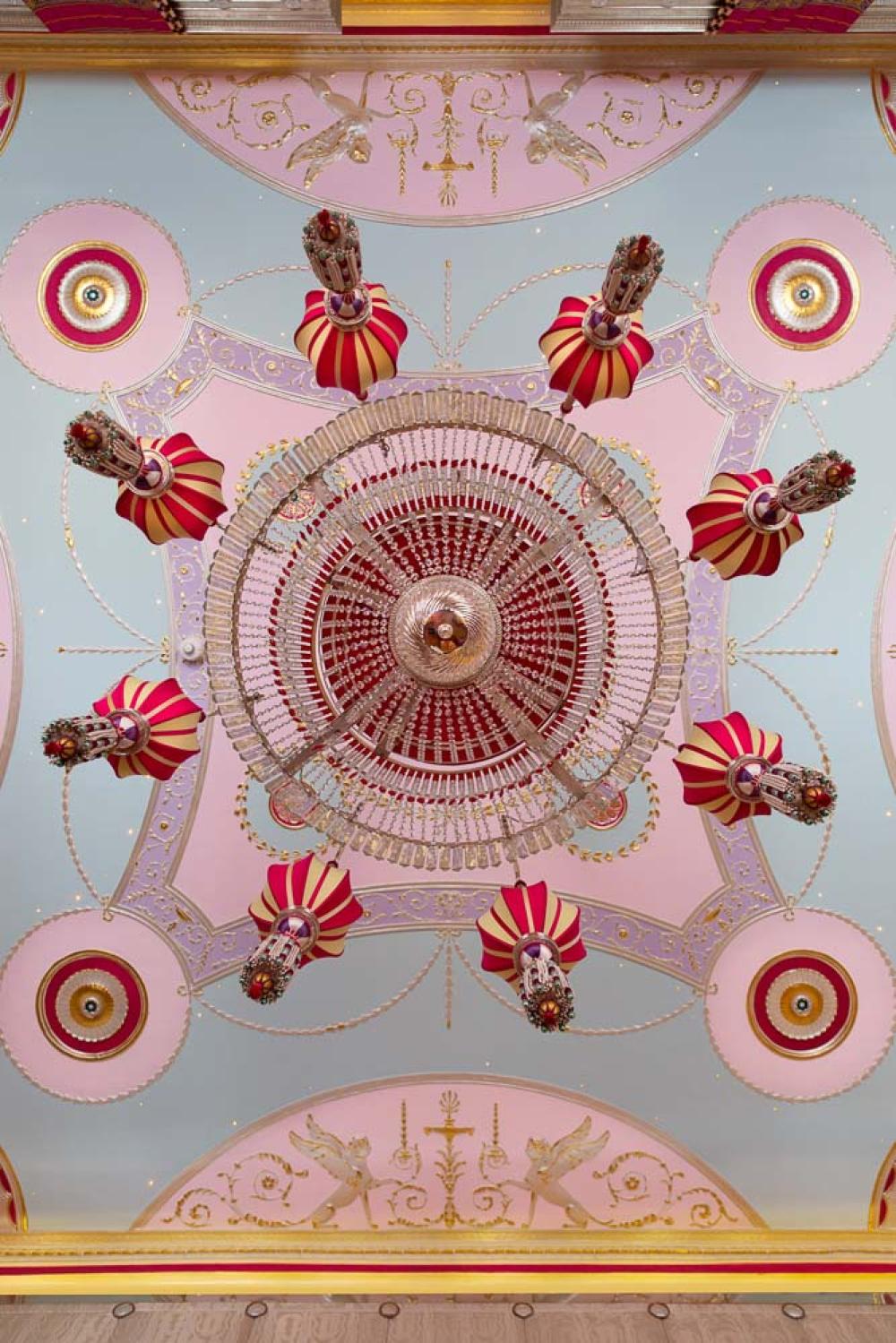
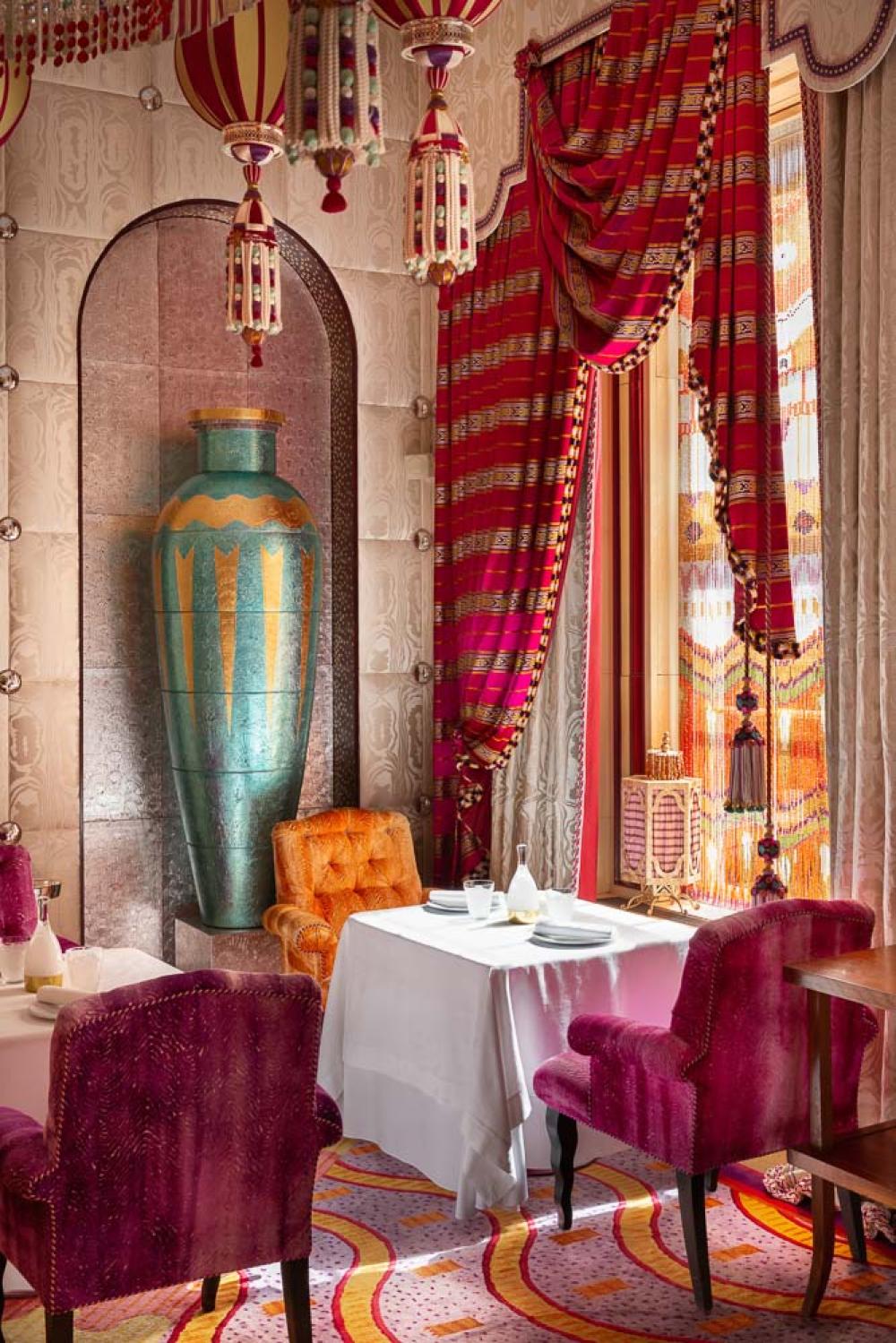
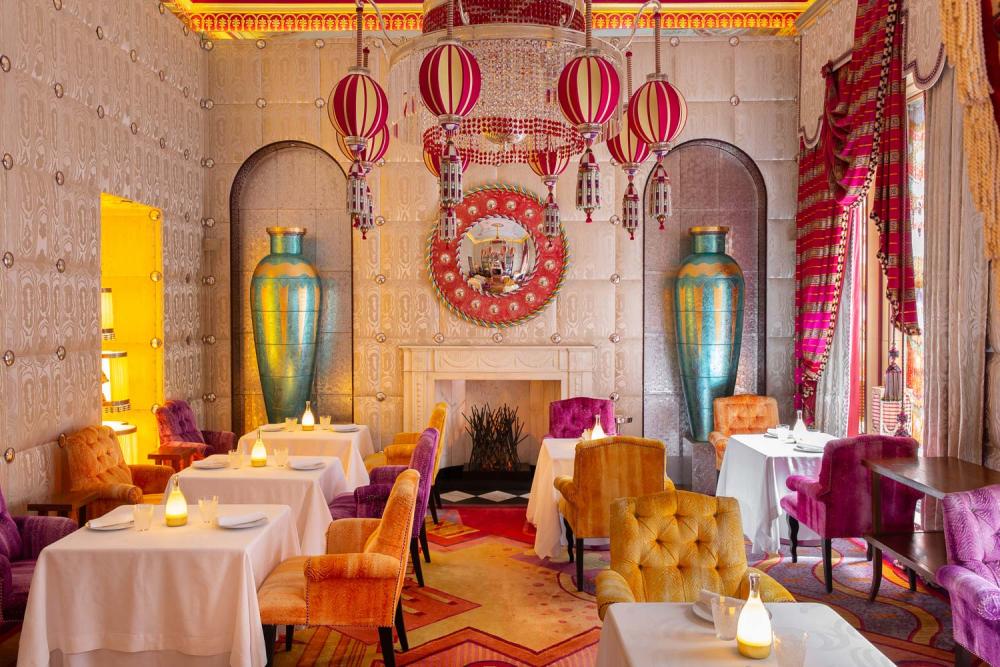
There is no denying that beautiful spaces attract. In a sea of options, visual identity often determines where we sit for coffee or book dinner.
Images circulating on social media have become the recommendations of a new generation—fast, impactful and suggestive. A single strong image can achieve more than ten reviews.
In this sense, aesthetics become a communication tool. They speak about the brand, the energy of the place, the audience it addresses.
A minimalist interior suggests sophistication, rich details evoke hedonism, while industrial style carries a sense of urban ease. Every element has its role, every corner its purpose.
But the problem arises when that purpose shifts—from the guest to the camera.
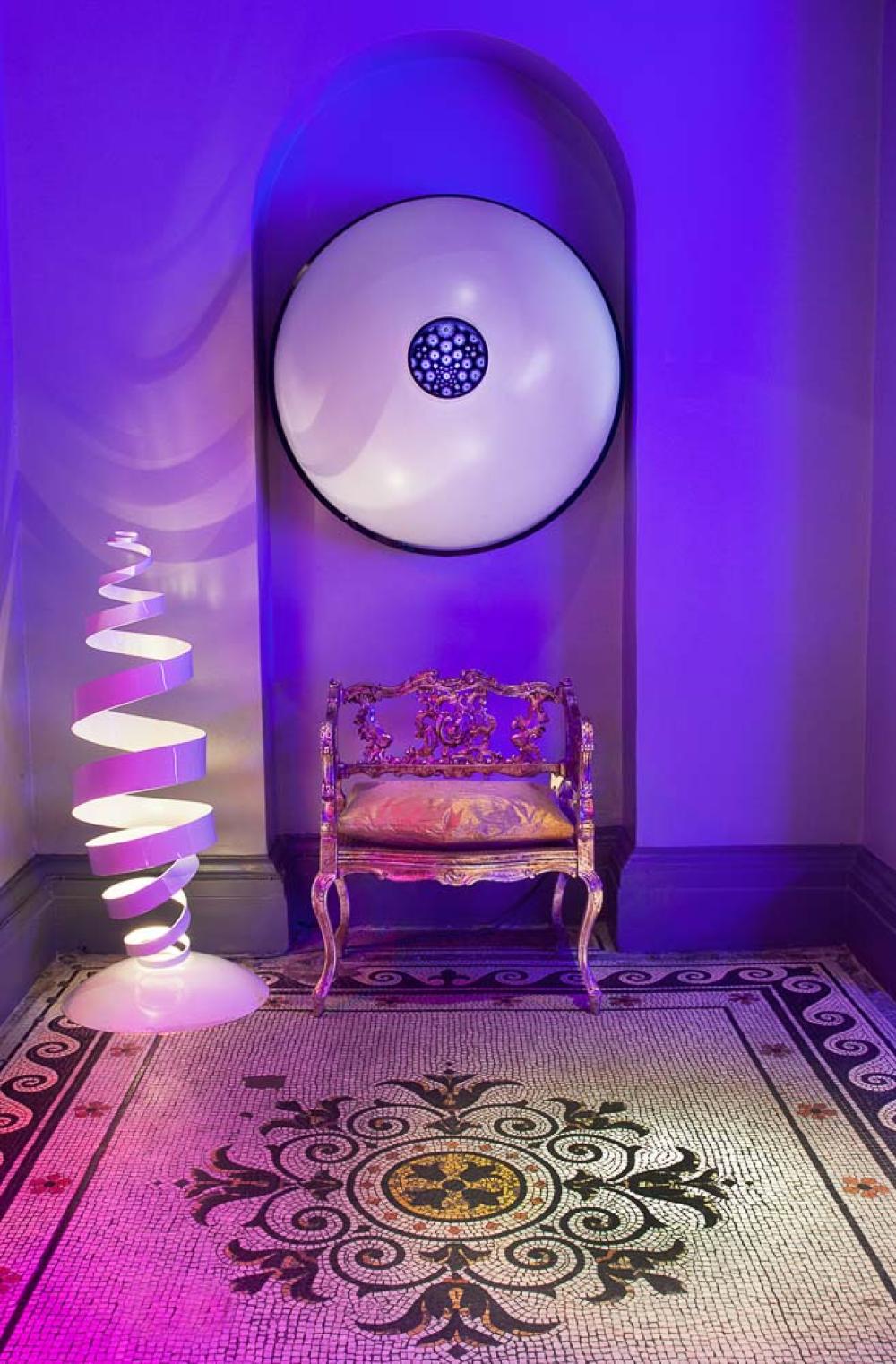
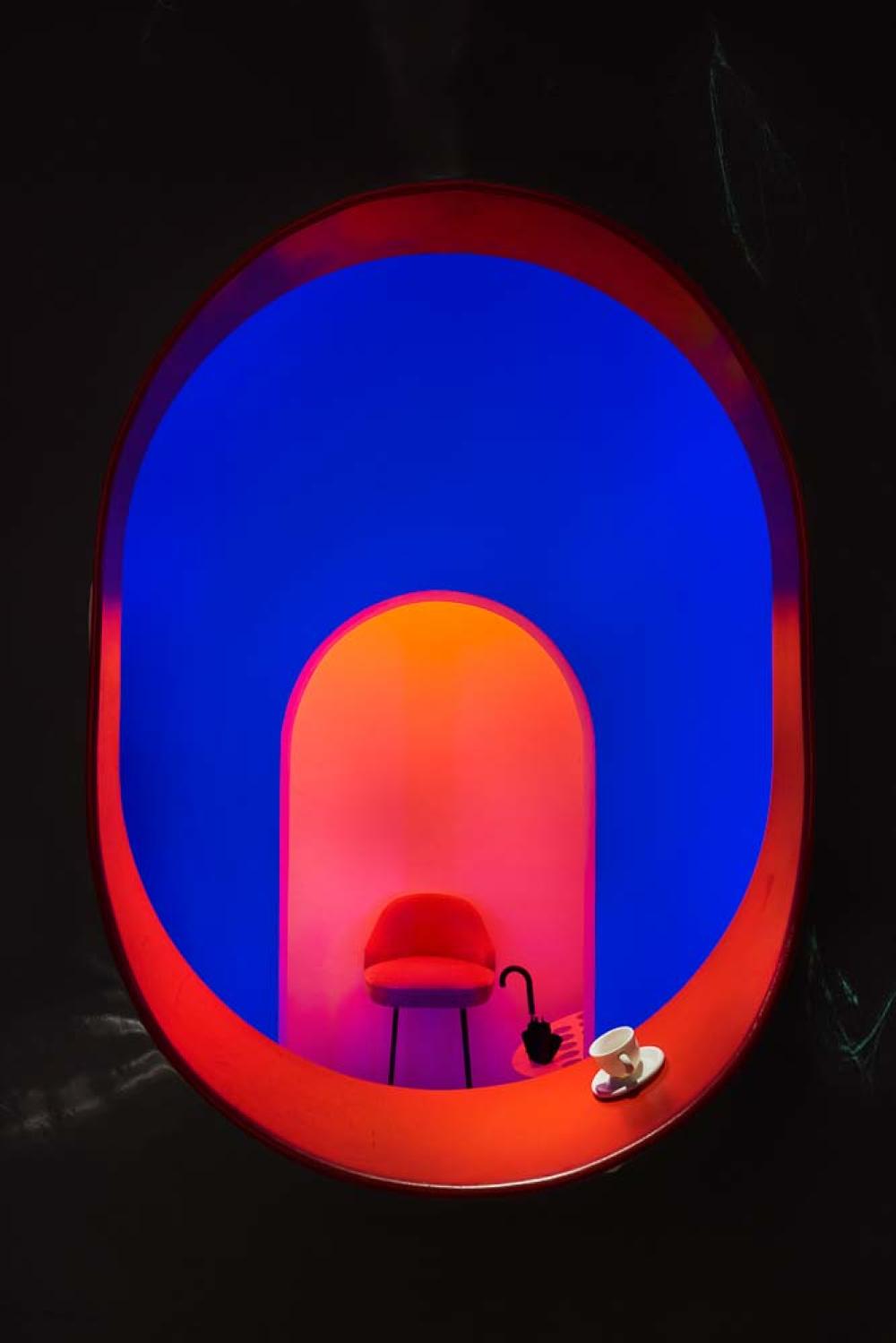
There are spaces that look perfect in photos but feel cold, distant or simply uncomfortable in reality.
Chairs that are visually striking but unpleasant for prolonged sitting. Lighting that creates the perfect image but makes conversation difficult. Music that supports the visual concept but not the rhythm of the experience.
These are subtle, yet essential details. Because a space is not experienced only through sight—but through the body, sound, scent and even the tempo of service.
When one of these elements is missing or subordinated to aesthetics, a gap emerges between expectation and reality.
And it is in that gap that a certain kind of disappointment is born—one that may be difficult to articulate, but is deeply felt.
What is particularly interesting is how our perception of a space is formed before we even visit it. We already have an idea of how it looks, what atmosphere it offers and even how we will experience it. That pre-formed image is often filtered, stylized and carefully curated.
When reality does not match that projection, a clash of expectations occurs. A place may still be beautiful, but if it does not align with the image we have already “accepted” online, it can feel as though something is missing.
On the other hand, there are those rare places that surpass their digital version. Spaces where photography cannot fully capture the experience—the warmth of light, the sound of conversation, the energy of people. Those are the places that leave the deepest impression.
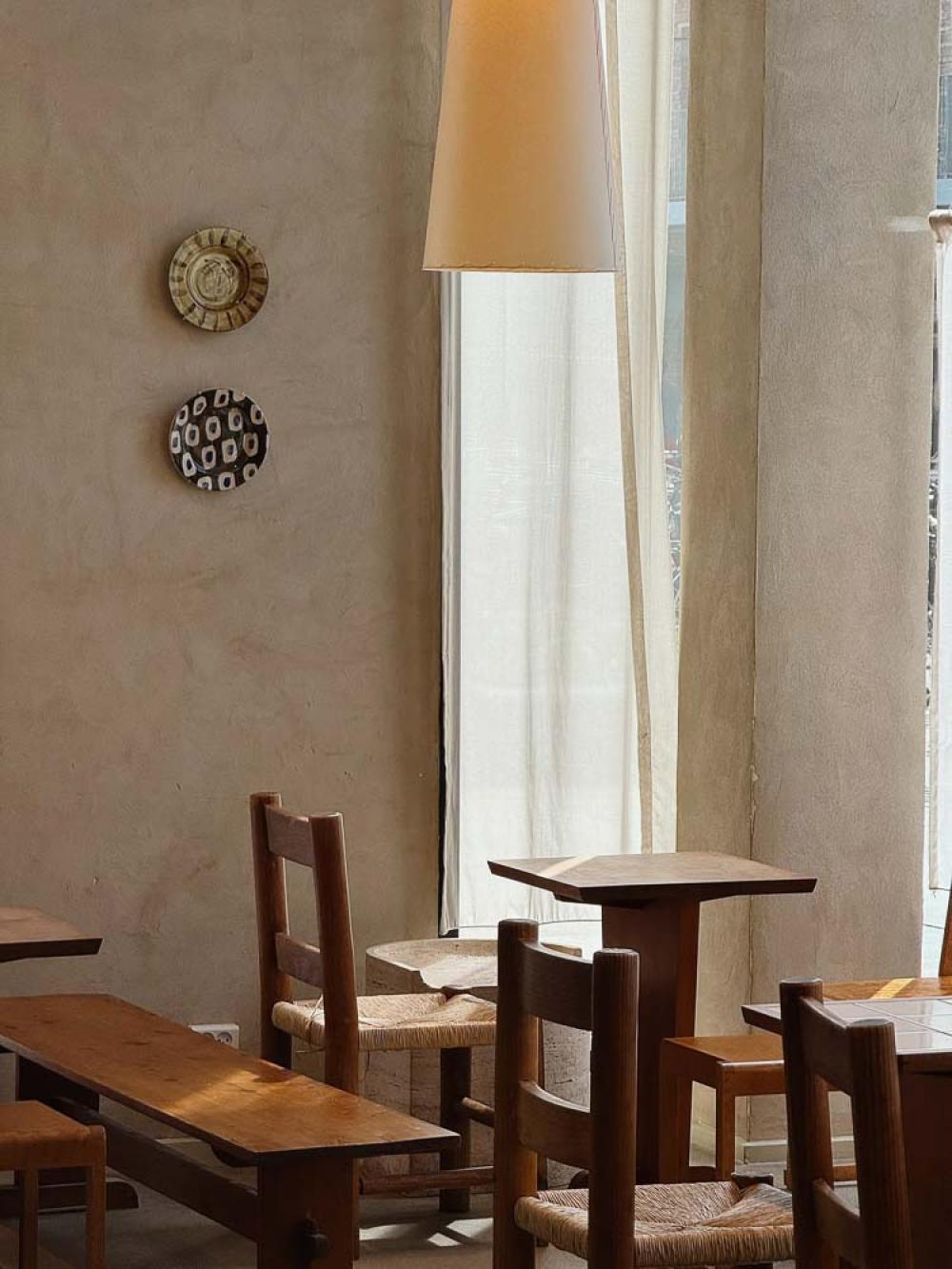
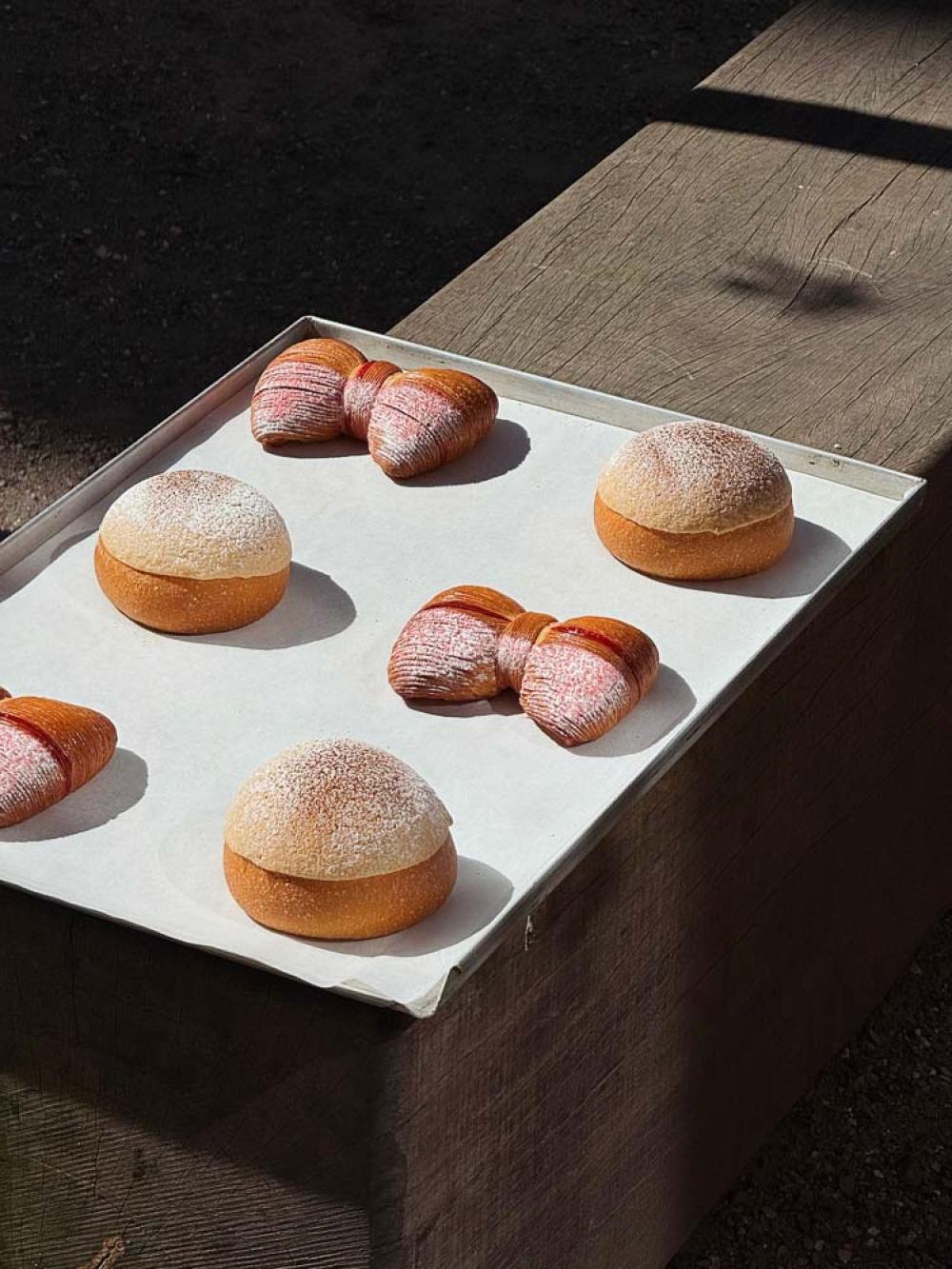
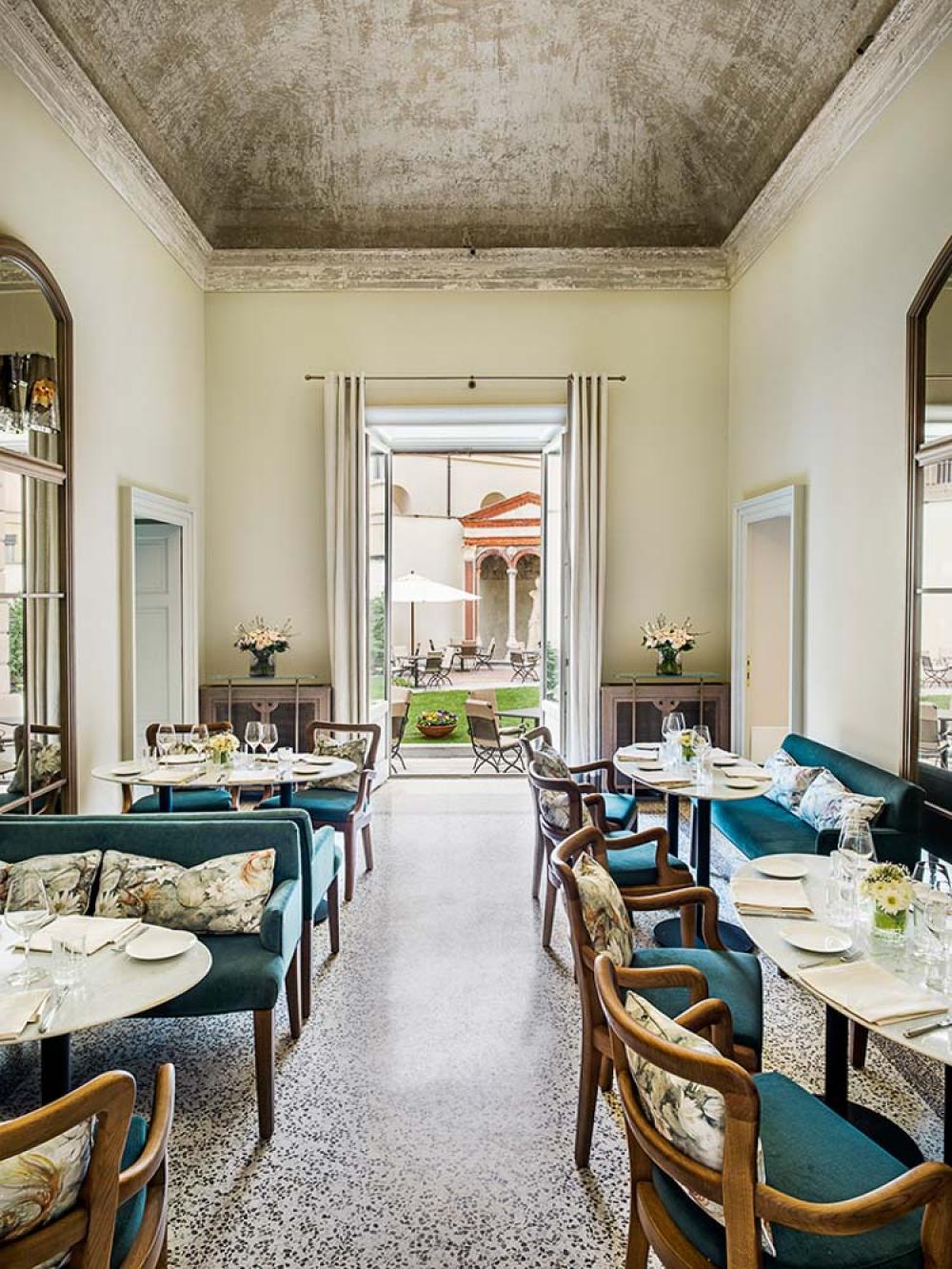
The most successful hospitality concepts today are those that find balance. Spaces that are visually appealing yet functional. That offer a frame worth sharing—but also an experience worth returning to.
This means aesthetics should never be an end in itself. It should support the experience, not define it. A chair should be beautiful, but also comfortable. Light should create atmosphere, but allow connection. Details should attract attention, but not demand it at all costs. In this sense, true luxury becomes almost invisible. It doesn’t impose itself—it is felt. It is a space where you don’t think about how you look in a photo, but how you feel while sitting there.
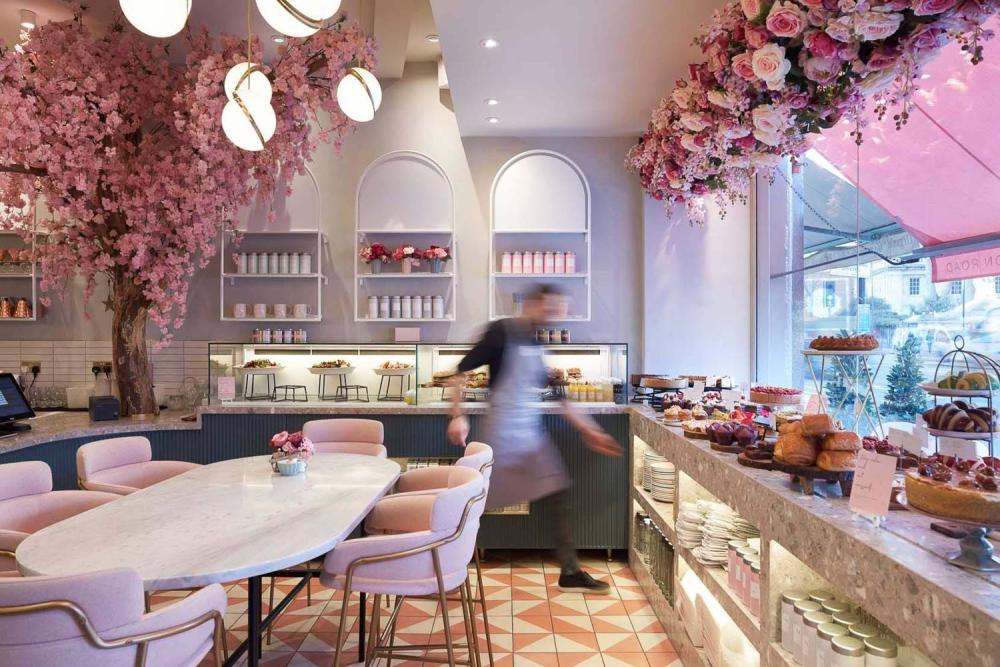
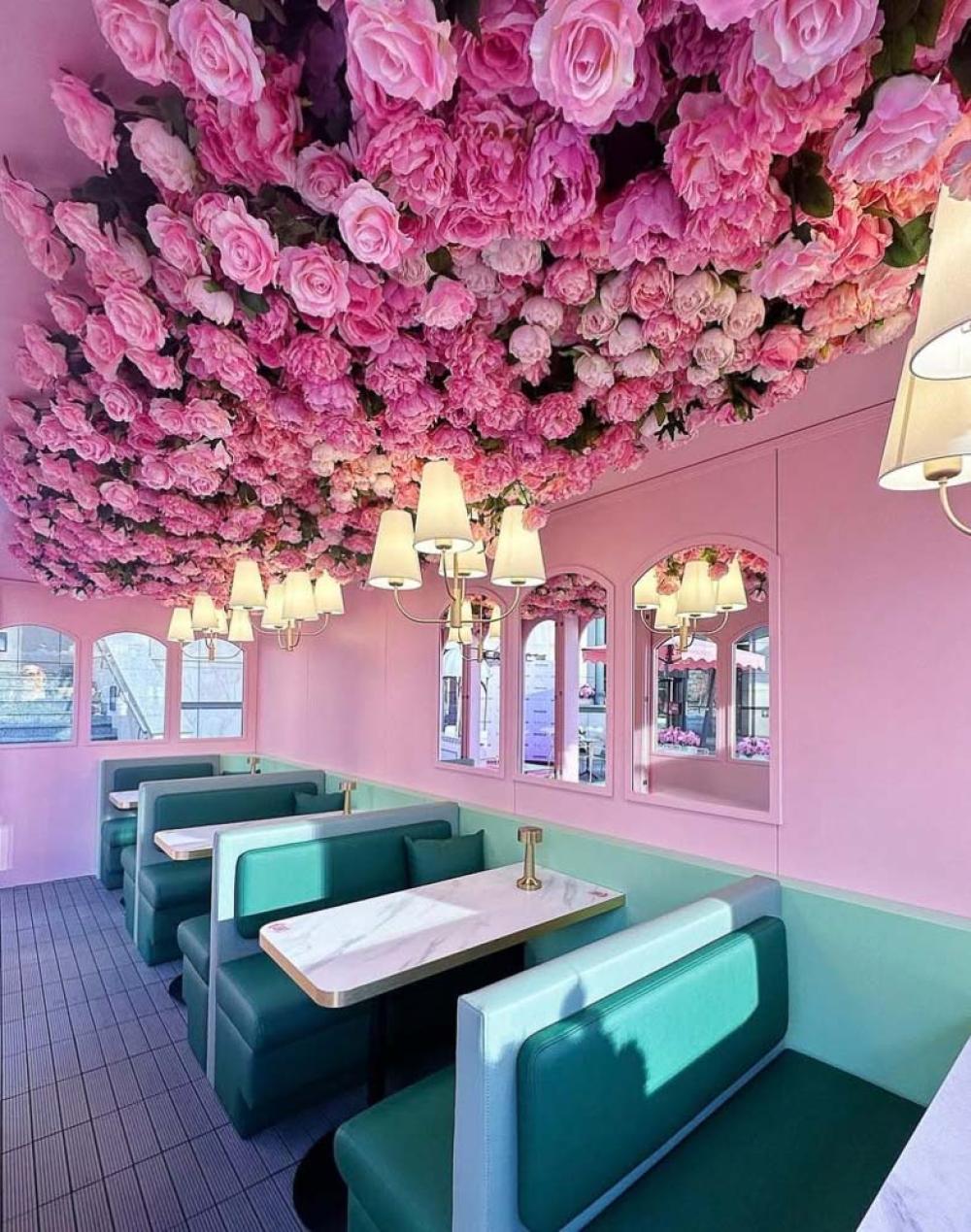
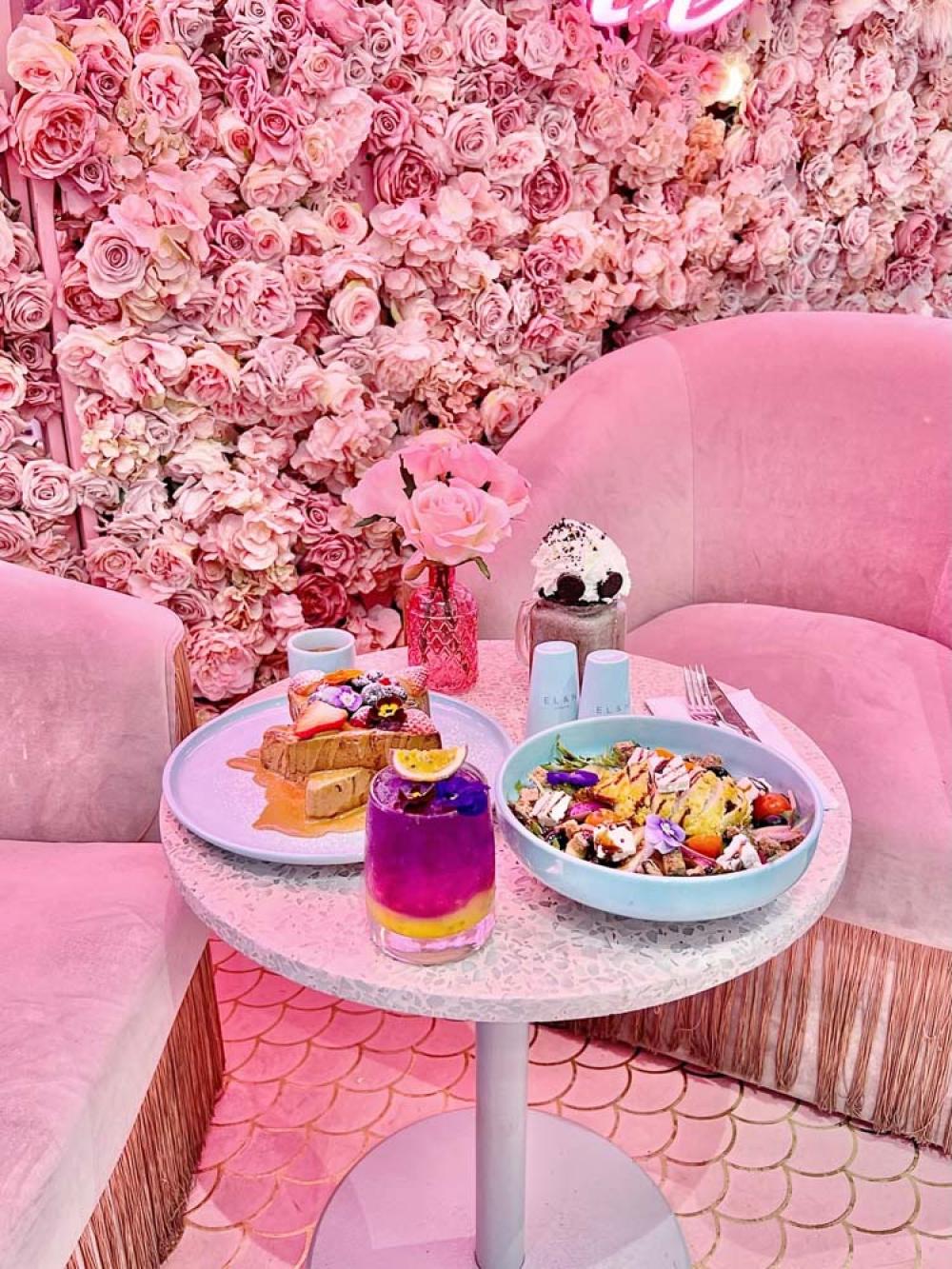
Perhaps the greatest paradox of contemporary design lies in the fact that, in the pursuit of the perfect image, it sometimes forgets the real guest.
And that guest—with their habits, needs and emotions—is the very reason a space exists. That is why authenticity is becoming increasingly valued. Spaces that are not perfect, but sincere. Places where not every corner is “photo-ready,” but where the atmosphere lingers. Because in the end, what remains is not the image on a screen—but the feeling we carry with us.
Today, the aesthetics of space exist between two dimensions: what is seen and what is experienced. Between Instagram and reality. Between the frame and the moment. And perhaps the real question is not whether venues are designed for photography or for living—but whether they can be both, without losing what matters most: a sense of place.
Because the most beautiful spaces are not those that look perfect in a picture—but those in which you forget to take one at all.