


After-sun culture is not just about skincare after sun exposure; it is a small space of pause where the day slows down and a vacation takes on its most intimate form. In those quiet minutes after the beach, between salt, a shower, body lotion and the evening light, we return to ourselves—calmer and more present.
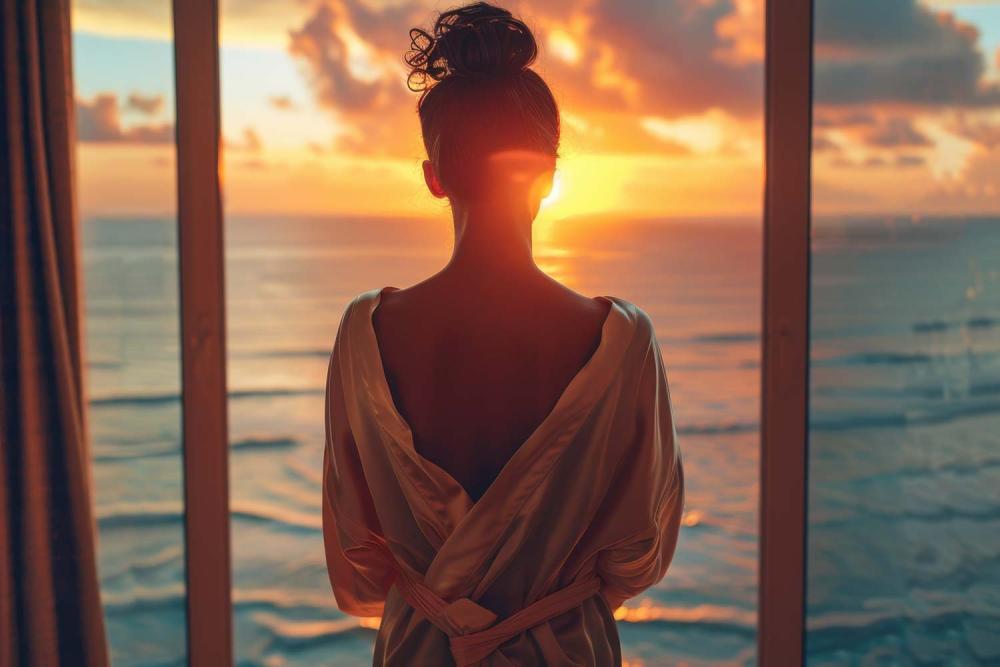
There is a part of the day at the seaside that often passes unnoticed, yet it shapes the entire feeling of a holiday. It is not the morning, when the beach bag is being packed, nor midday, when you are looking for shade, an extra sunbed or a place for lunch. It is not even the evening, when people head out for dinner, a stroll along the promenade or drinks by the sea. It is the time after the beach—the hour or two between returning from the sea and the first evening plans.
That is precisely when after-sun culture begins. Not as another TikTok label for something we have always done, but as a clearly recognizable summer moment in which showering after the beach, skincare, a cold drink, the silence of a room, an open balcony and deciding what to wear in the evening all merge into the part of the holiday that gives it style. It is not merely a break in the day but a transition that determines how we move from the sunny, salty and slightly exhausting rhythm of daytime into the evening.
Because summer does not happen only on the beach. It happens in the bathroom where swimsuits are drying, in the bag spilling sand onto the floor, in skin that craves hydration, in the refrigerator from which a bottle of cold water is taken, and in the mirror where we check whether the sun has left more colour than we intended. This post-beach period has a distinctive aesthetic: practical, intimate, understated, yet instantly recognizable.
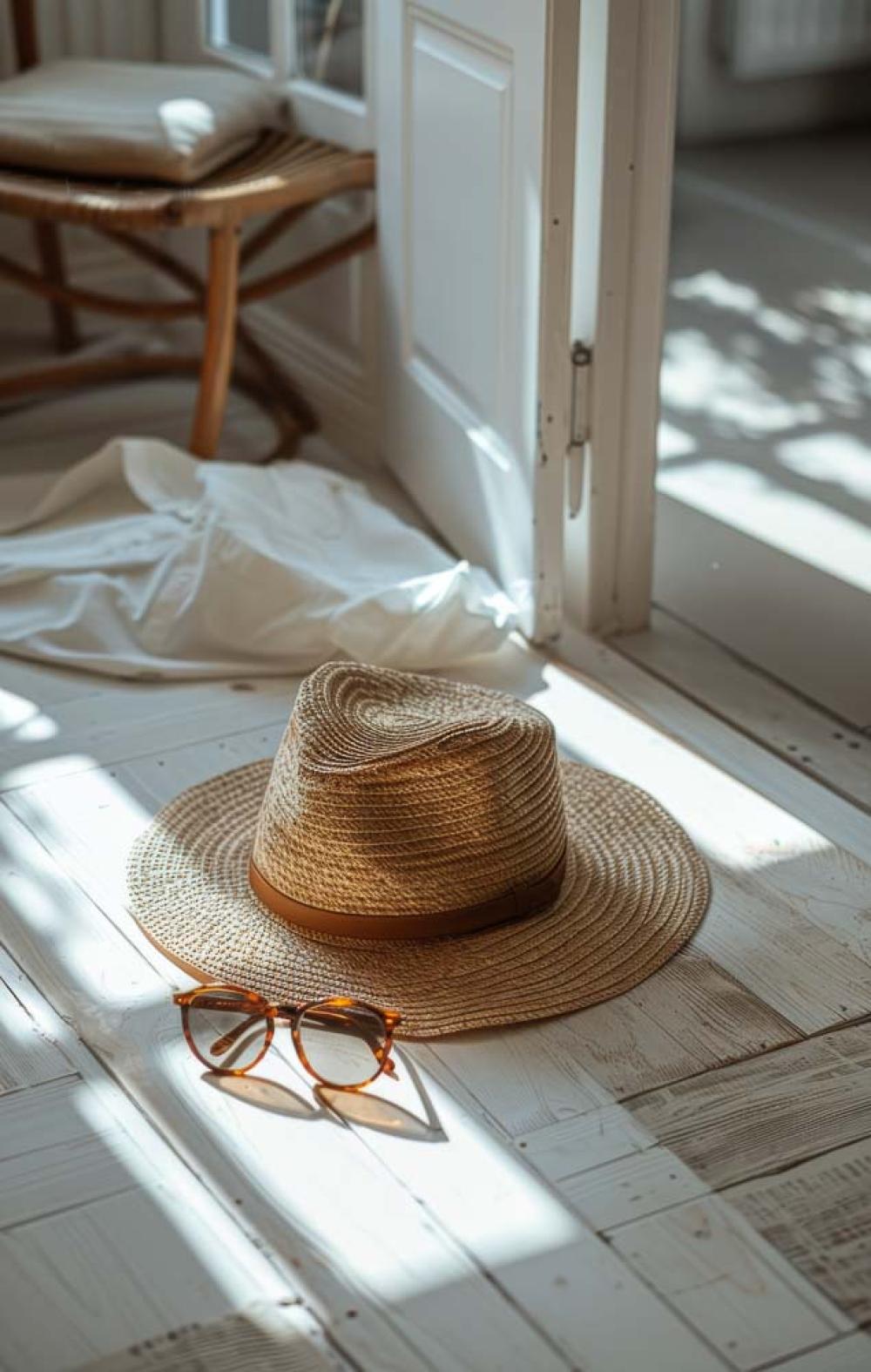

The after-sun routine begins simply: the swimsuit comes off, salt is rinsed from the hair, SPF, sweat and seawater are washed from the face, while the towel ends up draped over a chair, flip-flops by the door, and sunglasses somewhere on a table, still warm from the day. In those few ordinary movements, summer changes pace. The day is no longer exposed to sun, noise and motion, but enters a slower rhythm where the body cools down, the skin recovers, and sun-induced fatigue stops feeling like exhaustion and becomes part of the summer mood.
Then comes care—not as a complicated beauty ritual. In summer, no one has the patience for ten-step routines, so a good shower gel, a light body lotion or after-sun cream, lip balm, face cream and hair left to air dry are more than enough. The point is not perfection, but freshness, and ensuring that skin is not neglected after a day in the sun but treated as part of the overall holiday experience.
And perhaps that is the most important shift: after-sun is not only about caring for the skin, but about caring for the pace of life. Modern holidays often resemble a schedule packed with beaches, lunches, photographs, sunsets, dinners and nights out. Everything is beautiful, but everything demands presence, energy and organization. The time after the beach is a rare obligation-free zone, a moment when there is no need to immediately answer messages, choose a restaurant or think about where to go next. Instead, you can sit wrapped in a towel, sip cold water and allow the day to settle.

It is the moment that makes the difference between a holiday that is merely a change of location and one that truly changes your rhythm. If we rush straight into the next plan after the beach, the day remains just a series of activities. If we give it a pause, it gains atmosphere. And atmosphere is often what we remember most—not as one grand scene, but as a collection of small details that merge into the feeling of summer: the sound of a shower through an open bathroom door, the scent of body lotion, wet hair against bare shoulders, sunlight filtering through curtains, watermelon from the refrigerator, ice cubes clinking in a glass, and clothes scattered around a suitcase while deciding what feels light enough for the evening.
In that sense, after-sun culture is not new; we have simply given it a name. Throughout the Mediterranean, there has always been that period between the beach and dinner, a time when little is done but the day quietly changes. In seaside apartments and hotel rooms, on balconies with plastic chairs and terraces overlooking either a parking lot or the sea, everyone more or less does the same thing: showering, cooling down, applying lotion, eating fruit, washing swimsuits, resting from the sun and gradually easing into the evening.
The difference is that today we increasingly view this moment as part of a lifestyle, rather than a practical pause. After-sun has its own wardrobe—from a white shirt thrown over a swimsuit and linen trousers to a cotton dress, flat sandals, hair tied into a low ponytail or left wet and slicked back. It also has its own scents—aloe vera, coconut, citrus, clean skin and sea salt—as well as its own objects that always seem to appear in the frame: body lotion, a water bottle, a book that may never be opened, SPF left on the table, a small toiletry bag and sunglasses that are no longer needed but remain within reach.
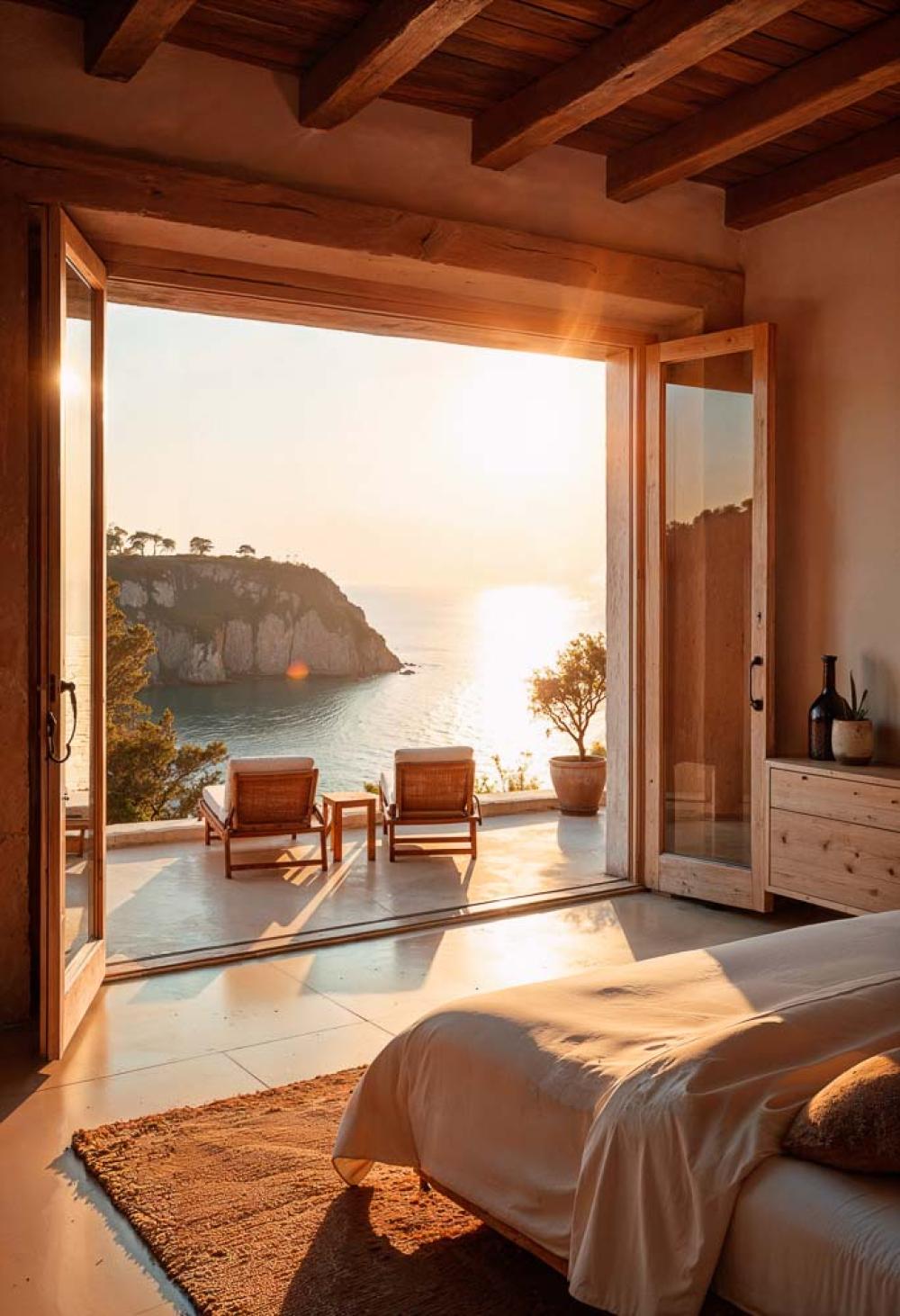
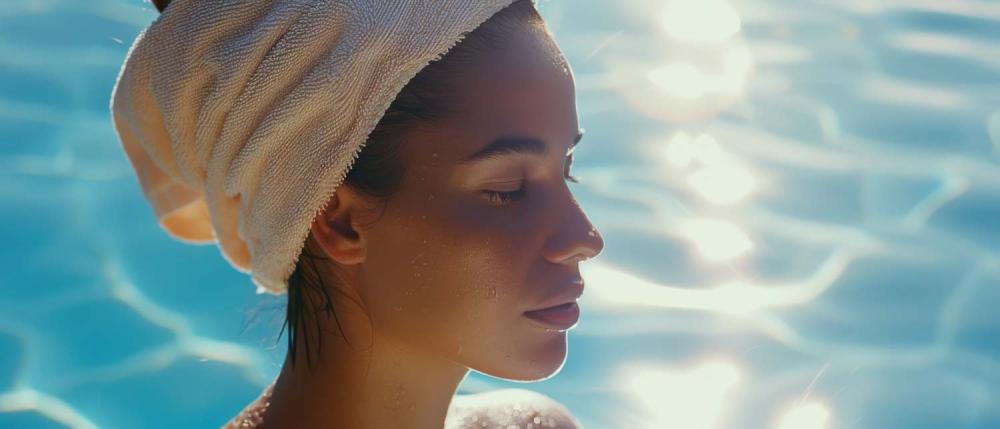
And it has one simple rule: nothing has to happen immediately.
Perhaps that is the greatest luxury of a holiday. Not because it implies a five-star hotel or a perfect terrace, but because it restores a sense of control over our own time. After the beach, we do not have to be instantly ready, available, polished, cheerful or photographed. We can create a space between the day and the evening, between the outside world and ourselves.
That is why this part of the day should not be underestimated. It is what gives a holiday continuity. The beach is the main scene, the evening is the outing, but after-sun is the bridge between them—the part that sets the tone. Without it, summer can easily become exhaustion in a beautiful setting. With it, it gains structure: sun, water, pause, care, evening.
The point is not to turn it into a ceremony. On the contrary, the best after-sun moments are simple and slightly messy: a swimsuit drying on a door handle, lotion leaving traces on sun-kissed shoulders, hair refusing to cooperate, a half-empty bottle of mineral water, a phone charging in the corner and the sound of a town preparing for the night. Someone in the neighbouring apartment is blow-drying their hair, someone else is just returning from the beach, and everything feels familiar, ordinary and therefore perfectly summery.
In the end, after-sun culture is a reminder that a holiday is not only about what we plan, but also about what we leave unplanned. That hour after the beach does not have to be productive, eventful or especially photogenic. It only needs to be ours—to rinse off the salt, nourish the skin, drink some water, open a window and decide that the evening can wait a little longer.
Because sometimes the best part of summer does not happen on the beach, at a restaurant table or in a photograph of a sunset. It happens in between—in that moment when we return from the sea, close the door, set down the beach bag and, for the first time that day, truly slow down.