


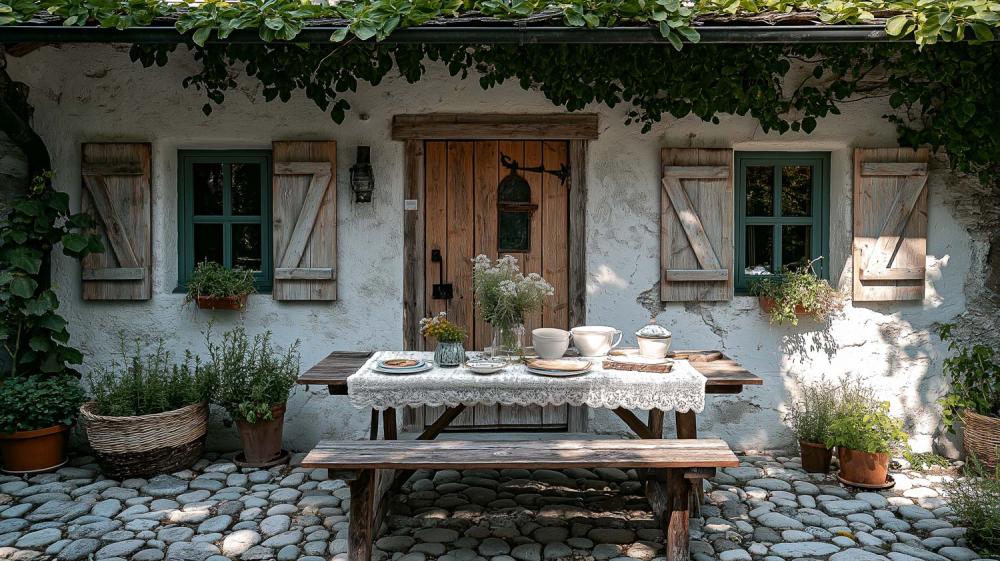
While the coast lives to the rhythm of reservations, queues and loud music, the village is increasingly becoming a place quietly longed for. In the shade of a walnut tree, with homemade juice, an old stone house and a view that needs no filter, summer takes on a slower, gentler rhythm. The new luxury is not necessarily found in perfect service and the front row by the sea, but in space, peace and the feeling that, if only for a moment, we are truly present.
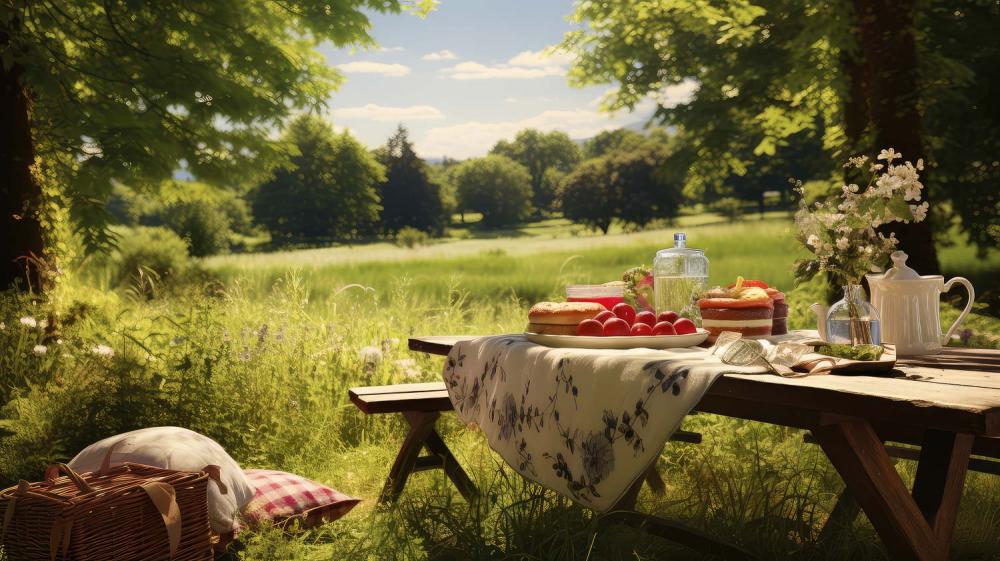
Once, we measured summer by how close we were to the sea, by the number of rows of sun loungers, the volume of the music and how “in” the beach bar was. Today, more and more often, true luxury begins where the signal grows a little weaker, where the day is not planned around a dinner reservation, but around the moment when the sun moves across the canopy of a walnut tree. Where, instead of a signature cocktail, homemade elderflower juice arrives, and instead of a beach club — shade in the courtyard of an old house.
The village has quietly returned to the map of the most desirable summer places. Not as an escape from reality, nor as a romantic postcard from some distant past, but as a response to the fatigue we carry with us. Fatigue from crowds, noise, parking, waiting, the same menus, the same sun loungers, the same photographs from different beaches. In a world where almost every summer holiday has begun to resemble the next, the village offers something rare: the feeling that we have truly arrived somewhere.
Luxury, it seems, has changed. It is no longer always found in shine, service and a flawless interior. Sometimes it is in silence that lasts longer than a few minutes. In shade that has not been bought, but simply found. In a stone wall that remembers more summers than we can count. In a wooden chair that creaks, but has character precisely because of it. In a view that has no filter, because it does not need one.
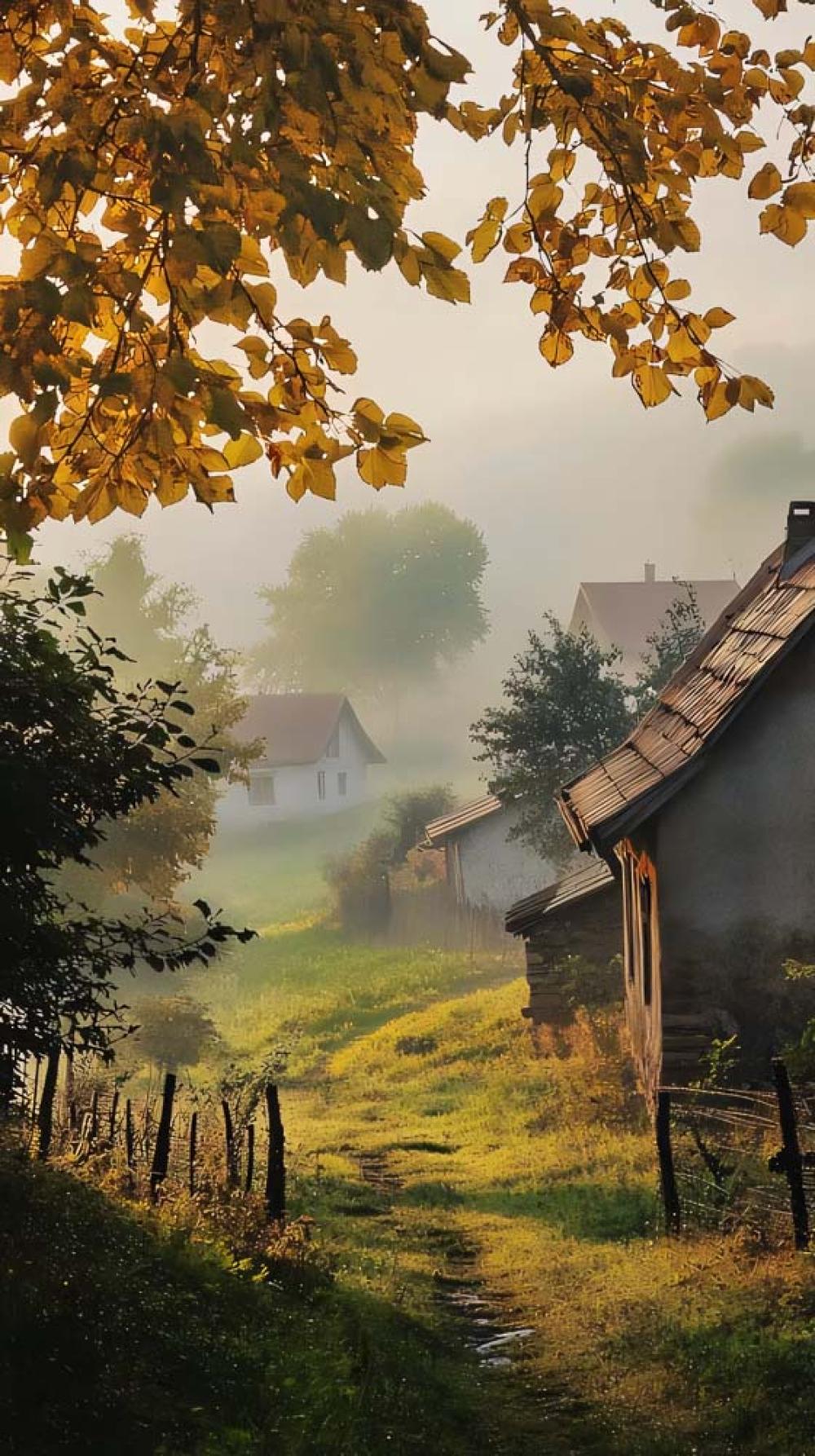
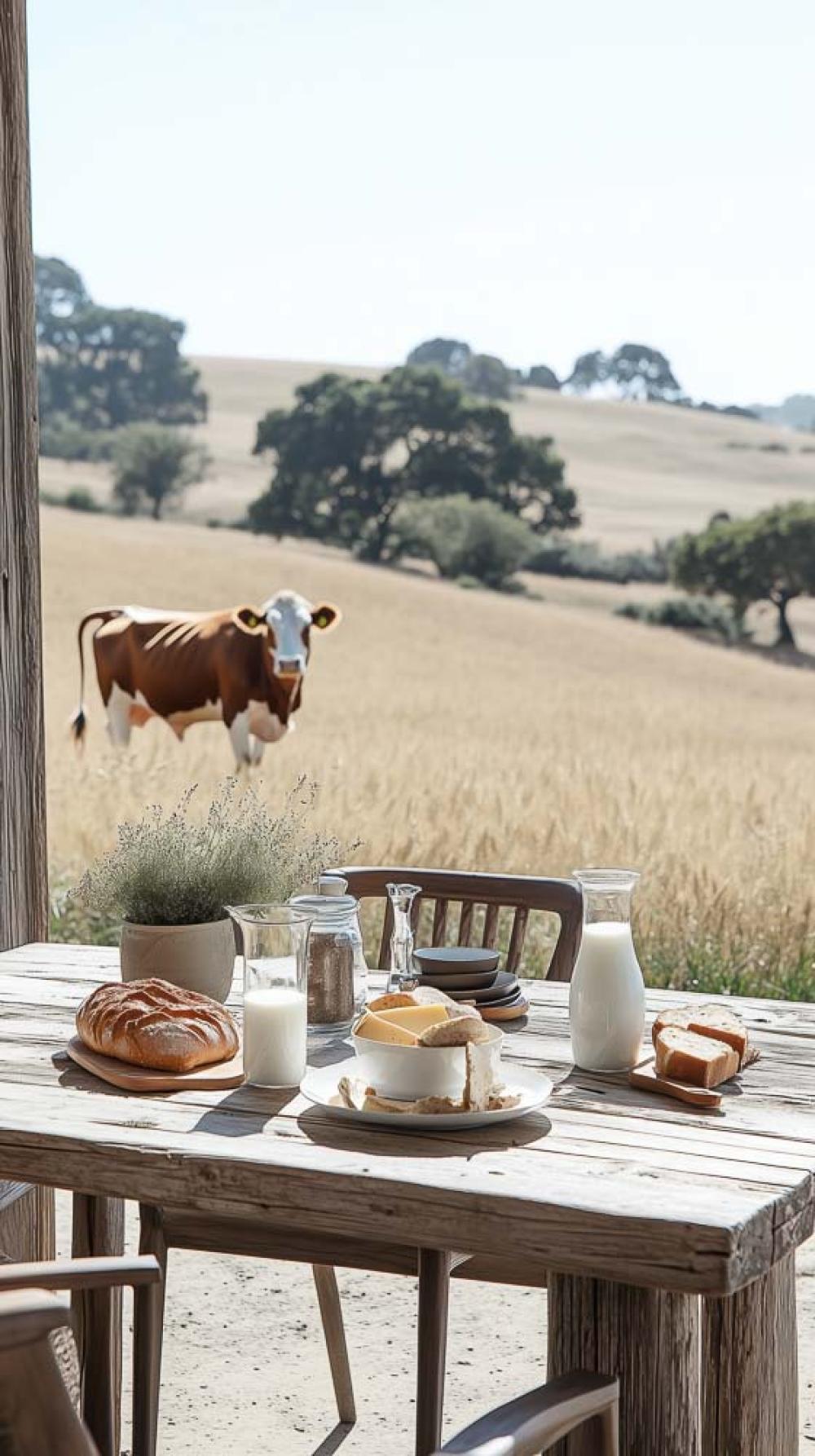
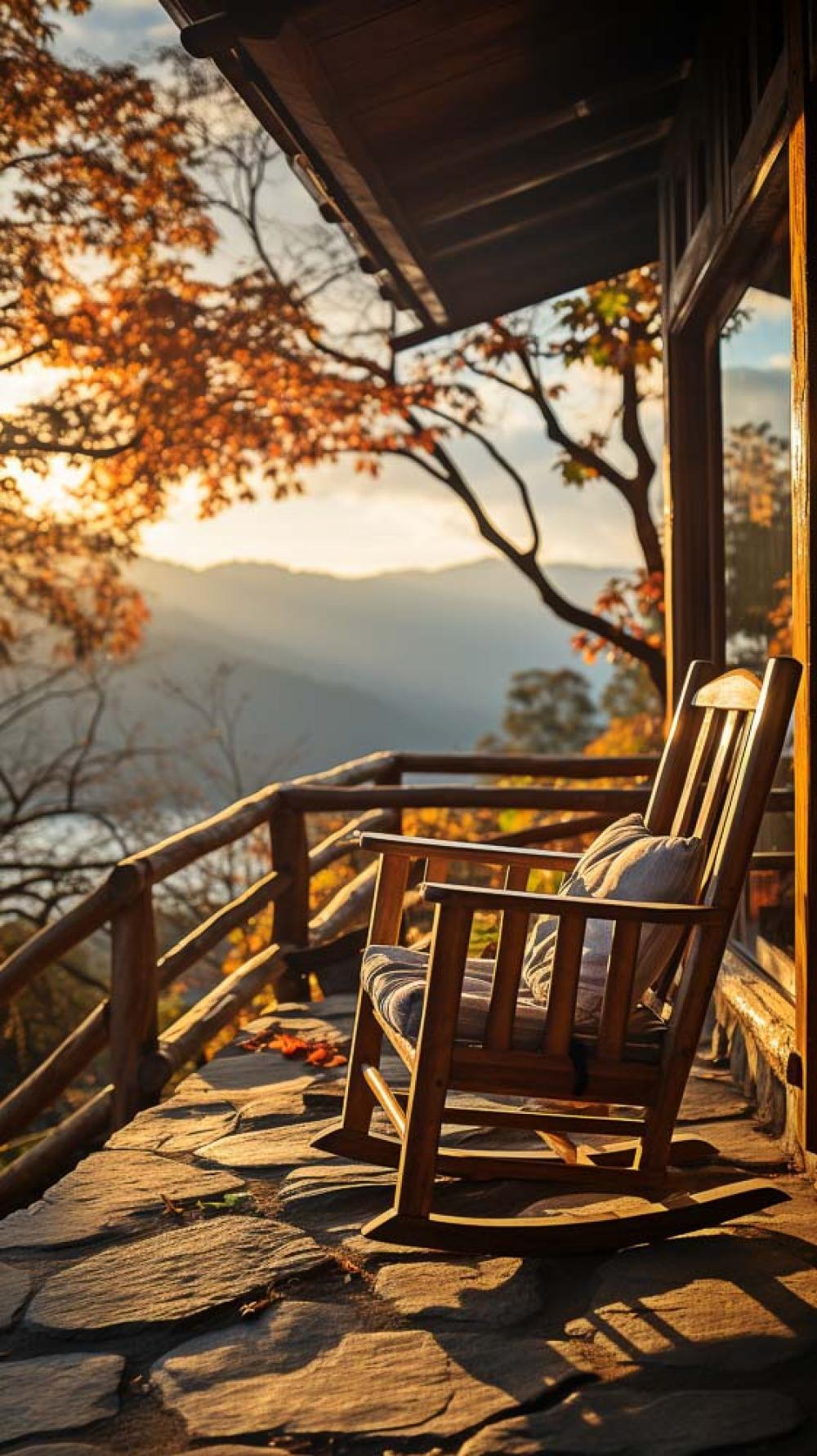
In summer, the village has a special rhythm. Mornings begin earlier, but without haste. The air is fresher, coffee is sipped more slowly, and the day opens with sounds that do not demand attention — a rooster in the distance, the rustling of leaves, footsteps on gravel, someone calling from a neighboring yard. Noon does not call for action, but for retreating into the shade. And right there, beneath a walnut tree, a fig tree or a grapevine, the summer luxury of a new generation is born: a lounger in the grass, a book read without checking the phone, a plate of watermelon, a glass of cold water from the well or juice that smells like childhood.
The point is not to idealize the village. The village is not a backdrop. It has its chores, its dust, a silence that may feel too loud to some, and a simplicity that is not always easy. But that is exactly why it feels true. It has no need to pretend. There is no scenery created only for guests. The beauty lies in the fact that things are not perfectly matched: the table may be old, the glasses may not belong to the same set, the path may not be paved, but everything has soul. And soul may be the rarest form of comfort today.
While the coast in July and August often becomes a race for a spot, shade, parking and attention, the village offers space. Not only physical space, but inner space too. Space to breathe, to not have to do anything in particular, to let lunch stretch on, to sleep through the afternoon, to let a conversation continue even after the topic has disappeared. In the village, time is not an enemy that must be filled with activities. It is an ally. It stretches across the day like a white sheet on a clothesline, gently and without pressure.
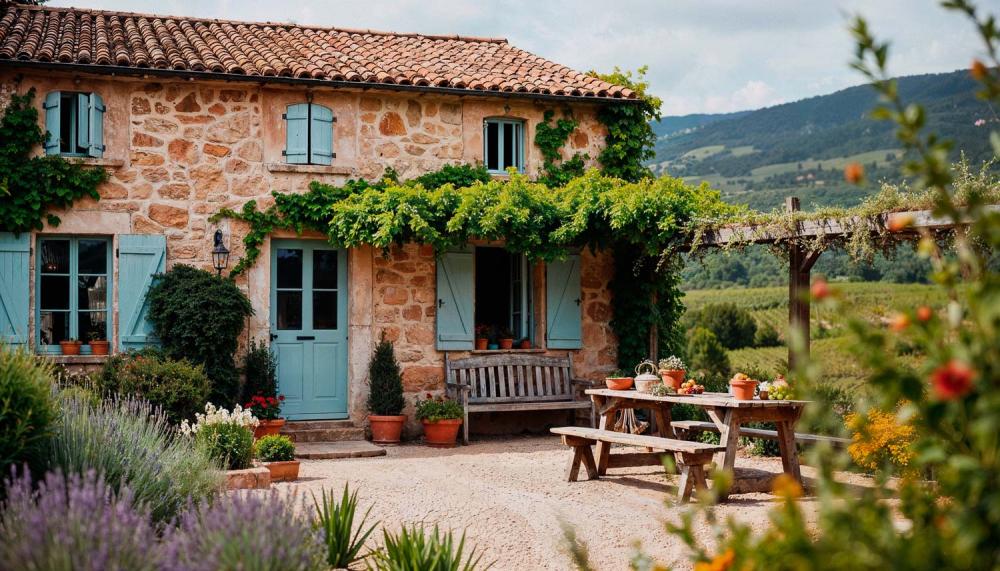
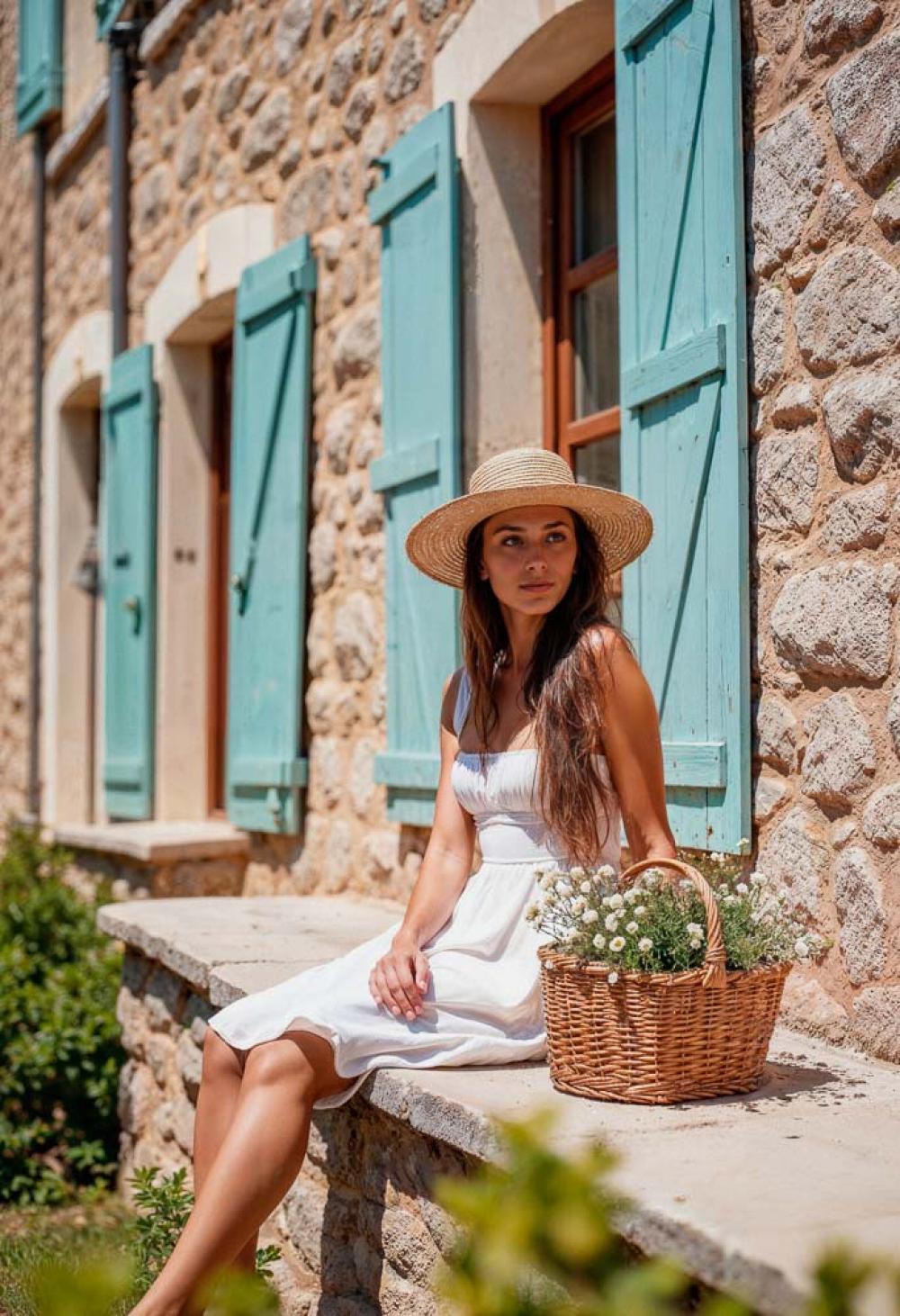
Perhaps that is why more and more people dream of an old stone house, even if only for a few days. Of a courtyard where meals are eaten outdoors, of an improvised corner for rest, of a pool made from a stone trough or a small tub beneath the open sky. Of string lights hung between two trees, of a dinner where the most important thing is that the tomato tastes like a tomato, and the bread has a crust that crackles. Of a night in which, instead of the bass from a club, crickets can be heard.
This is not a return to the past, but perhaps a step closer to ourselves. Because the luxury of the village is not in giving us more, but in taking away the excess. Less noise, fewer choices, less need to prove ourselves. More shade, more scents, more flavor, more presence. In the village, you do not have to look like you are on holiday. It is enough to truly rest.
There is not much spectacle in this new summer luxury. No red carpet, no guest list, no perfectly chilled champagne arriving with fireworks. There is homemade cheese, figs, rakija “just to try,” conversations with people who are not in a hurry, and views of hills that turn golden at dusk. There is that moment when you realize you have not looked at the clock for hours — and that you have missed nothing.
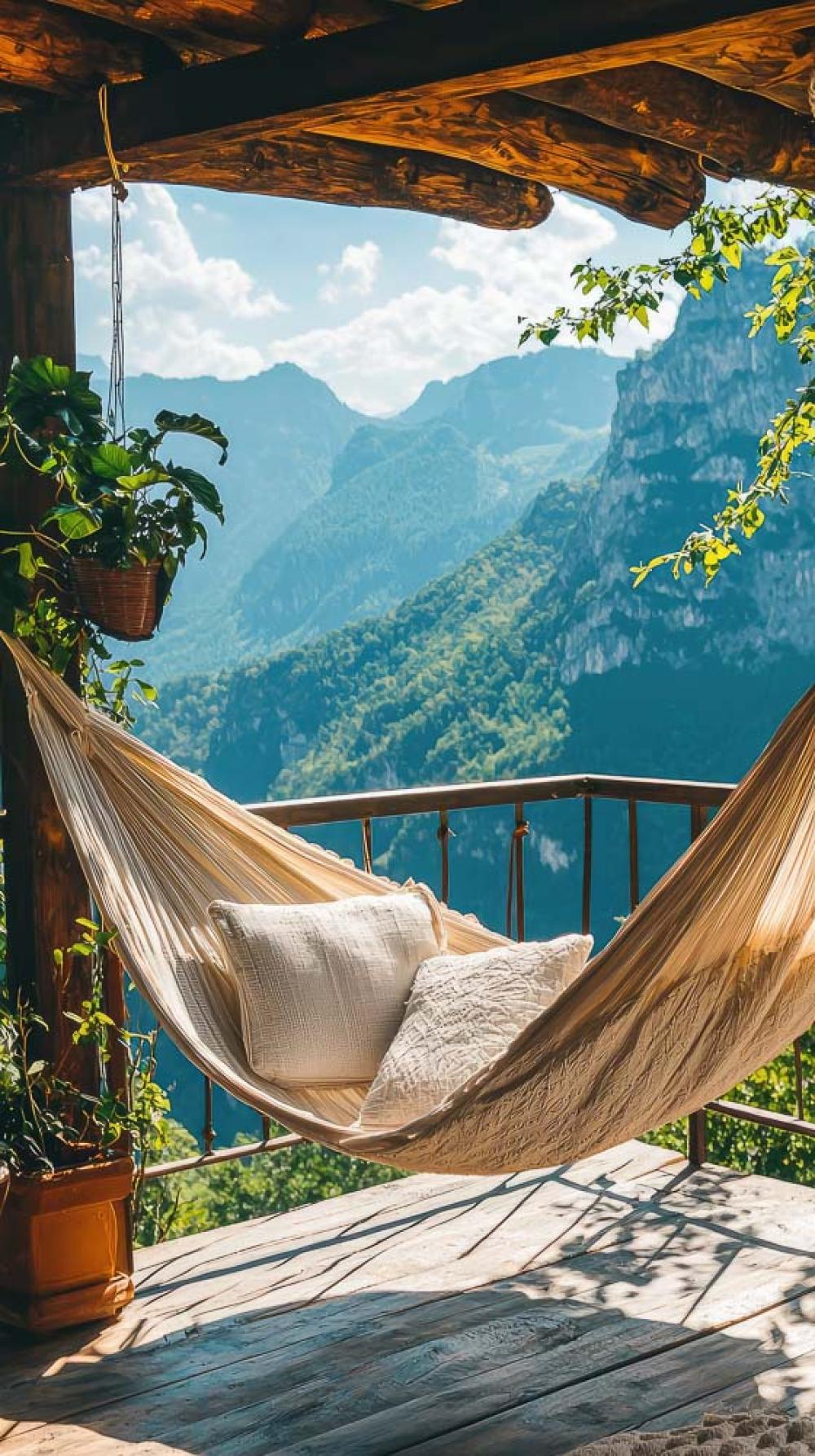
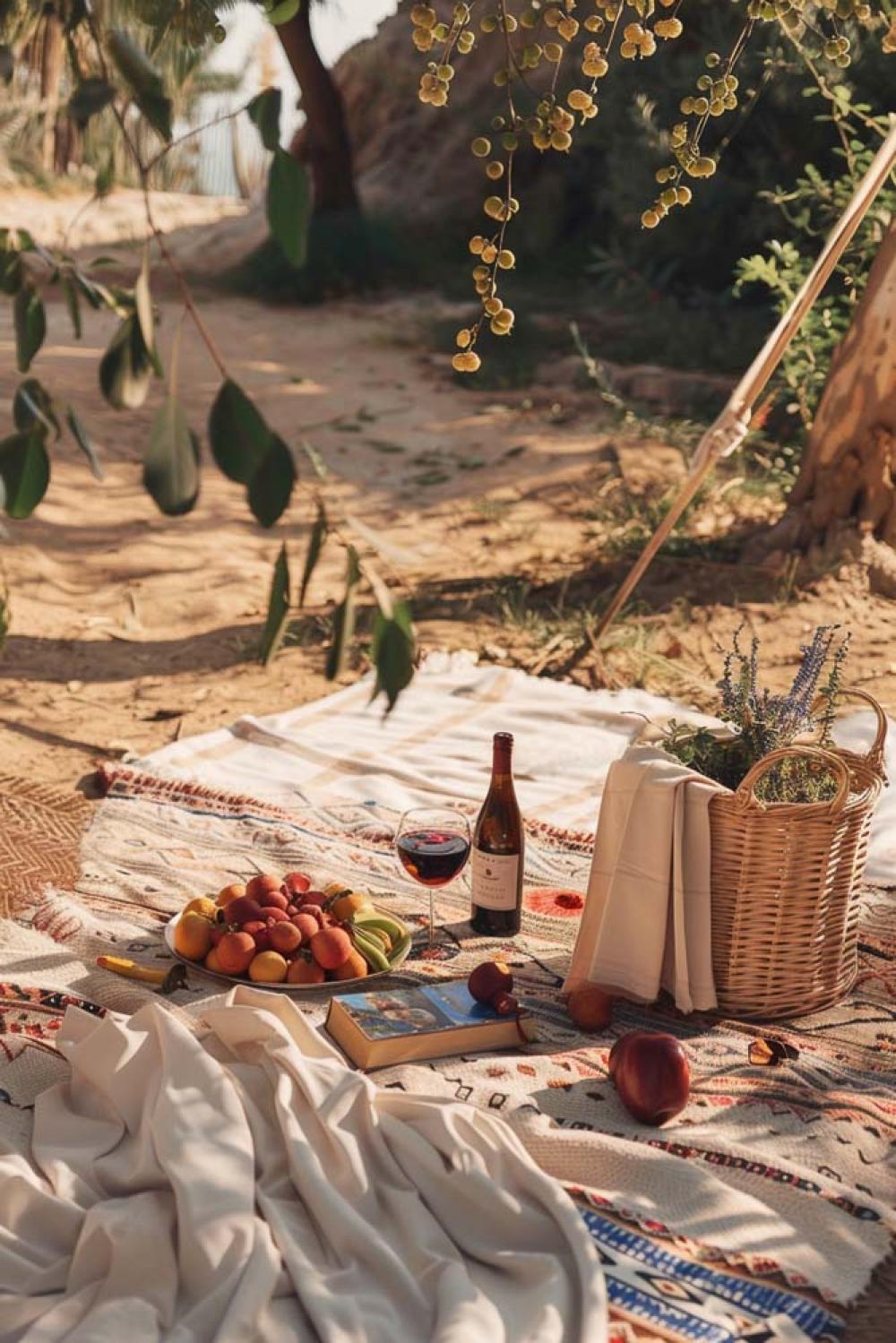
The village reminds us that summer does not have to be consumed in order to be fulfilling. That rest is not always in the destination, but in the way we surrender to it. That shade beneath a walnut tree can be just as desirable as a reserved sun lounger in the front row by the sea, if not more so. Because the sea refreshes us, but silence sometimes renews us.
Perhaps this very summer, the most beautiful stories will be told far from the promenades. In courtyards where tables are not cleared until late, where glasses are filled with homemade juice, where feet are propped up on a chair and the gaze drifts across stone, vineyards and hills. Where summer does not shout that it is special. It simply lasts. And in that simplicity, unobtrusive and warm, lies the luxury we may have forgotten most — peace.





.jpg)