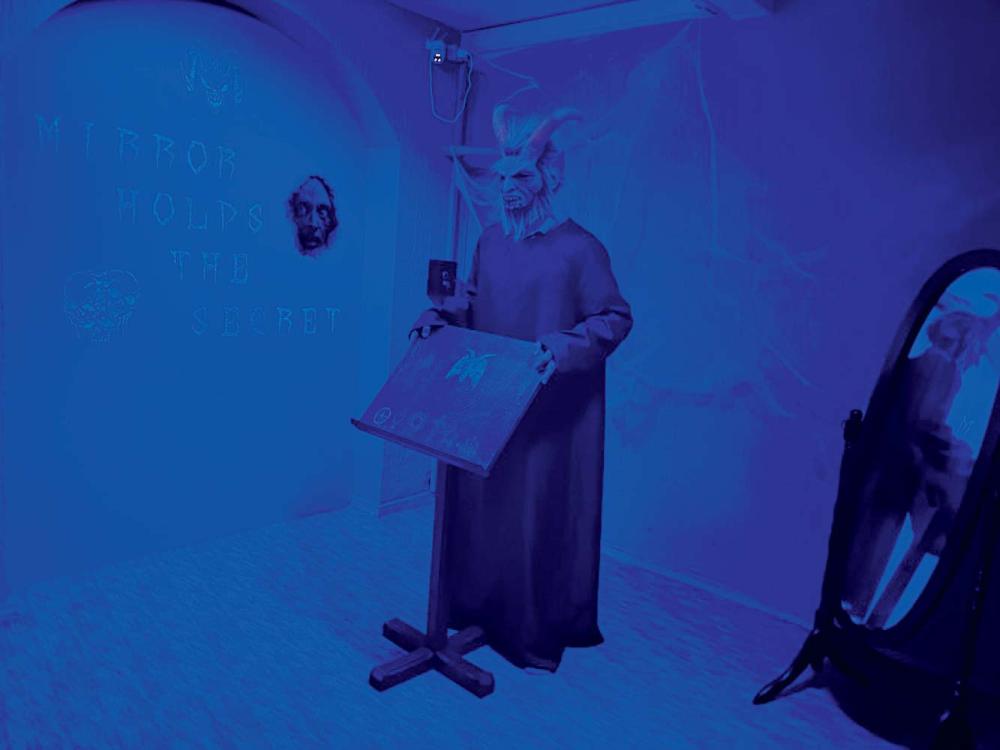
At Kripteks, there is no audience, only players. Behind closed doors, clues, uncertainty and a horror atmosphere await, but the real challenge may not be finding the way out — it may be discovering just how well you know the people you entered with.
The door closes. The clock starts counting down. Suddenly, every object in the room seems to be hiding something, every shadow becomes suspicious, and things you would normally ignore without a second thought take on an entirely different meaning. You have 60 minutes, a team of two to six people and one task: connect the clues, solve the puzzles and find the way out before time runs out. This is how Kripteks begins, a Podgorica escape room on Slobode Street, designed as a horror experience in which the visitor is not an observer, but part of the story.
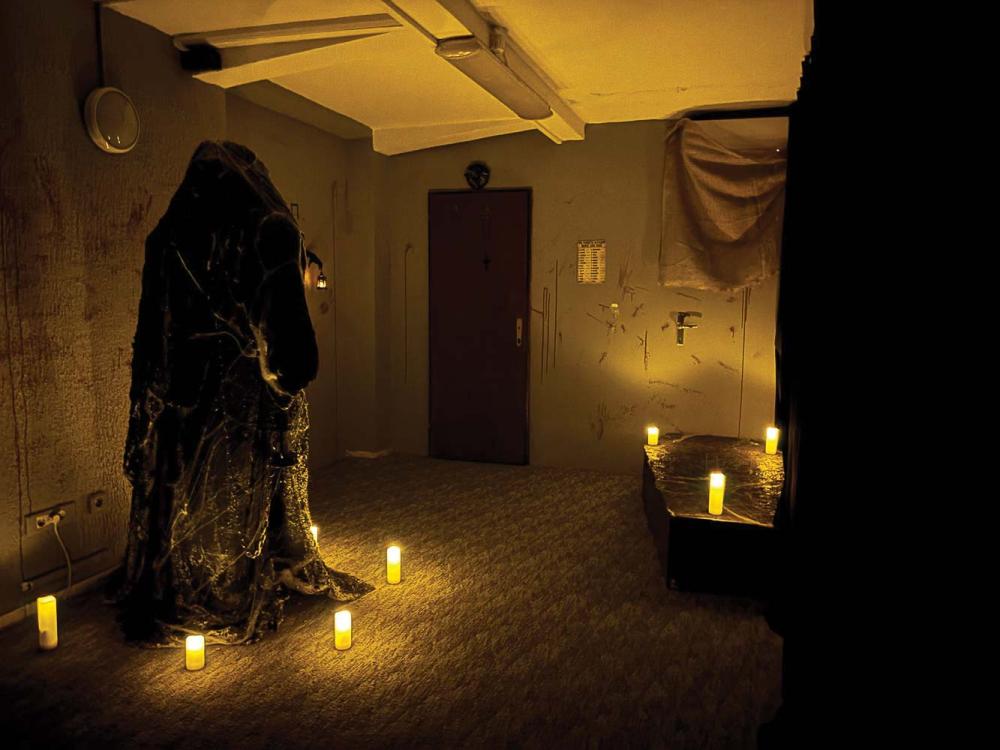
Behind Kripteks is a team of young people from Podgorica who share a love of mysteries, puzzles and slightly different forms of entertainment. The idea grew out of a very simple observation: the city lacked activities that could offer an alternative to conventional nights out, particularly for a younger audience.
Instead of creating yet another place where people arrive, sit down and watch what is happening around them, they wanted a space where visitors actively participate. An escape room offered the perfect combination — socialising, logic, a little adrenaline and a game in which the outcome depends on the entire team.
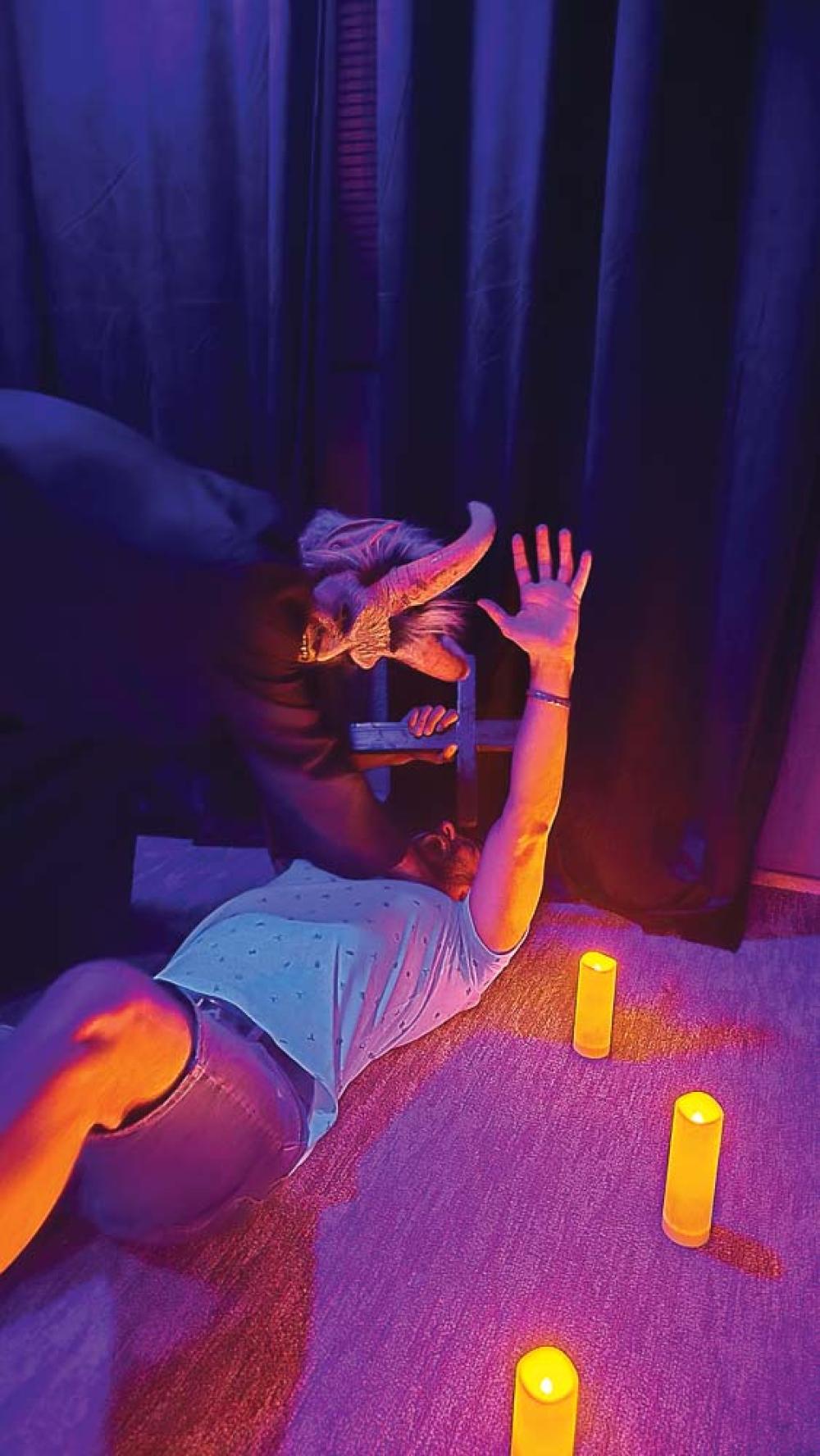
The horror element was not an afterthought. From the very beginning, the Kripteks team says, they wanted their first room to leave a strong impression. Fear and uncertainty are therefore not merely decoration surrounding the puzzles, but an integral part of the experience. Still, the plan is not for Kripteks to remain in the dark forever: they are also considering rooms with different themes in the future.
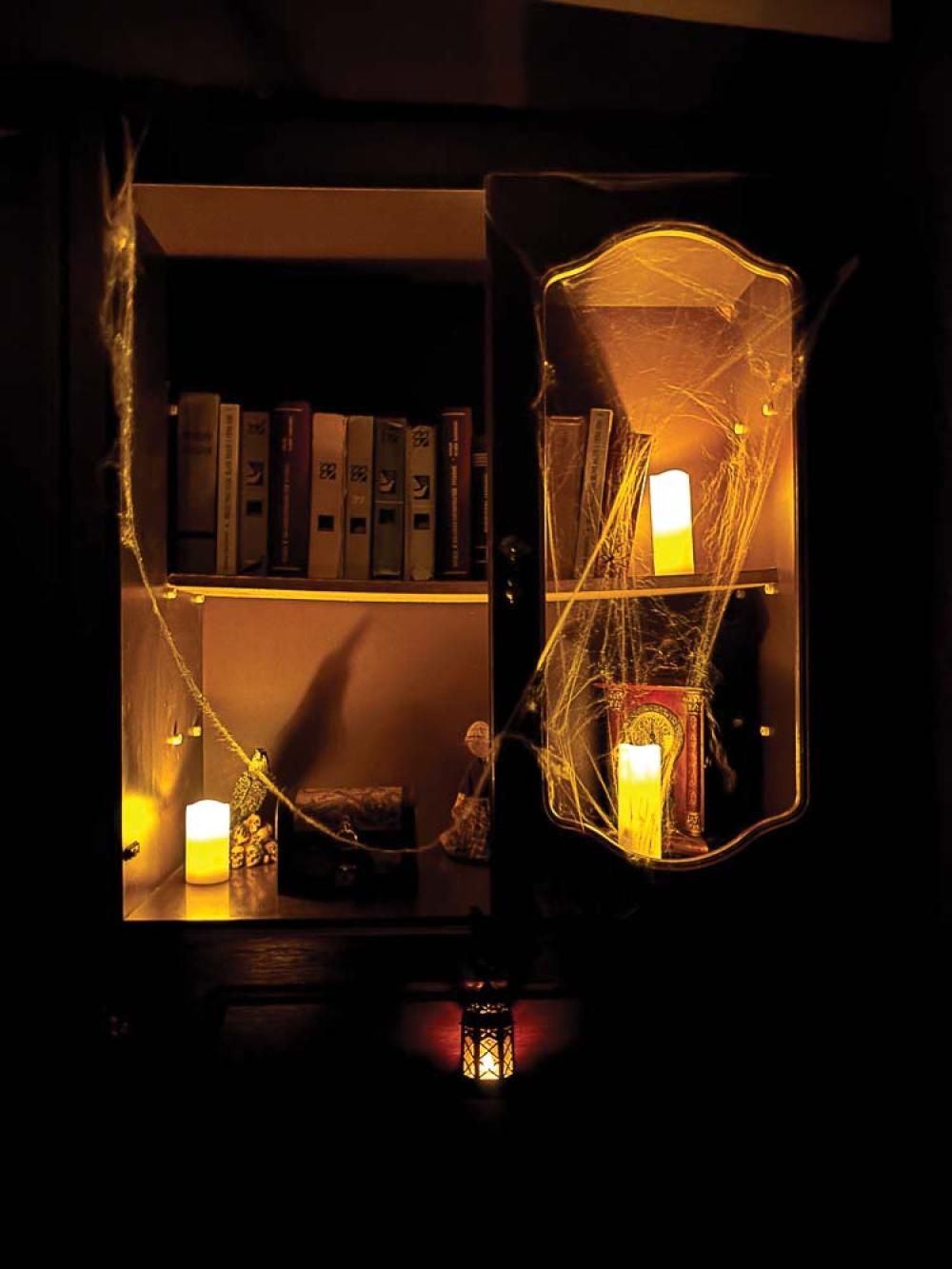
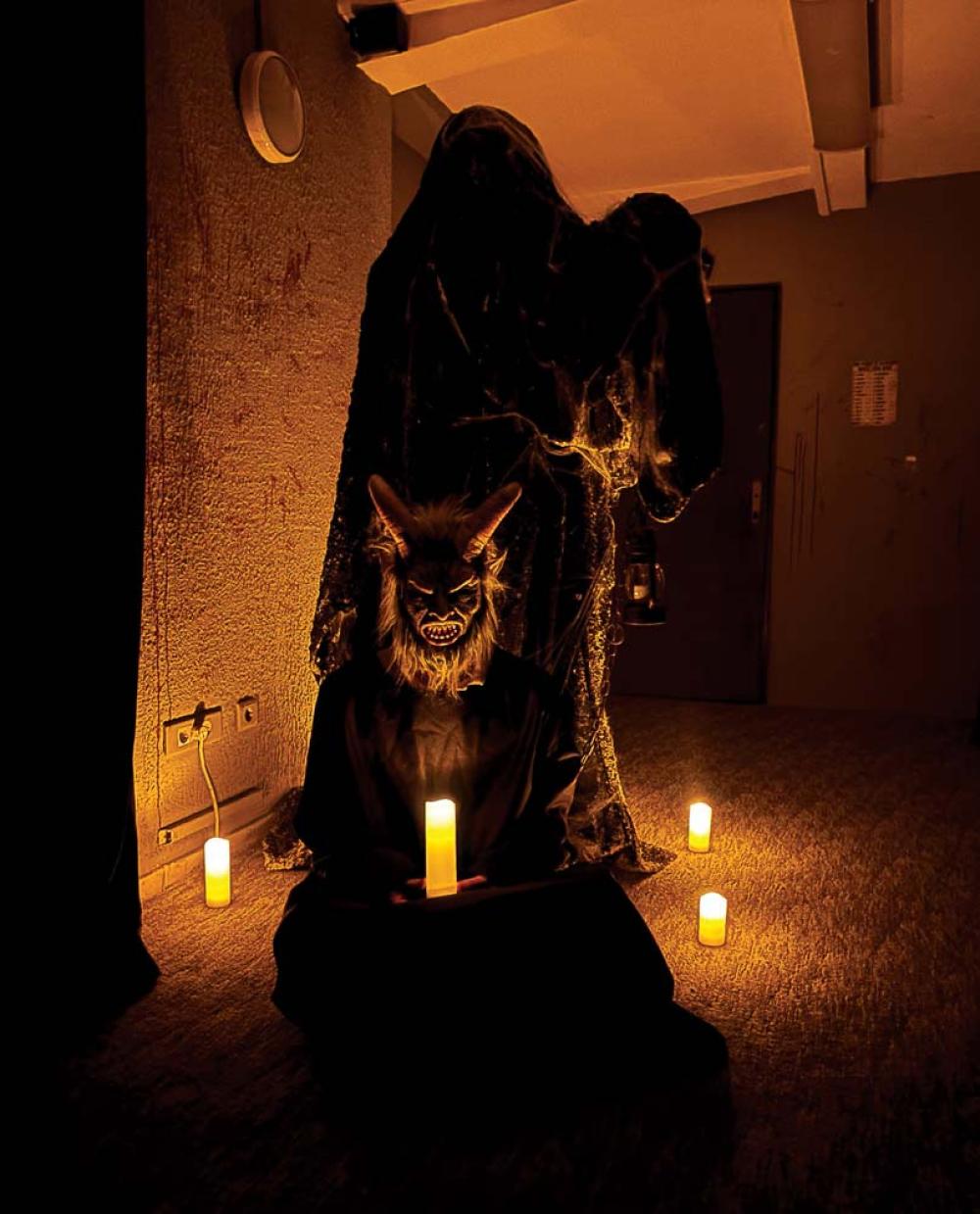
Perhaps the most interesting thing is that some of what happens inside the room is not actually in the room at all. The set design creates the atmosphere, but imagination often does the rest. The Kripteks team says that, under the influence of the setting and tension, players sometimes become convinced that they have seen or heard something — even though there was actually nothing there. When you are expecting something to jump out of the darkness, it seems the mind is perfectly capable of writing the next part of the script all by itself.
Yet the greatest challenge for the creators was not building the atmosphere, but designing the puzzles. Since many people in Podgorica had never experienced an escape room before, they had to find the right balance: difficult enough to make the game exciting, but not so difficult that the team runs out of ideas about what to do next after only a few minutes.
Before opening, they tested the room with around ten teams of friends. That was when they discovered one of the fundamental rules of games like these — what seems obvious to the creator very often is not obvious to the player. Some puzzles they expected to be easy turned out to be a serious challenge, while others were solved much faster than anticipated. Those test runs helped them balance the game.
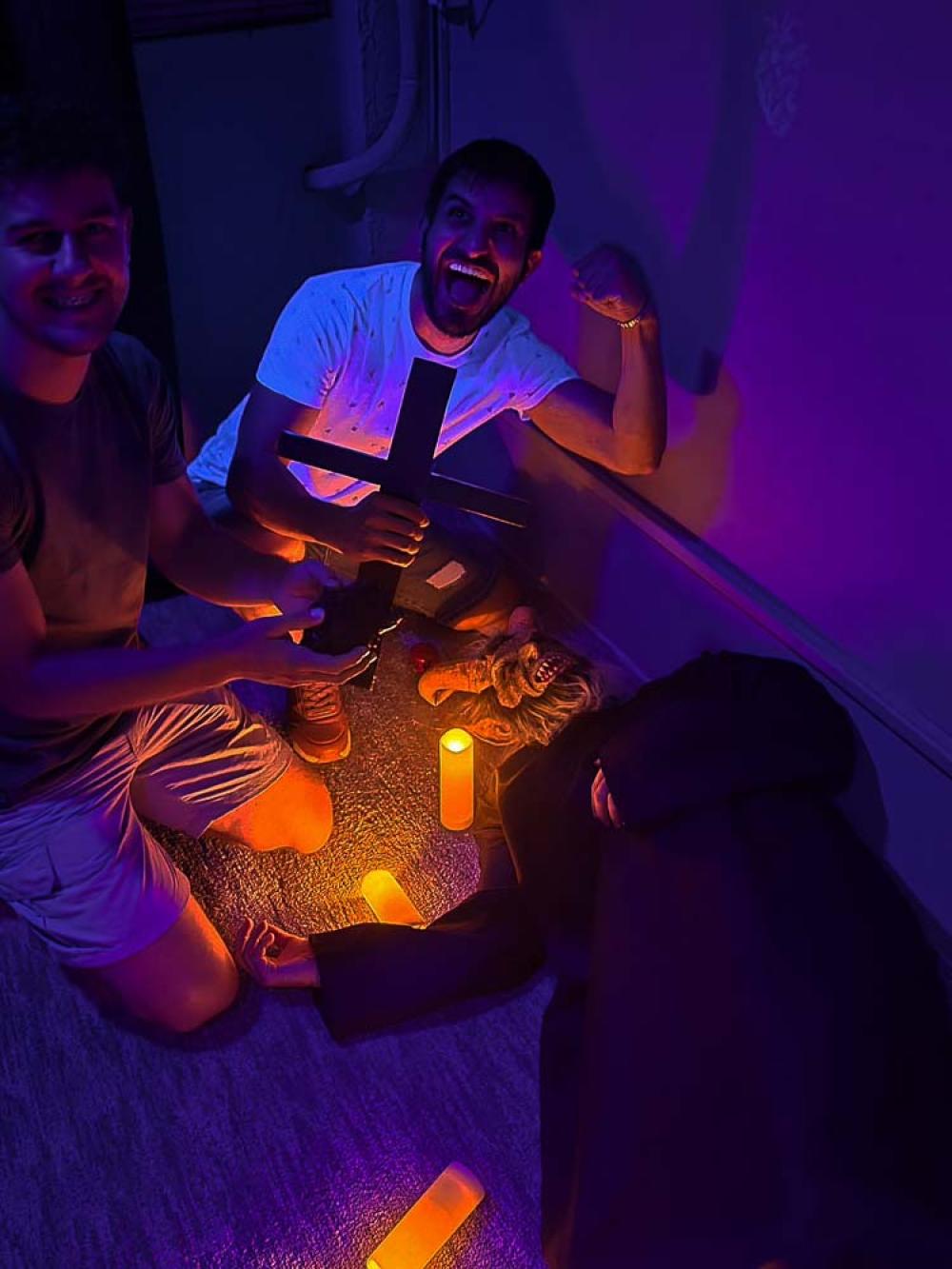
An escape room has another interesting quality: in less than an hour, it can reveal with surprising accuracy how people function together.
The person who takes the lead first is not necessarily the one who will save the team. In Kripteks’ experience, the teams that perform best are those that communicate, share what they have noticed and — perhaps most importantly — genuinely listen to one another. Sometimes it is the quietest member of the group who notices the detail everyone else has missed, while someone else manages to connect several seemingly unrelated clues.
The most time is lost when everyone starts solving their own version of the mystery. That is why, alongside logic and attention to detail, Kripteks perhaps tests teamwork most of all. The fastest teams are not necessarily those with the most experience; what matters more is that they do not spend too long clinging to an idea that does not work and that they do not keep information to themselves as though it, too, were part of the secret.
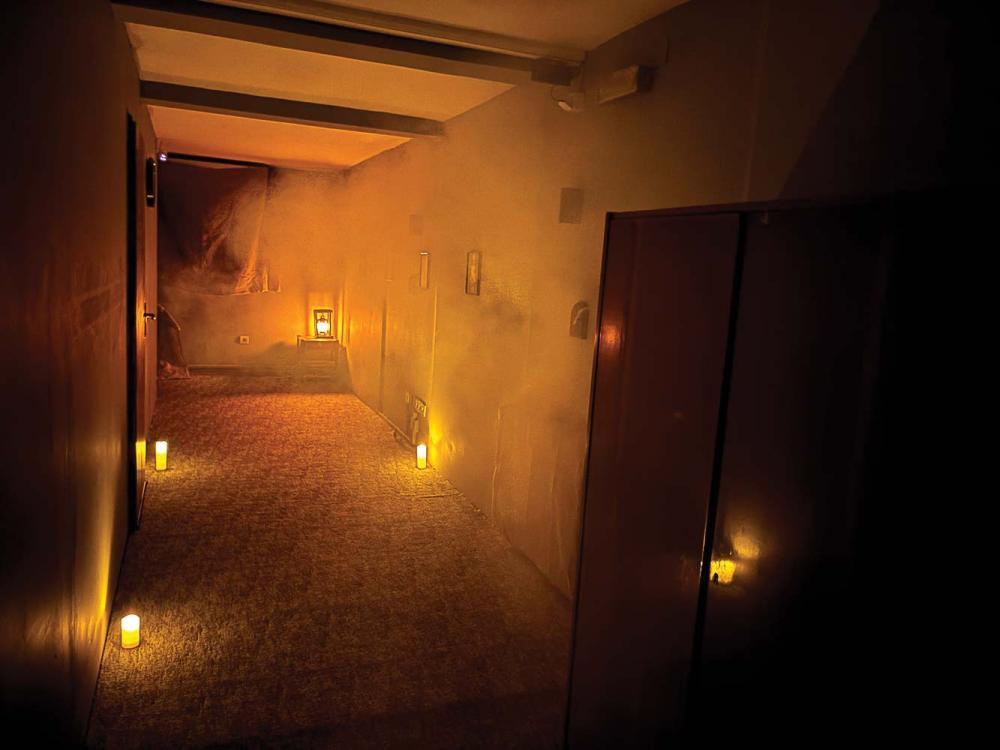
There is also an unusual business paradox at the heart of an escape room: you cannot show its best part.
Photographing key clues, explaining how a puzzle works or revealing a surprise would spoil the experience for future players. That is why Kripteks relies on perhaps the oldest form of marketing — a good story that people retell after leaving the room. When guests come out satisfied and immediately want to tell their friends “what happened”, while at the same time knowing they cannot reveal too much, the game effectively continues for a little longer.
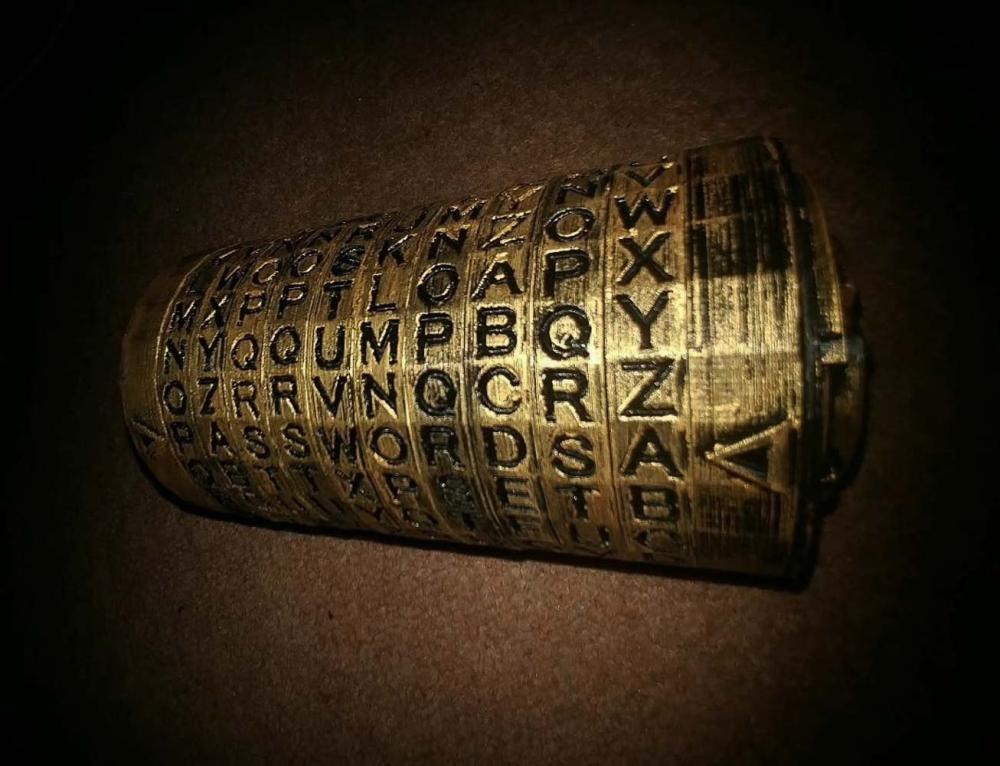
Even the name itself hides a clue. Kripteks takes its name from an object found inside the room — the cryptex lock, inspired by the device used to protect secrets and codes in Dan Brown’s novel “The Da Vinci Code”.
And what should you take with you when the door finally opens? The Kripteks team says: a memory, a story you will want to retell and the desire to share the experience with others.
For those already thinking that horror simply is not for them, they have a simple answer: the people who insist most loudly at the beginning that “there’s no way they’re going in” often come out with the best stories.
And one more clue, which may prove useful from the very beginning. “Only when the circle of the living is complete will the hidden passage open.” You may remember it when the clock starts ticking a little too seriously.