


Loyalty in hospitality is never accidental — it is built through emotion, details and a sense of belonging that goes far beyond the offer itself.
There are places we visit out of curiosity — and places we return to almost instinctively, without much thought. The difference is not always obvious at first glance. It is not necessarily connected to price, location or even the objective quality of the offer. Much more often, it is created through layers of experience that may not be immediately visible, but are deeply remembered.
It is precisely within this invisible dimension that loyalty is formed — as a combination of emotion, habit and a relationship that develops over time.
In modern hospitality, guest loyalty represents one of the most valuable — and most complex — assets. It cannot be forced or bought; it is carefully built through a consistent experience that is repeated and deepened over time.
The difference between a satisfied guest and a returning guest lies exactly in that additional layer — the feeling of recognition, belonging and continuity. While rational factors such as food quality or pricing may attract guests, what keeps them coming back is how they feel within that space.
Consumer psychology clearly shows that people make most of their decisions emotionally, only later justifying them with rational arguments. In hospitality, this means a guest will not necessarily choose the “best” place according to objective criteria, but the one where they feel most comfortable.
That feeling often comes from subtle, almost imperceptible details: the way they are welcomed, the tone of communication, the energy of the space or even the rhythm of the service. Together, these elements create an experience that transcends the offer itself.

One particularly interesting aspect of loyalty is the impact of micro-details, which often have a disproportionately large influence on the overall experience.
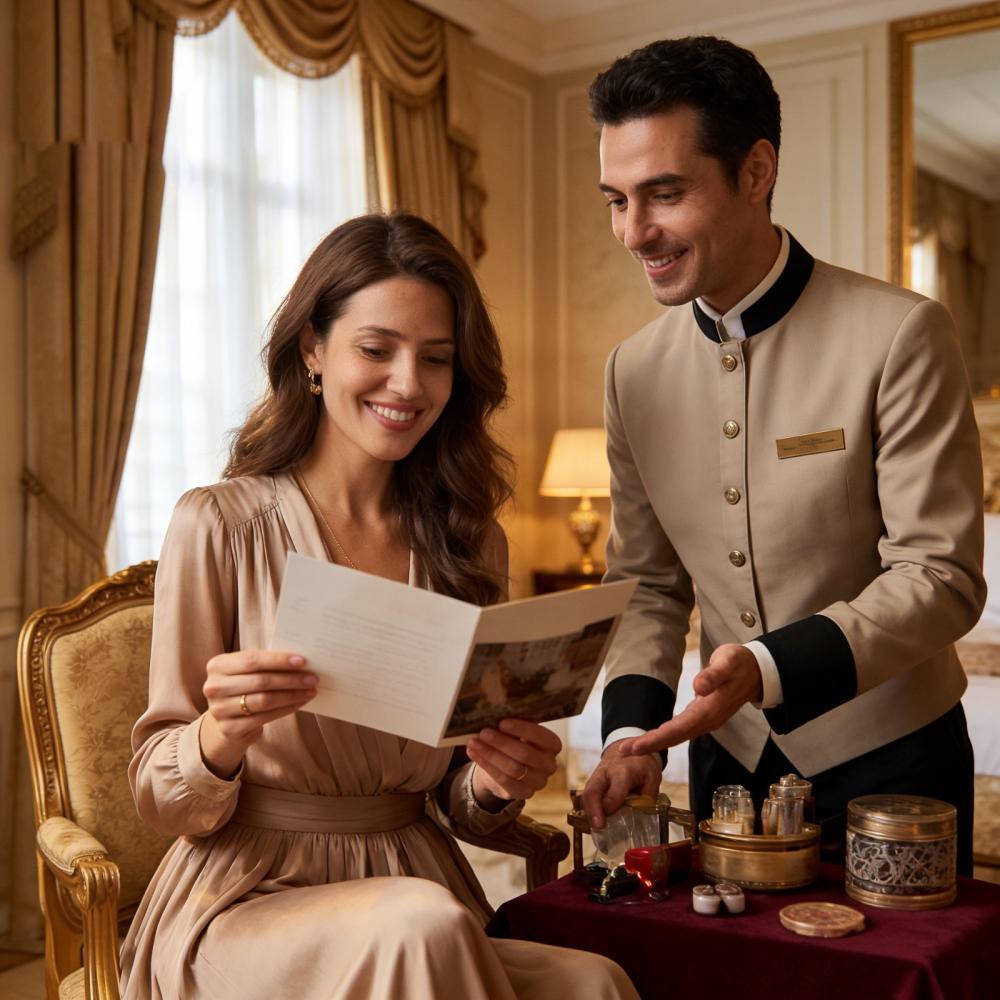
Remembering a guest’s name, habits or preferences is not only a sign of professionalism, but also a powerful expression of attention and respect. When a waiter knows how a guest takes their coffee or which wine they usually choose, it creates a level of personalization that is difficult to replicate elsewhere.
Such gestures activate a sense of importance and belonging, directly influencing a guest’s decision to return. What matters most is the fact that loyalty is not created through spectacular one-time moments, but through consistency. Consistency in service quality, atmosphere and guest relations creates trust — and trust is the foundation of every long-term relationship.
A guest who knows what to expect feels safer and more relaxed, which further strengthens their connection with the space. In this sense, even small mistakes can have a greater impact than they initially seem to, because they disrupt the very stability on which loyalty is built.
Routine also plays an important role in this process — not necessarily as something negative, but often as something emotionally valuable.
A regular morning coffee at the same café or an evening outing in a familiar setting becomes a small ritual that gives structure to everyday life. Such rituals satisfy not only the need for consumption, but also the need for continuity and familiarity. Hospitality venues that become part of these rituals establish a much deeper relationship with their guests, crossing the line between service and experience.
Behind every successful loyalty concept stand people. Regardless of the design or the quality of the offer, the human factor is often decisive in shaping long-term relationships. Authenticity in communication, the ability to recognize a guest’s mood and adapt accordingly, as well as genuine kindness, are elements that cannot easily be standardized — yet they are deeply felt.
A guest may forget interior details or the exact taste of a dish, but they will remember very clearly how they were treated.


Modern business often speaks about loyalty programs, points and discounts as tools for guest retention. While such mechanisms have their purpose, they rarely create genuine loyalty.
True loyalty is not based on material benefit, but on the emotional connection developed through experience. Guests do not return because of discounts, but because of the feeling they receive — the feeling of being welcome, recognized and connected to a place.
In this context, loyalty becomes one of the most valuable currencies in hospitality. A loyal guest not only returns, but often becomes an ambassador for the venue, sharing their experience through recommendations and personal stories. That type of promotion carries far greater value than any marketing campaign, because it comes from authentic experience.
In the end, the answer to why guests return lies somewhere between the visible and the invisible. Quality, offer and atmosphere create the foundation, but what truly makes the difference is the feeling that remains after the visit. It is that quiet yet powerful part of the experience that cannot always be clearly defined, but is unmistakably recognized.
Because guests do not return only for what they receive — but for the way they feel while they are there. And it is precisely in that emotion, in that sense of continuity and belonging, that the true science of loyalty resides.









.jpg)