

When a holiday comes to an end and the suitcases are unpacked, what remains the longest are the memories. Souvenirs preserve them—small objects that carry within them a part of the place we visited. Petar Pukić, owner of a souvenir shop in Stari Bar, who has spent years selecting and selling them to tourists, and Katarina Rabrenović, who hand-paints shells from the Montenegrin coast and transforms them into small works of art, speak about their value and the stories they carry.
A souvenir is much more than an object that ends up on a shelf or refrigerator. It reminds us of a place we visited, the scent of the sea, authentic flavours, local customs, and experiences that remain with us long after the journey is over. Today, the range stretches from magnets and postcards to handmade artistic objects, but what gives them their true value is the story they carry. While some people search for authentic keepsakes, others carefully create them so that numerous tourists can take a piece of Montenegro home with them.
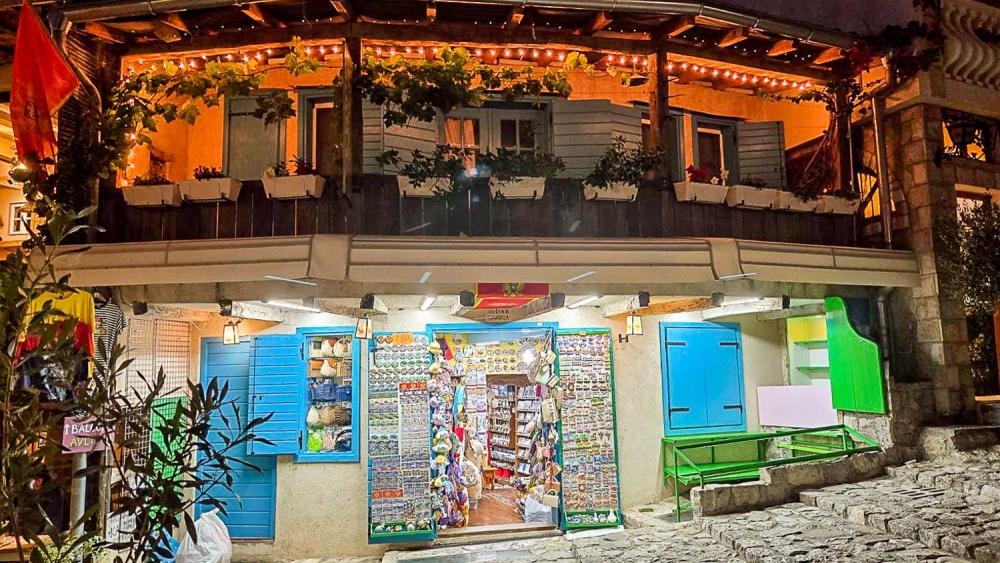
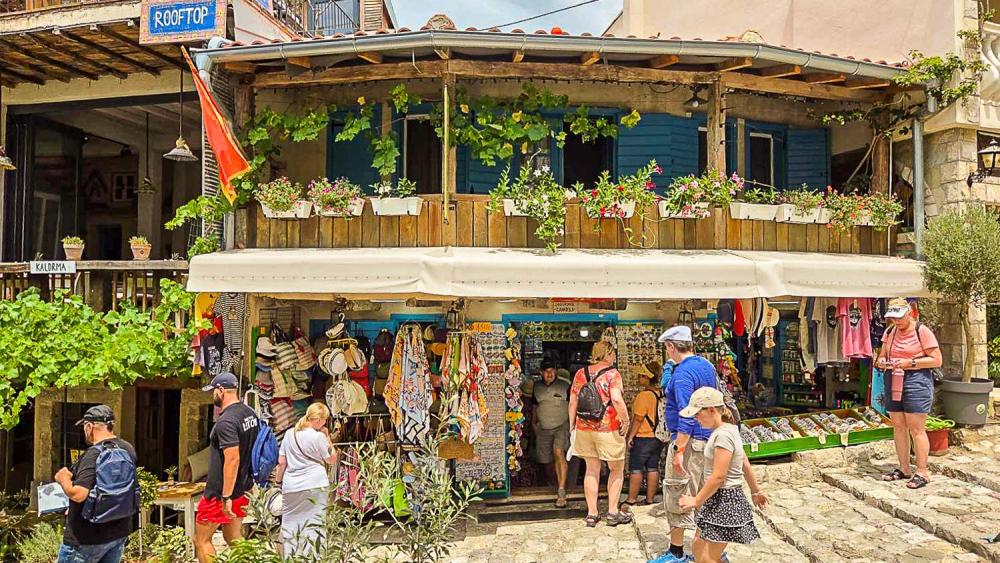
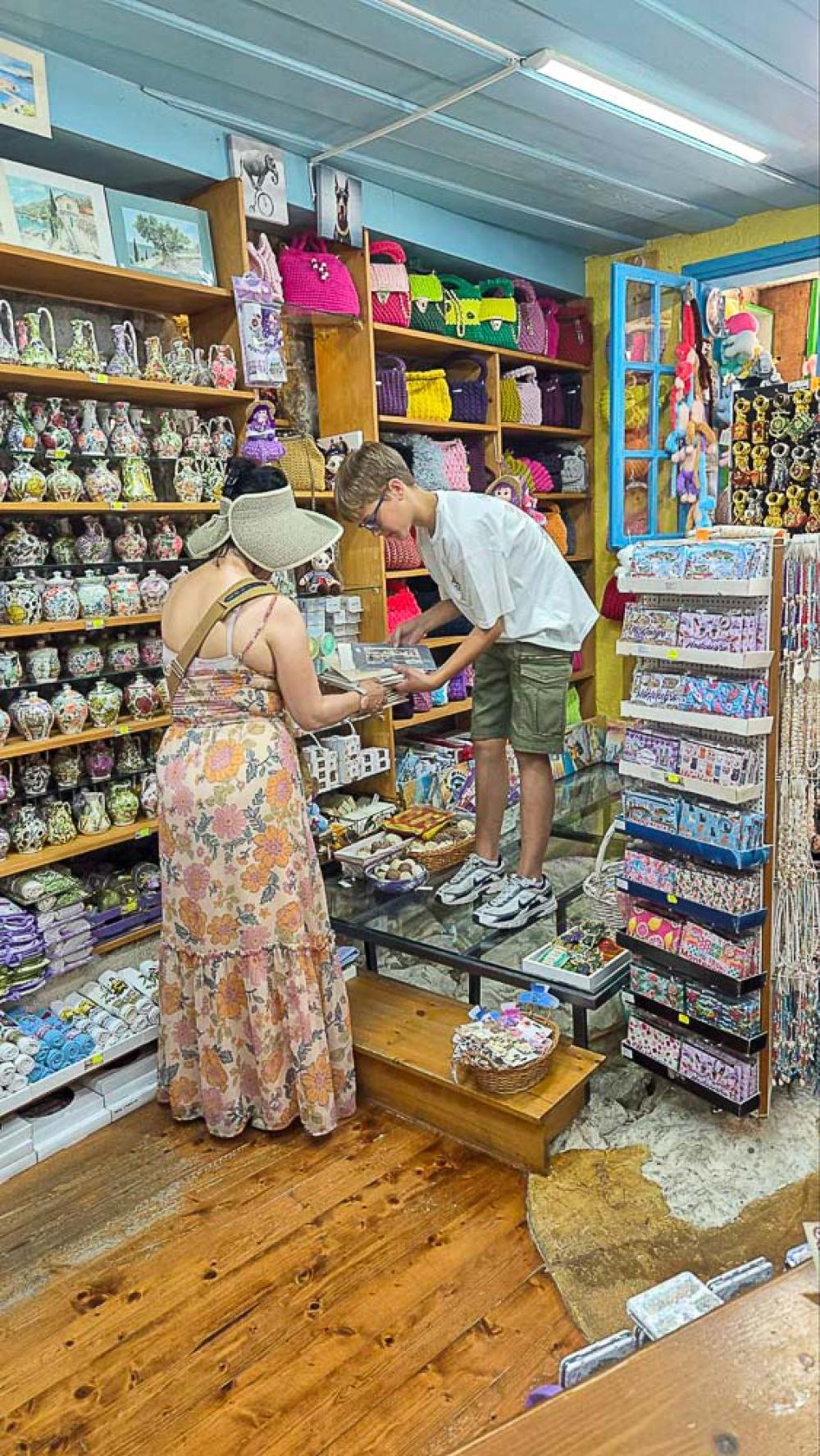
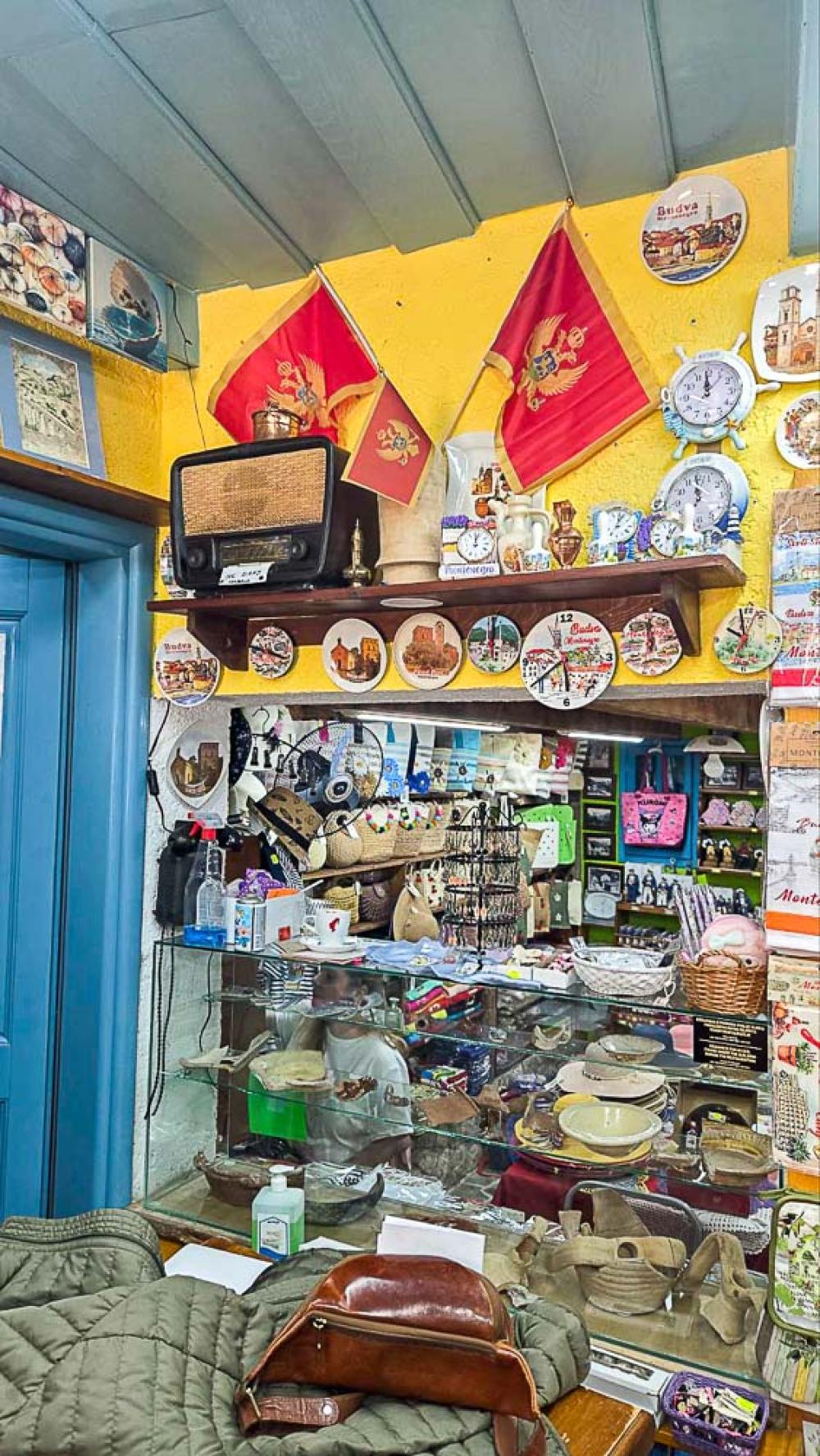
In the very heart of Stari Bar’s cobbled streets, among stone walls that have told the history of this town for centuries, stands the Gavadola souvenir shop. Opened in 2009, the shop was named after the defensive tower of the same name dating from the 15th and 16th centuries, which forms part of the walls of Stari Bar and stands opposite the shop. Behind it is a family business that has lasted for more than two decades. Petar Pukić has been selling souvenirs since 2002, when he and his wife included this activity as part of their family shop, before later devoting themselves entirely to the keepsakes tourists take away from Stari Bar.
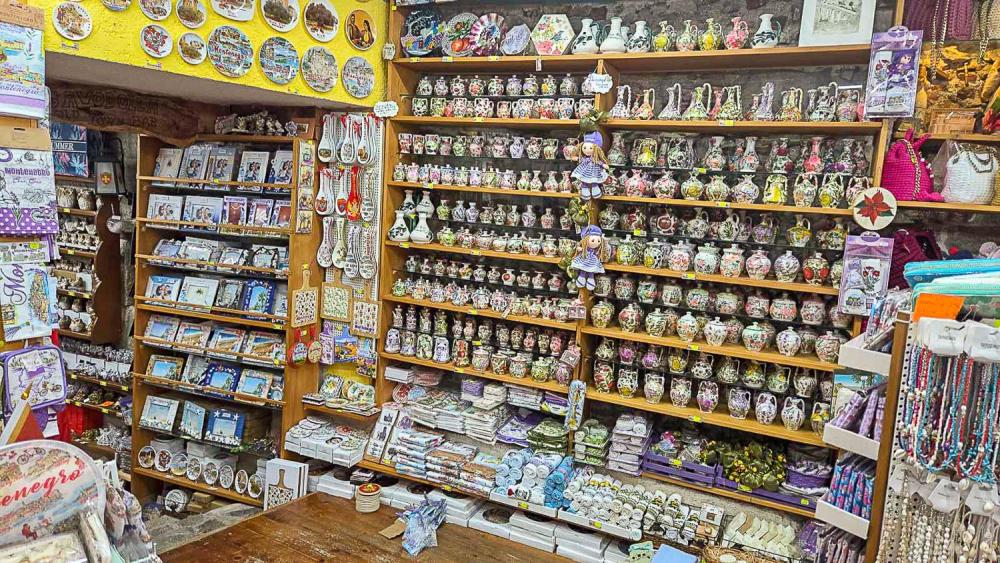
The shelves display magnets, mugs, vases, and many other items, while motifs of the Old Town, the Clock Tower, the aqueduct, and the Old Olive Tree attract the greatest interest. Most of the souvenirs are currently sourced from China according to their own ideas and designs, as well as from other suppliers producing similar items.
Although he says he would like the selection of local handicrafts to be richer, such products often come at a higher price, so tourists choose them less frequently because they are not sufficiently familiar with the story behind them.
“The greatest value of a souvenir is the memory it carries. It is an object that reminds you of the place you visited, a detail that caught your attention, or a beautiful moment during your journey,” Petar says.
Whether it is a simple magnet or a handmade object, Petar emphasises that the purpose is the same—to preserve a part of the journey and pass it on to someone who will take it home as a gift or keepsake.
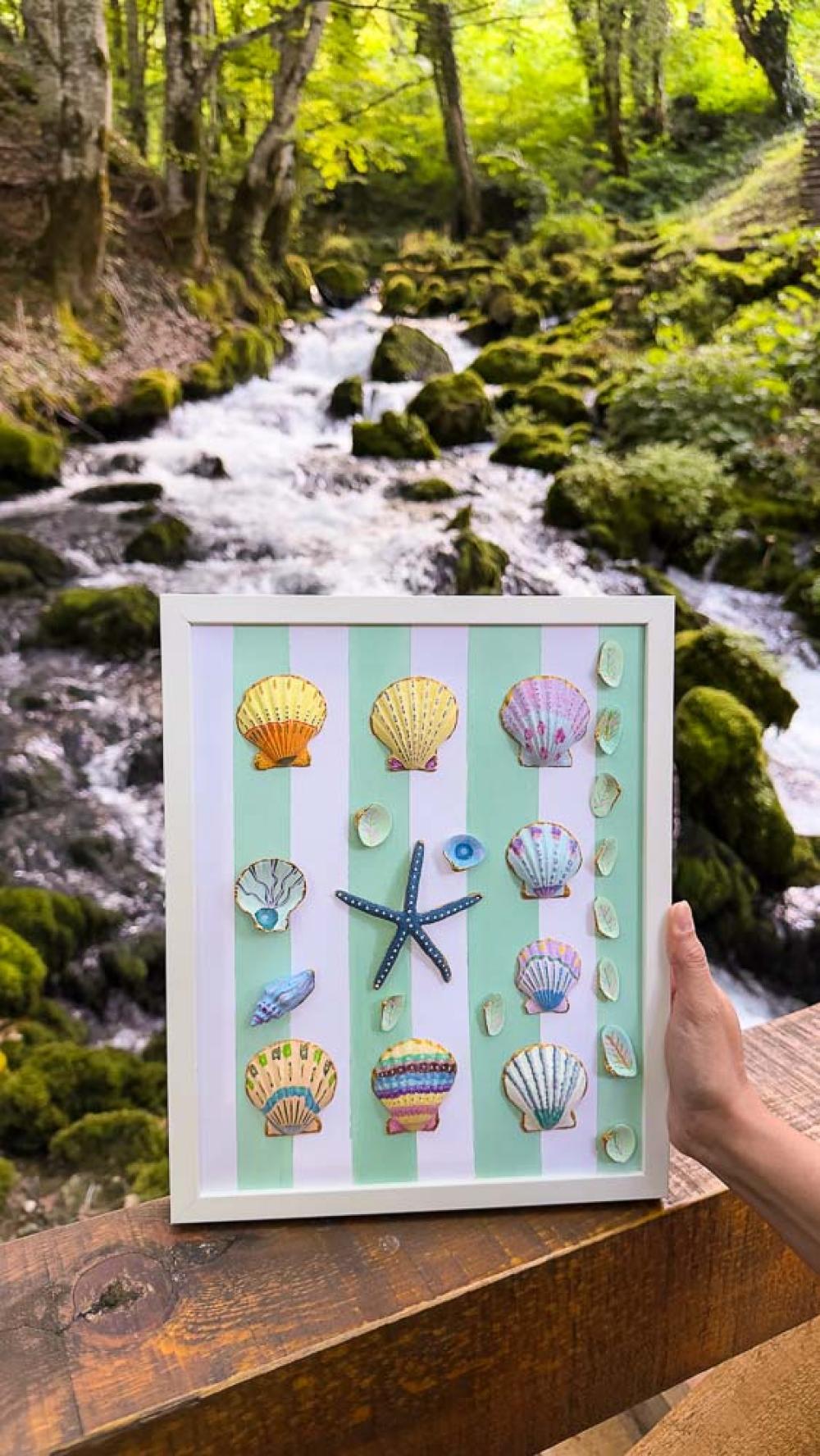
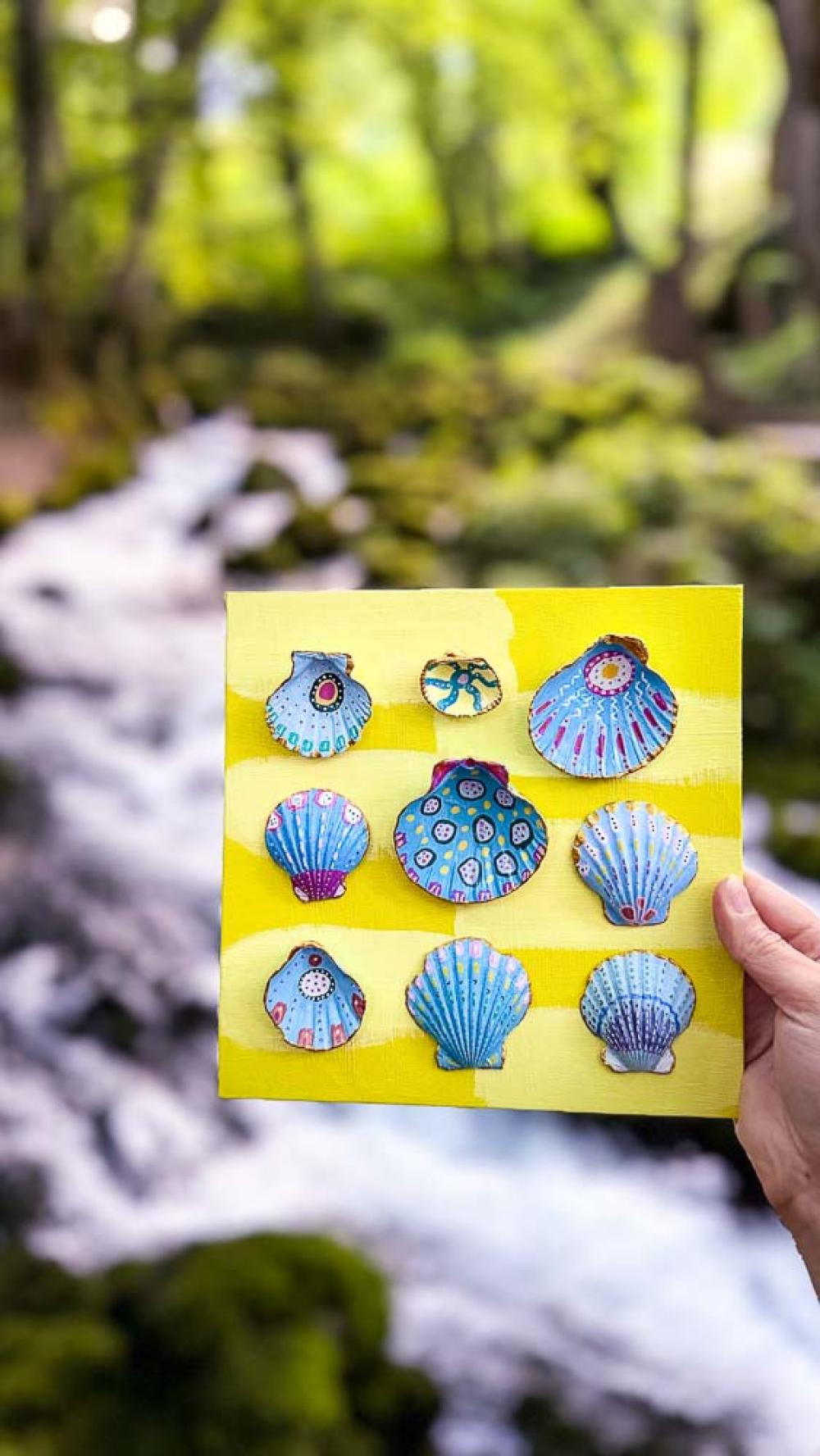
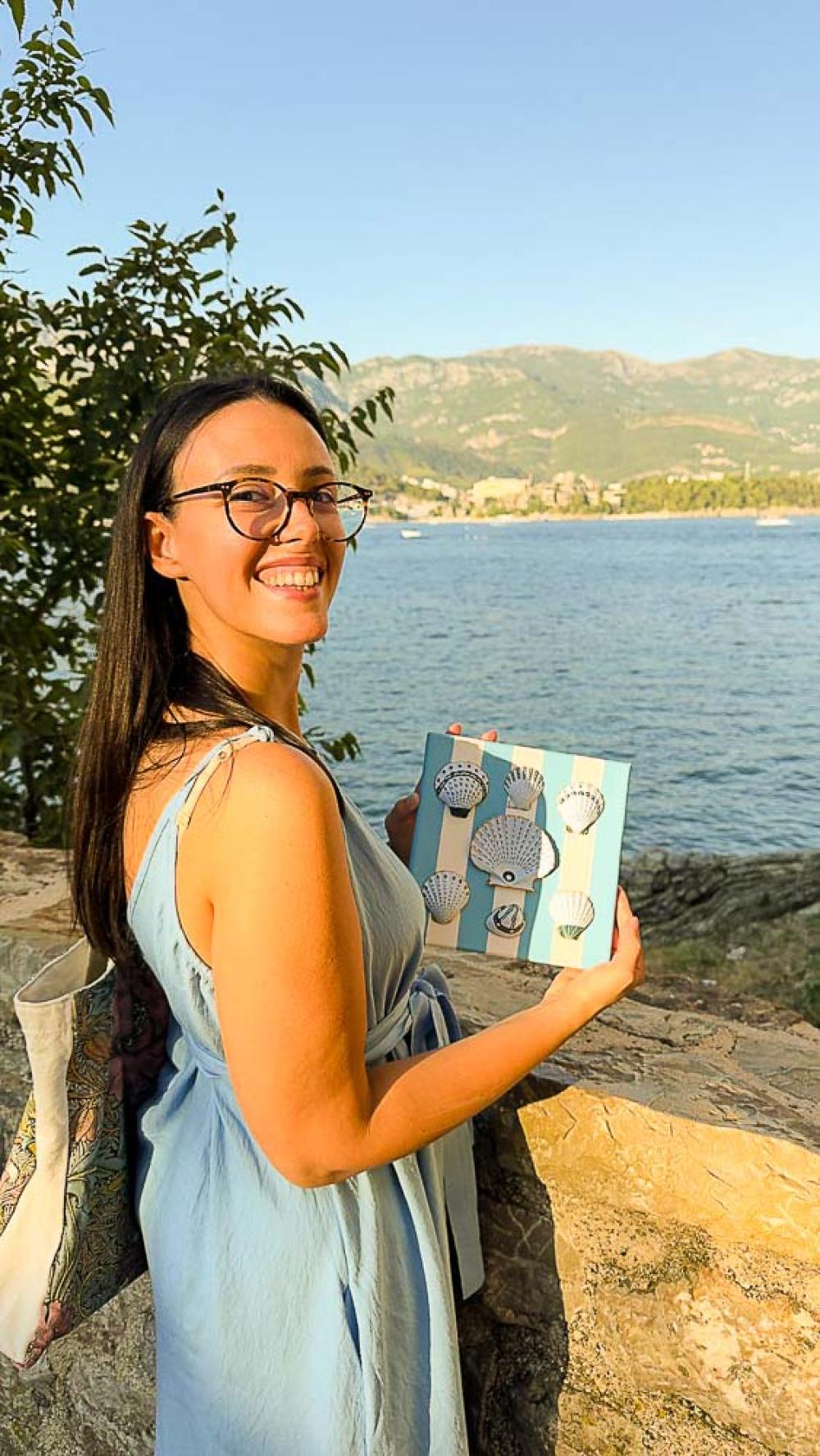
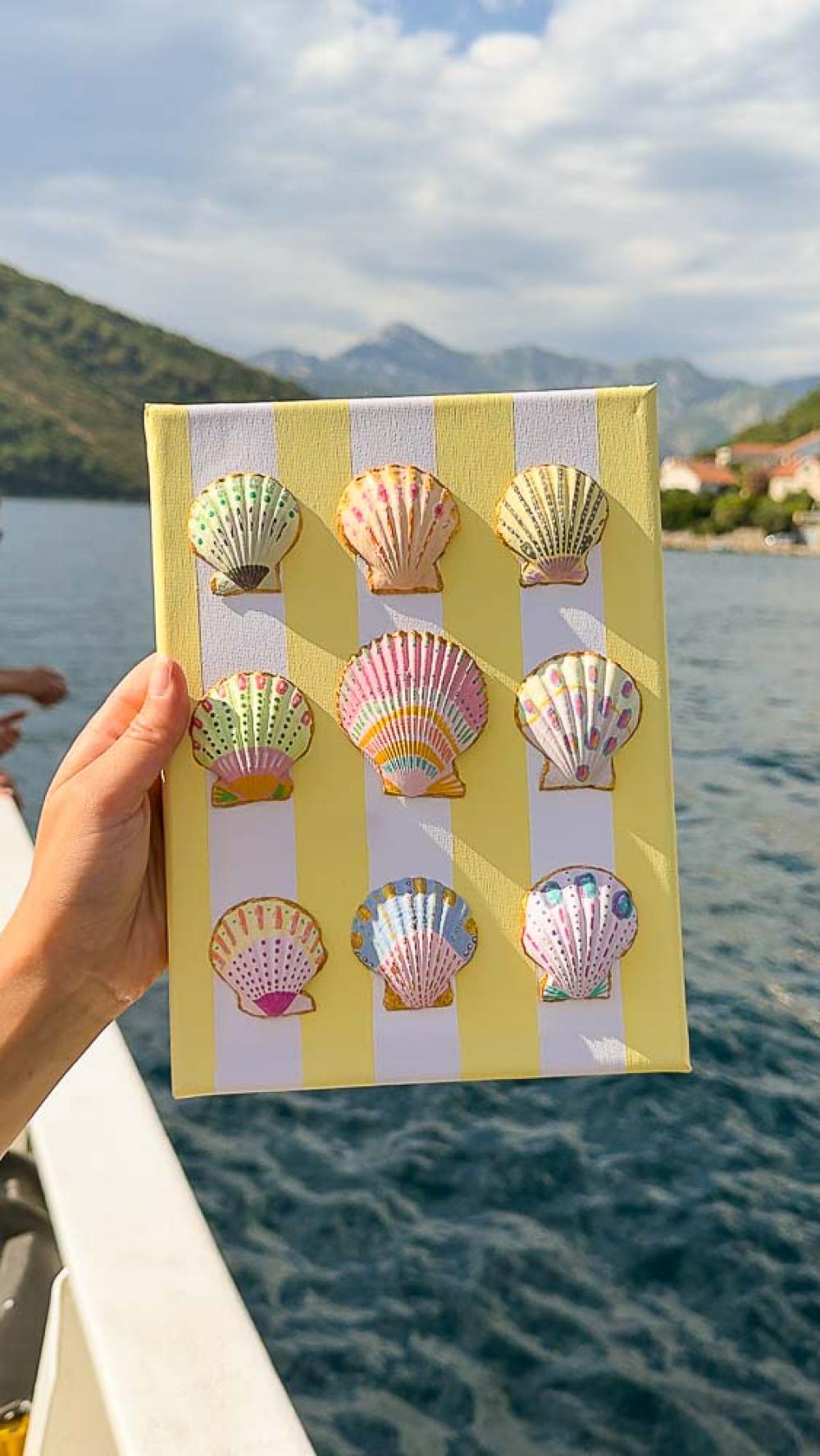
While some people carefully choose keepsakes for their shelves, others create them out of love for the sea. Katarina Rabrenović, the woman behind Shell Lover Studio, hand-paints shells, transforming what the sea leaves behind on the shore into small works of art. It all began quite spontaneously, from a childhood habit of taking a shell home from every beach she visited.
She first found inspiration on Velika Plaža in Ulcinj, but, as she says, the entire Montenegrin coast has left its mark on her work.
“What makes my pieces special is that I do not try to alter the shells. I leave them in their original form, with all the traces that marine life has left on them,” Katarina says.
Interestingly, her work has so far been purchased mainly by domestic tourists, although she had expected foreign visitors to show the greatest interest. For now, sales take place exclusively through social media, and she hopes her pieces will soon also be available in a souvenir shop in Bijela.
For Katarina, the value of a souvenir is not determined by its price, but by the emotion and story it carries. That is why she does not see her painted shells as conventional souvenirs, but as small works of art, each one distinctive and impossible to replicate.
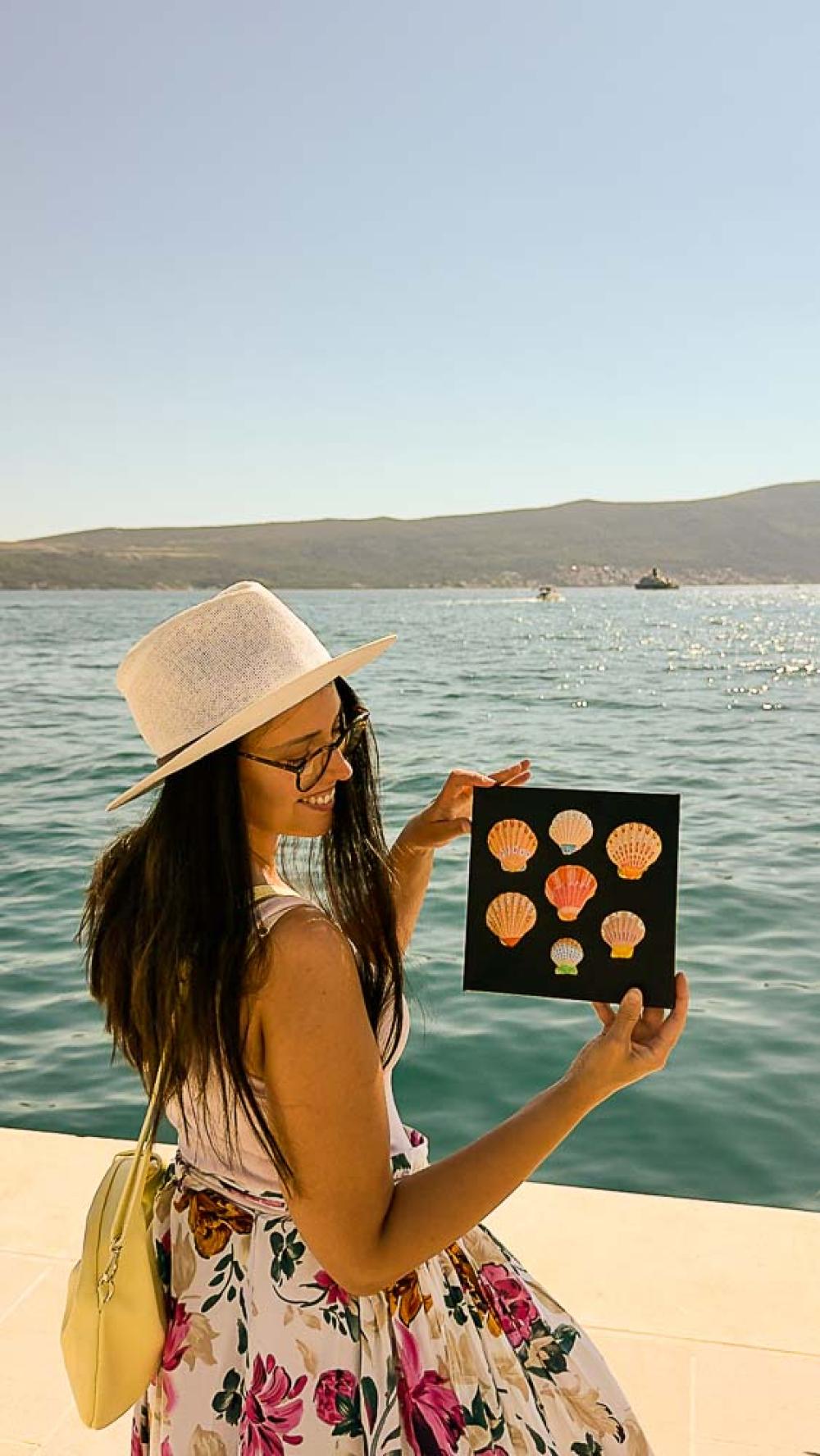
Although they present souvenirs to tourists in different ways—Katarina through handmade work and Petar through the carefully selected range in his shop—they share the belief that a souvenir is not simply an object bought in passing, but a keepsake that carries the story of a particular place. Whether it is a magnet featuring a motif of Stari Bar or a hand-painted shell found on the Montenegrin coast, they believe that each one preserves a part of the place it comes from.
At a time when tourists are increasingly searching for authentic keepsakes, handmade work, local motifs, and the stories of the people behind them give souvenirs a special value. In this way, they become lasting reminders of a place, an experience, and moments we wish to preserve.
The history of souvenirs stretches back thousands of years and follows the development of travel through different civilisations. In ancient Egypt, travellers brought home amulets and papyrus scrolls, while European aristocrats from the 17th to the 19th centuries carried works of art home as reminders of their journeys. With the development of mass tourism in the 20th century, souvenirs became accessible to everyone—from postcards and magnets to local handicrafts and traditional products. Today, authentic handmade objects representing the culture, tradition, and identity of a place are particularly valued.






.jpg)