

It is no coincidence that Tivat hosted the European Union–Western Balkans Summit. Nor is it a coincidence that Hyatt Regency Kotor Bay Resort will host the World Travel Awards Europe Gala Ceremony, a prestigious event bringing together leading figures from the European and global tourism industry. At first glance, these are events from different fields and, some might say, of different levels of importance—one gathering Europe’s and the region’s political leaders, the other bringing together the most influential people in the global tourism industry. Yet they share the same message: international trust.
At a time when countries and destinations compete globally for investments, talent, tourists, international events, and political influence, the selection of a venue for major gatherings has become much more than a logistical decision. It represents confirmation of credibility, institutional maturity, security, infrastructure, and the ability to meet the highest international standards.
When European and regional leaders come to Montenegro to discuss the future of the Western Balkans and its European perspective, while the most influential representatives of the global tourism industry choose Montenegro to host one of their most significant annual events, it is not only the host cities that are being promoted. The entire country is being promoted.
Such events carry far greater significance than a few days of protocol, meetings, and media attention. They become instruments of international promotion, proof of trust, and strong indicators of a country’s position on the European and global stage.
Hosting the European Union–Western Balkans Summit represented much more than an organizational challenge. It was a gathering where the future of the region’s European integration, enlargement policy, and the next steps of candidate countries toward full EU membership were discussed.
For Montenegro, which has entered the final phase of negotiations with the European Union and leads among Western Balkan candidate countries, hosting such a summit carried particular weight. At a time when the European Union is increasingly discussing a new wave of enlargement, Montenegro became the meeting point for discussions on the region’s European future.
Montenegro’s selection as host was not merely recognition of its organizational capabilities. It was also a strong signal of confidence from European partners in a country that has spent years building its European agenda and now has a realistic opportunity to become the next member of the European Union.
Hosting such an event goes beyond protocol and diplomacy. It confirms that Montenegro is increasingly viewed as a future member of the European family of nations—a partner capable of contributing to stability, cooperation, and shared European values.
In this sense, the summit in Tivat was not only an important international gathering but also a symbolic confirmation of the place Montenegro is steadily securing on Europe’s political map. In international relations, trust remains one of the most valuable currencies.
Major international events are never awarded by chance. Behind every decision lies a detailed assessment of organizational capacities, security standards, institutional coordination, infrastructure, and overall international credibility.
The confidence of international partners is reflected not only in political statements. It is confirmed through concrete choices—the choice of destination, the choice of host, and the willingness to organize the most important meetings right here.
The modern world no longer distinguishes between countries that are merely tourist destinations and those that serve as international event hubs. The most successful nations today manage to combine both roles. Montenegro is currently undergoing exactly such a transformation. Its natural beauty and attractiveness are no longer the sole reasons it draws international attention. Increasingly important factors include infrastructure, quality hospitality offerings, security, organizational capacity, and the ability to host events that gather decision-makers from politics, business, and tourism.
That is precisely why international events have become an important component of the country’s overall national brand.
A nation’s reputation is not built overnight. It is the result of long-term investments, thoughtful development, and the creation of an environment that inspires confidence.
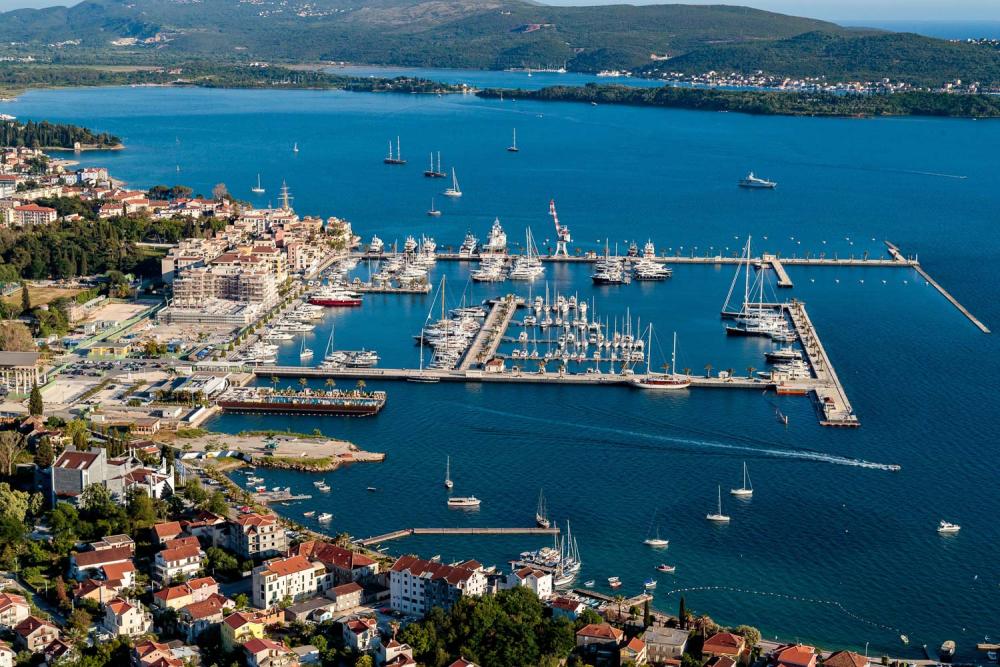
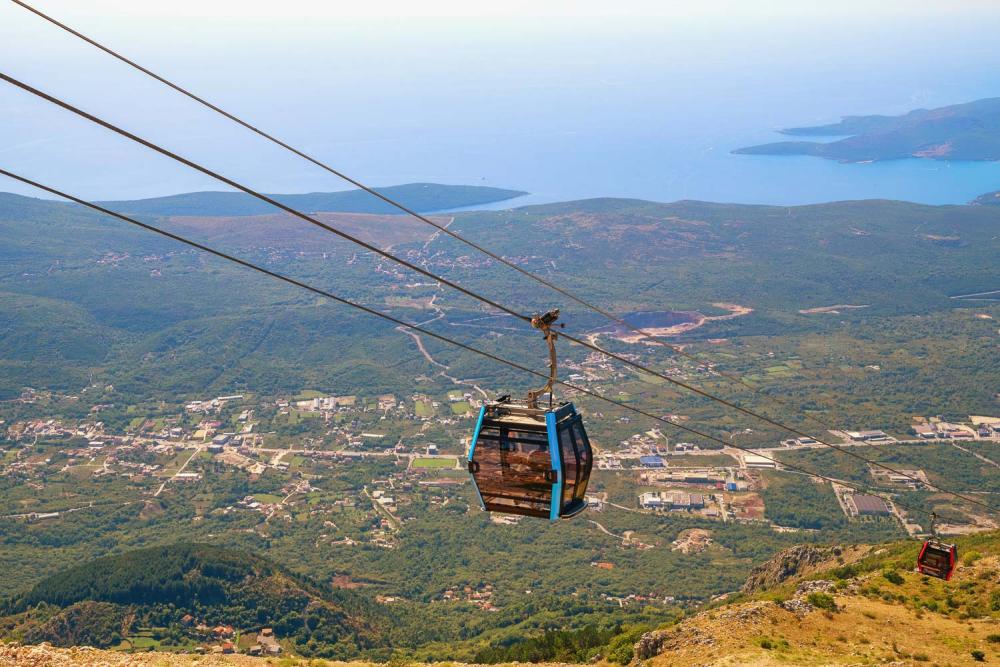
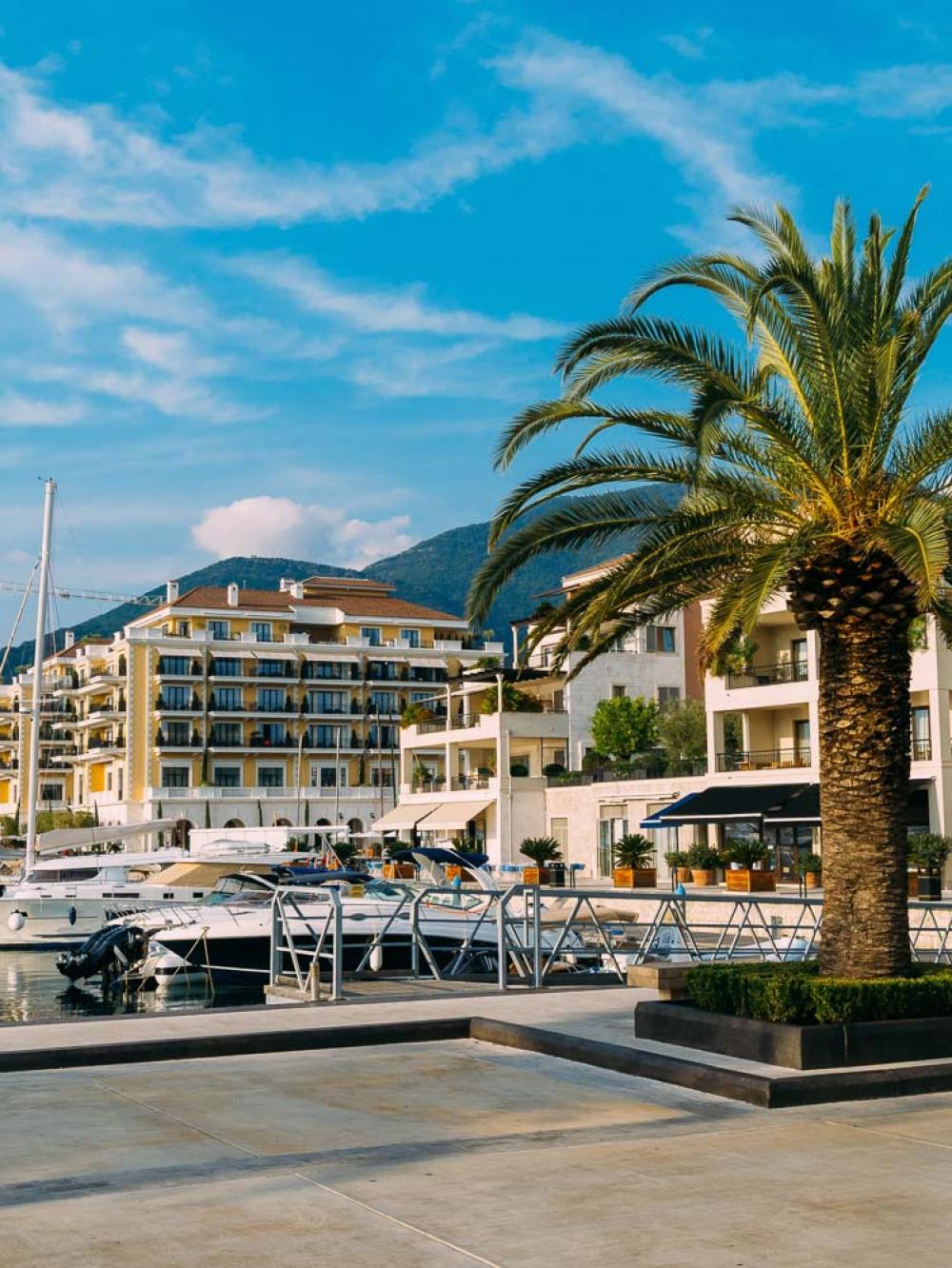
Looking at the venues themselves—from Porto Montenegro as a symbol of successful investment-driven transformation, to the Kotor–Lovćen Cable Car that uniquely connects the coast and the hinterland, and to Hyatt Regency Kotor Bay Resort as the host of the World Travel Awards Europe Gala Ceremony—Montenegro today demonstrates how strategic investments create the conditions for stronger international positioning.
These projects are significant not only because of their economic value. They send a message of quality, development vision, and the ability to create facilities and experiences that meet the highest international standards.
Such achievements contribute to the image of Montenegro as a country capable of recognizing its potential and transforming it into a competitive advantage.
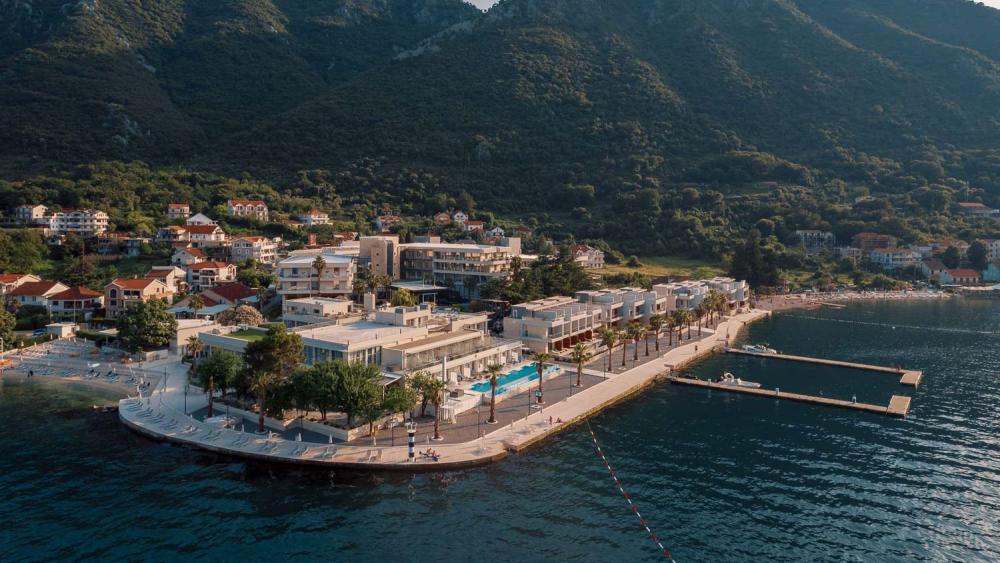
Particular importance is added to this year’s international promotion by the fact that Hyatt Regency Kotor Bay Resort will host the World Travel Awards Europe Gala Ceremony.
For more than three decades, this event has represented one of the most prestigious recognitions in the global tourism industry, bringing together leading hotel groups, tourism organizations, airlines, luxury travel brands, investors, and specialized international media.
Often referred to as the tourism equivalent of the Oscars, the World Travel Awards are much more than an awards ceremony. They are a gathering place for the people shaping the future of international tourism and making decisions on investments, partnerships, and emerging markets.
The fact that the European Gala Ceremony will be held in Montenegro carries particular symbolism. It places our country among the prestigious destinations that have hosted one of the most influential events in the global tourism industry.
This is an opportunity to present not only Montenegro’s tourism offer but also its overall development potential to leading figures from tourism, hospitality, aviation, and investment sectors.
International recognition today is impossible without strong connectivity to key markets.
In this context, the progress Montenegro has achieved in air transport is particularly significant. This year’s tourism season has brought the largest expansion of direct flight routes in recent years, with dozens of new connections and more than one million additional airline seats to European markets. As a result, Montenegro has become more accessible than ever before—not only to tourists, but also to businesspeople, investors, and participants in international events. The modern economy is built on the mobility of people, ideas, and capital. Accessibility therefore becomes one of the key factors of competitiveness for any country seeking to be an active participant in European and global developments.
The greatest value of major international events is not measured by the number of participants, media reports, or the number of days they last. Their true value lies in the reputation they build.
Today, reputation represents one of the most important development resources of any country. It influences investment decisions, tourism choices, international partnerships, and the overall perception of a nation.
The European Union–Western Balkans Summit and the World Travel Awards Europe Gala Ceremony serve different purposes: one gathers political decision-makers, the other leaders of the global tourism industry.
Together, however, they testify to Montenegro’s growing international reputation.
These are not merely important events on this year’s calendar. They confirm that Montenegro possesses the capacities, infrastructure, and international credibility required to host Europe’s and the world’s most significant gatherings.
The message conveyed by these events goes beyond politics and tourism. It is a message about a country that is steadily securing its place within the European space, a country that understands the importance of international trust and knows how to transform it into a development opportunity. Because the trust Montenegro receives today is not granted by chance—it is earned.
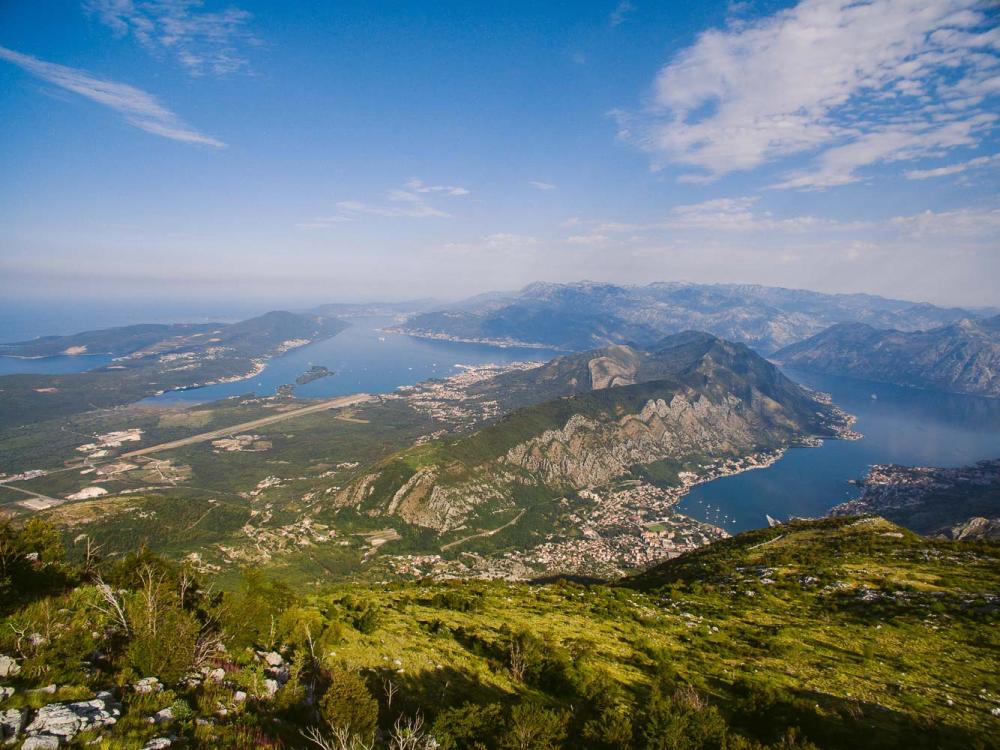
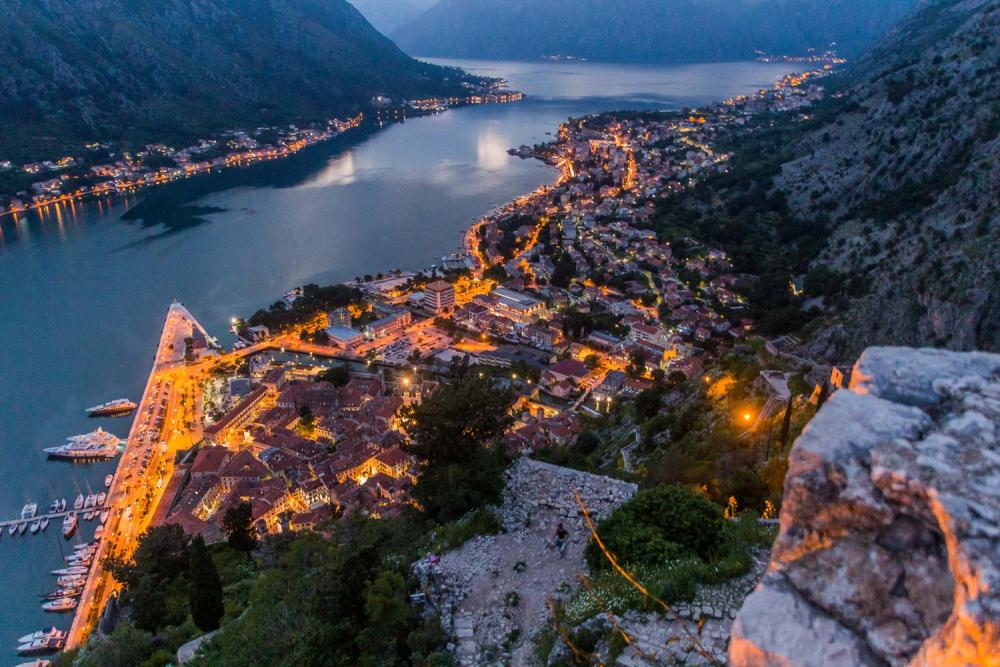
The successes achieved today by Tivat, Kotor, and Montenegro’s coast are the result of years of investment, infrastructure development, and the creation of capacities capable of meeting the demands of major international events.
That is why it is no surprise that prestigious gatherings and international events are increasingly being organized at locations offering world-class hospitality, transport, and logistical conditions.
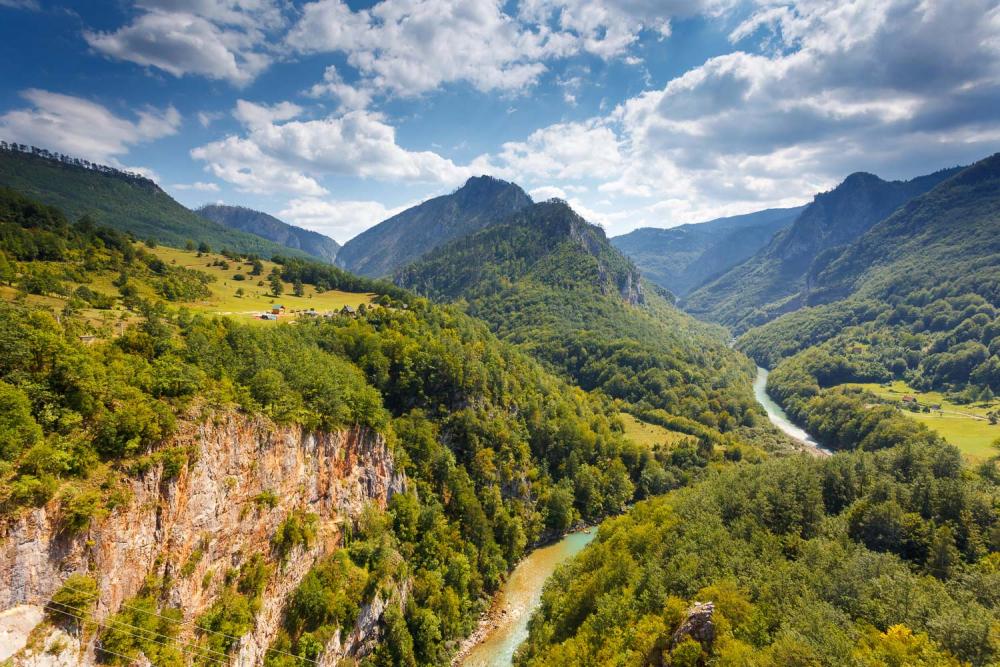
At the same time, looking toward the future opens the door to considering the potential of northern Montenegro. Although it does not yet possess the same infrastructure as the country’s most developed areas, the north holds something increasingly valuable in the modern tourism market: untouched nature, authenticity, vast landscapes, and unique experiences that are difficult to find elsewhere in Europe.
Mountain ranges, national parks, rivers, lakes, and rich cultural heritage represent resources whose full potential has yet to be realized. It is therefore not difficult to imagine that northern Montenegro could, in the years ahead, become the host of events that reveal another remarkable face of Montenegro to the international public—one just as attractive and authentic as its coast.
The potential exists, and the experience gained through successfully organizing major international events demonstrates that Montenegro knows how to turn such opportunities into development stories. Perhaps one of the next great chapters of Montenegro’s development and international affirmation lies precisely in the north of the country.




.jpg)