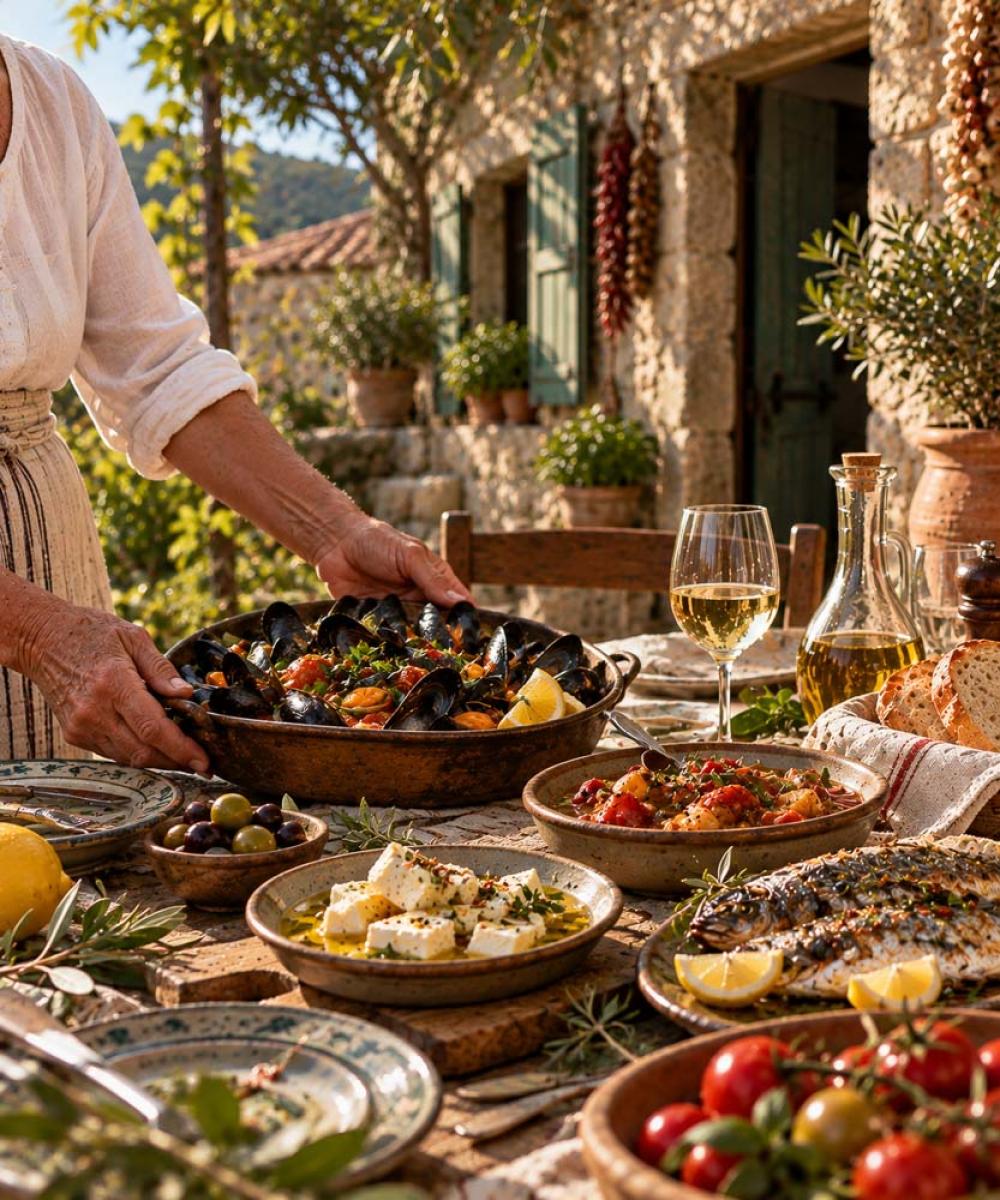
Almost everything has been written about Montenegrin tourism. We have counted visitors, overnight stays, hotels, flight connections, successful seasons and those that were less so. We have analysed figures, listened to promises, asked questions and searched for answers. And somehow, we have always found ourselves back where we started. Perhaps it is time, if only for a moment, to stop talking about what we lack and look at what we already have. And perhaps we do not need to begin by spending millions on a new promotional campaign. Let us start with one simple question. What remains when we take tourism statistics, grand plans, slogans and the same photographs repeated year after year out of the story of Montenegro? Close your eyes for a moment. Imagine Montenegro as you see it. What comes to mind? What do you see? The sea and the mountains, of course. But so much more besides. What moments do we imagine and long for when we are tired and need a change of scenery… a change of everything? A morning in the Bay of Kotor, peaceful and quiet… lunch beneath a grapevine, homemade cheese, olives, a glass of wine… The images follow one another. Durmitor, Lake Biograd, the ancient olive groves of Bar, an Ulcinj sunset on Ada Bojana… vineyards around Lake Skadar… a village where everyone still knows who makes the best skorup, who distils the finest rakija…
Imagine a country where, in just a few hours, you can change the landscape, the climate, the cuisine and your mood. But we do not have to imagine it. We live in such a country. How many countries can offer all that within such a small area?
Now imagine if this became our most important tourism story. Not simply Montenegro as a holiday destination, but Montenegro as a way of life. As modern travellers increasingly seek authentic experiences, local gastronomy, nature and a slower pace of travel, we already possess so much of what they are searching for. We have food whose story does not begin in a professional kitchen, but on a farm, in a garden, at a mountain shepherd's settlement, in recipes passed down through generations. We have a tradition in which a meal is not simply a necessity, but a reason for people to come together. We have places where breakfast is not measured in minutes, where lunch does not end with dessert, but with another story. And we have something that no marketing campaign can manufacture if it is not already there – the feeling that you are genuinely welcome somewhere.
What if that is precisely our greatest advantage? A sense of place.
The taste of priganice, served while they are still hot. The aroma of lamb slowly cooked beneath a sač. Cheese whose flavour changes with the pastures and the seasons. Freshly caught fish, grilled over an open flame, brought in from the sea that very morning. Of course, beautiful landscapes and good homemade food are not enough. We need quality, expertise, good service, modern hotels, reliable infrastructure and people who understand what today's guests expect. But all of that must also have something distinctly our own. We do not have to give up luxury to preserve authenticity. Quite the opposite.
Perhaps the greatest luxury is precisely the opportunity for a guest to experience something they cannot find anywhere else – to be welcomed and looked after with pride and genuine human warmth, with a sense of dignity and boundless hospitality. Perhaps all we need is to learn how to tell our own story better. Montenegro does not have to become something else to be more appealing to the world.
When you visit one of our hosts, there is no such thing as “just dropping by for five minutes”. Even a visit “just for coffee” turns into a conversation that does not end simply because someone has glanced at their watch. First, they will ask whether you are hungry. Then, regardless of your answer, something will appear on the table. And if you say you cannot eat another bite, your host will most likely take that as a sign that you should be offered just a little more. Perhaps this does not follow the rules of modern hospitality management, but it certainly follows our own unwritten code of hospitality. Before you leave, your host will explain why you absolutely must visit the neighbour as well. These are not merely gastronomic details. This is identity.